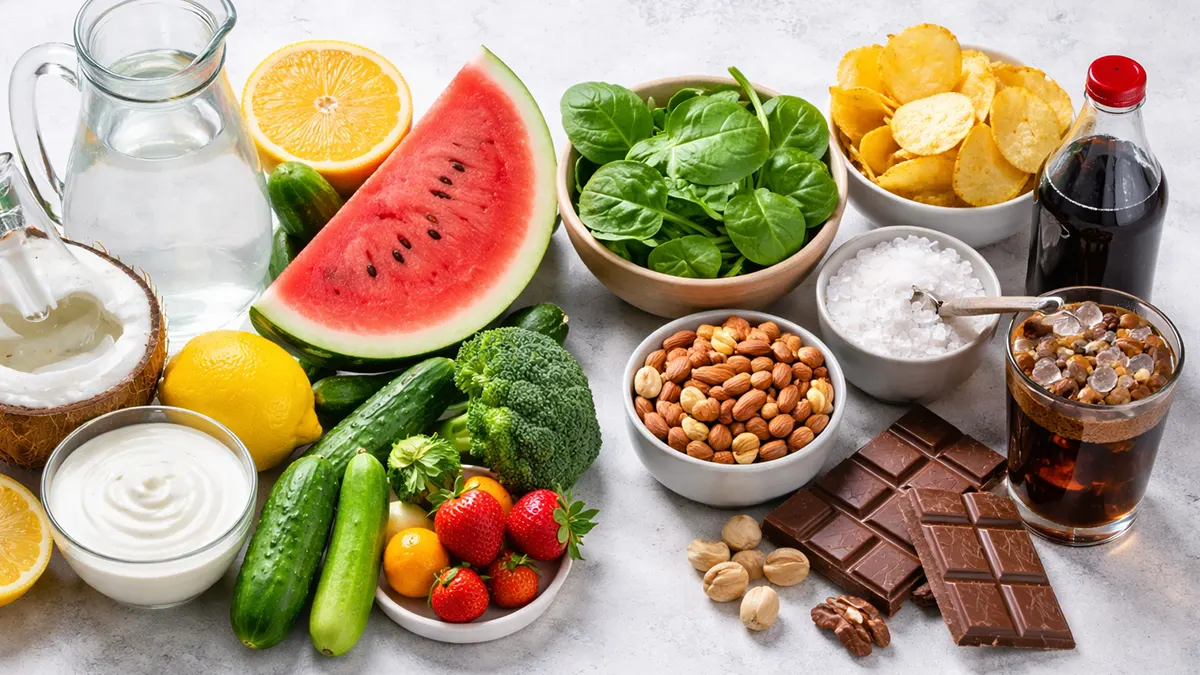
Kidney stones affect millions of people in the United States every year, and diet plays a major role in both prevention and recurrence. The best diet for kidney stones focuses on proper hydration, balanced calcium intake, and limiting high-oxalate foods, excess sodium, and sugary beverages. Many people don’t realize that everyday eating habits can directly influence kidney stone formation.
In the U.S., factors like high-sodium processed foods, low water intake, and high-protein diets increase the risk. Choosing the best foods for kidney stone prevention and avoiding trigger foods can significantly reduce your chances of developing painful stones.
Table of Contents
What Are Kidney Stones?
Kidney stones are hard mineral deposits formed in the kidneys when substances like calcium, oxalate, and uric acid become highly concentrated in urine.
Common types of kidney stones include:
- Calcium oxalate stones (most common)
- Calcium phosphate stones
- Uric acid stones
- Struvite stones
- Cystine stones
Diet plays a major role in both formation and prevention of kidney stones.
Kidney stones often develop silently before causing severe pain. Understanding the early kidney stone symptoms such as back pain, nausea, and blood in urine can help in early diagnosis and treatment.
Doctors often recommend the best diet for kidney stones as a key part of prevention and treatment. By choosing the right foods and avoiding dietary triggers, many people can reduce the chances of developing kidney stones in the future.
🥗 What is the DASH Diet for Kidney Stones? (USA Gold Standard)
In the United States, the DASH diet for kidney stones is considered a gold standard approach for prevention. Originally designed to control blood pressure, the DASH diet (Dietary Approaches to Stop Hypertension) also plays a major role in reducing kidney stone risk.
🧠 How DASH Diet Helps Kidney Stones
The connection between hypertension and kidney stones is well established. High sodium levels can increase calcium in urine, which leads to stone formation. The DASH diet helps by:
✔ Reducing sodium intake
✔ Increasing potassium-rich foods
✔ Improving hydration balance
✔ Lowering calcium buildup in urine
👉 This makes it highly effective for preventing kidney stone recurrence.
✔ What to Eat in DASH Diet
- Fresh fruits (bananas, apples, oranges)
- Vegetables (broccoli, carrots, cucumbers)
- Low-fat dairy (milk, yogurt)
- Whole grains (brown rice, oats)
- Nuts and legumes (in moderation)
❌ What to Limit
- Processed and packaged foods (high sodium)
- Sugary drinks and sodas
- Excess red meat
- High-salt snacks
⭐ Why DASH Diet is Recommended in the USA
Studies show that people following the DASH diet for kidney stones have a lower risk of stone formation compared to those consuming high-sodium Western diets.
👉 It’s not just a diet — it’s a long-term lifestyle for kidney health.
If you’re wondering how stones develop over time, exploring the kidney stone formation process steps can give you a clear understanding and help you take preventive action early.
Best Diet for Kidney Stones: Foods to Eat
1. Drink Plenty of Water
Staying hydrated is the most effective way to prevent kidney stones.
Benefits:
- Dilutes minerals in urine
- Prevents crystal formation
- Helps flush small stones out of the urinary tract
Recommended intake:
- 2.5 – 3 liters of water per day
You can also include:
- Coconut water
- Lemon water
- Herbal teas
Lemon juice contains citrate, which helps prevent stone formation.
2. Calcium-Rich Foods
Many people think they should avoid calcium, but adequate dietary calcium actually reduces kidney stone risk.
Healthy calcium sources include:
- Milk
- Yogurt
- Cheese
- Paneer
- Almond milk
- Tofu
Calcium binds with oxalate in the intestines and prevents stone formation.
3. Fruits That Help Prevent Kidney Stones
Several fruits support kidney health and reduce stone formation.
Recommended fruits:
- Oranges
- Lemons
- Watermelon
- Papaya
- Apples
- Bananas
Citrus fruits are particularly beneficial because they increase urinary citrate levels, which prevents stone formation.
4. Vegetables Low in Oxalate
Vegetables are important for overall health but some contain high oxalate.
Low-oxalate vegetables include:
- Cabbage
- Cauliflower
- Cucumbers
- Bottle gourd
- Pumpkin
- Mushrooms
These vegetables support kidney function while minimizing stone risk.
5. Whole Grains
Whole grains provide fiber and nutrients that support kidney health.
Healthy options include:
- Brown rice
- Oats
- Whole wheat bread
- Barley
- Quinoa
These foods improve digestion and help regulate mineral absorption.
6. Healthy Protein Sources
Excess animal protein may increase kidney stone risk, but moderate protein intake is important.
Recommended protein sources:
- Lentils
- Beans
- Chickpeas
- Eggs
- Fish
- Skinless chicken
Plant-based proteins are particularly beneficial for kidney health.
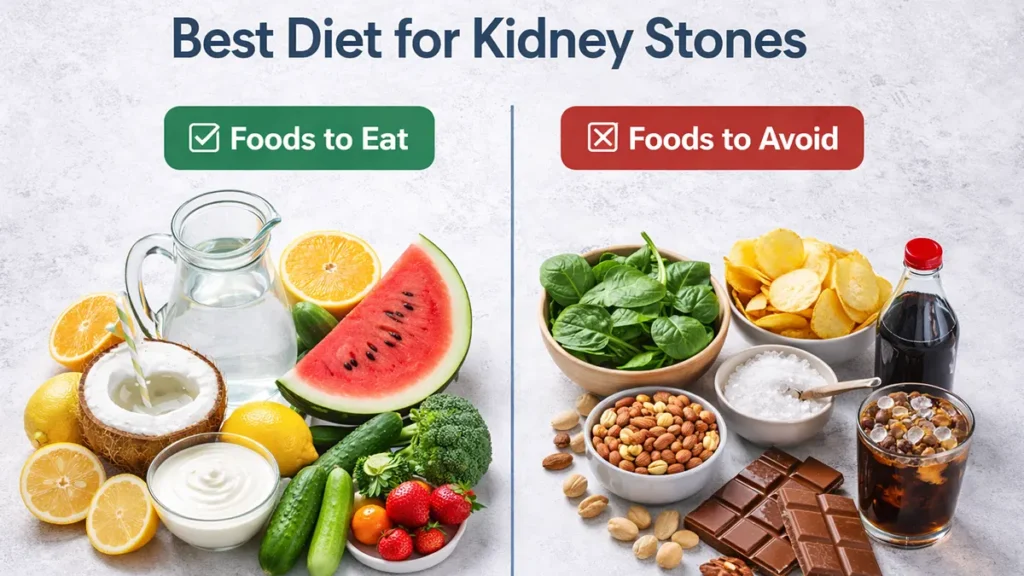
Foods to Avoid for Kidney Stones
1. High-Oxalate Foods
Oxalate combines with calcium to form calcium oxalate stones, the most common type.
Foods high in oxalate include:
- Spinach
- Beetroot
- Chocolate
- Nuts
- Tea
- Sweet potatoes
- Rhubarb
Reducing these foods can help prevent stone formation.
2. Excess Salt (Sodium)
High sodium intake increases calcium in urine, which raises kidney stone risk.
Foods high in salt include:
- Processed foods
- Packaged snacks
- Pickles
- Instant noodles
- Fast food
Recommended sodium intake:
- Less than 2,300 mg per day
3. Sugary Drinks and Soda
Soft drinks and sugary beverages can increase the risk of kidney stones.
Avoid:
- Soda
- Cola drinks
- Energy drinks
- Artificial sweetened beverages
Instead choose water, lemon water, or natural fruit juices.
4. Excess Animal Protein
High intake of animal protein can increase uric acid levels and reduce citrate in urine.
Limit foods such as:
- Red meat
- Organ meats
- Processed meat
- Excess chicken
Balanced protein intake is important for kidney health.
5. High Sugar Foods
High sugar intake can increase calcium excretion in urine.
Limit:
- Sweets
- Cakes
- Candy
- Sweetened desserts
Sample Kidney Stone Prevention Diet Plan
Morning
- Warm lemon water
- Oatmeal with fruits
Breakfast
- Whole wheat toast with eggs
- Fresh fruit
Lunch
- Brown rice
- Dal or lentils
- Vegetable curry
- Yogurt
Evening Snack
- Coconut water
- Fruit salad
Dinner
- Chapati with vegetables
- Grilled fish or paneer
Maintaining the best diet for kidney stones is one of the most effective ways to prevent recurrence. Drinking enough water, reducing salt intake, and eating kidney-friendly foods can help keep the urinary system healthy.
Additional Diet Tips to Prevent Kidney Stones
Follow these lifestyle habits to reduce the risk of kidney stones:
✔ Drink enough water daily
✔ Maintain a balanced calcium intake
✔ Reduce sodium consumption
✔ Limit oxalate-rich foods
✔ Avoid sugary beverages
✔ Maintain a healthy body weight
These dietary habits can significantly reduce kidney stone recurrence.
When to See a Doctor
Seek medical attention if you experience:
- Severe back or side pain
- Blood in urine
- Nausea or vomiting
- Frequent urinary infections
- Difficulty passing urine
Early diagnosis helps prevent complications and kidney damage.
Conclusion
In conclusion, following the best diet for kidney stones can help prevent stone formation and support long-term kidney health. Making simple dietary changes and staying hydrated are essential steps toward reducing the risk of kidney stones.
By following a kidney-friendly diet and healthy lifestyle, you can protect your kidneys and maintain overall urinary health.
National Institute of Diabetes and Digestive and Kidney Diseases
How much water should I drink to prevent kidney stones?
Most people should drink 2.5–3 liters of water daily (approx. 85–100 ounces) to help dilute urine and reduce the risk of kidney stone formation.
What is the best drink for kidney stones?
Water and lemon water are the best drinks. They help dilute urine and increase citrate levels, which prevent stone formation.
Which foods cause kidney stones?
High-oxalate foods (like spinach and nuts), excess salt, sugary drinks, and large amounts of animal protein can increase kidney stone risk.
Is milk good for kidney stones?
Yes, moderate intake of milk and other calcium-rich foods (1–2 servings daily) can help prevent kidney stones by reducing oxalate absorption.
Can bananas help with kidney stones?
Yes, bananas contain potassium and magnesium, which may help reduce kidney stone formation and support kidney health.
How does the DASH diet help kidney stones?
The DASH diet for kidney stones reduces sodium intake and increases fruits and vegetables, helping lower calcium buildup in urine.
What foods should I eat daily to prevent kidney stones?
You should include 2–3 servings of fruits, 2–3 cups of vegetables, whole grains, and low-fat dairy in your daily diet.
Are sugary drinks bad for kidney stones?
Yes, sugary drinks like soda and energy drinks increase the risk of kidney stones and should be avoided.
How much salt is safe for kidney stone prevention?
Limit sodium intake to less than 2,300 mg per day (about 1 teaspoon of salt) as recommended in the USA.
Can dehydration cause kidney stones?
Yes, dehydration is one of the main causes. Low fluid intake leads to concentrated urine, which increases crystal formation.
Is coffee or tea good for kidney stones?
Moderate coffee or tea (1–2 cups daily) is generally safe, but excessive intake may increase oxalate levels in some cases.
How many servings of calcium should I take daily?
Adults should aim for 2–3 servings of calcium-rich foods daily (like milk, yogurt, or cheese) for kidney stone prevention.
Do high-protein diets cause kidney stones?
Yes, excessive animal protein intake (more than 2 servings daily) can increase uric acid and calcium levels, raising stone risk.
Dr. Jayanth Reddy – Consultant Urologist
My Health Hospitals, Hyderabad
This content has been medically reviewed for accuracy and reliability based on current urology treatment guidelines.
According to the kidney stone symptoms NHS guide, severe flank pain can worsen during rest or nighttime.
Author
Yamanandan Reddy
Health Content Writer & Frontend Developer
Yamanandan Reddy is a health content writer and frontend developer with over 4 years of experience in website design and digital content creation. He writes research-based health articles to help readers understand symptoms, causes, treatments, and prevention methods related to common health conditions.
His articles are written using information from trusted medical sources such as the World Health Organization (WHO), Mayo Clinic, and the Centers for Disease Control and Prevention (CDC).
Sources
The information in this article is researched and verified using trusted medical resources, including:
• World Health Organization (WHO)
• Mayo Clinic
• National Institutes of Health (NIH)
• Centers for Disease Control and Prevention
⚠️ Medical Disclaimer
This content is for informational purposes only and does not replace professional medical advice. Always consult a qualified healthcare provider for diagnosis and treatment.
16 thoughts on “Best Diet for Kidney Stones: Foods to Eat & Avoid to Prevent Recurrence”