The Surprising Link Between Mind and Physical Pain
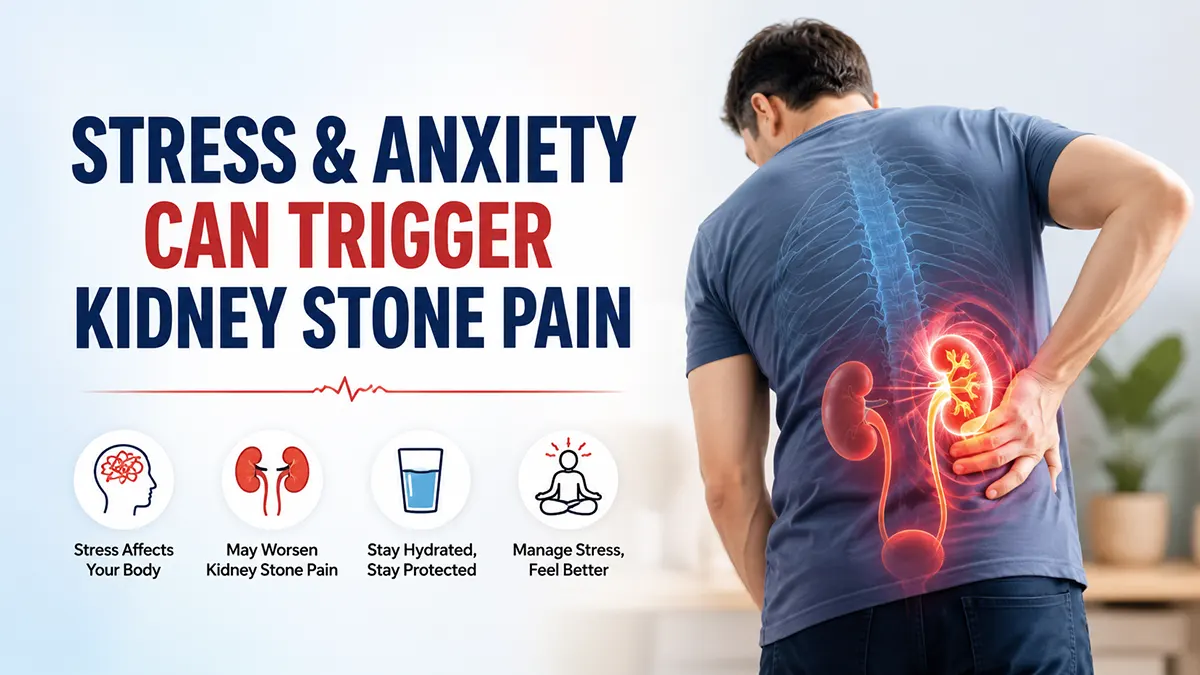
Can stress and anxiety trigger kidney stone pain? Many people notice kidney discomfort becomes worse during emotional stress, panic attacks, or anxiety-filled days. Even after recovering from a kidney stone episode, symptoms may suddenly flare up again during stressful situations.
The connection is real. Stress and anxiety can trigger kidney stone pain by affecting hydration, muscle tension, stress hormones, and the body’s pain response. While stress may not directly create kidney stones overnight, it can make existing kidney stone symptoms feel more intense, painful, and harder to manage.
Understanding how stress affects kidney health may help you reduce flare-ups, stay hydrated, and better manage kidney stone discomfort naturally.
Table of Contents
How Stress and Anxiety Trigger Kidney Stone Pain Symptoms
Stress and anxiety can trigger kidney stone pain symptoms by increasing muscle tension, dehydration, and the body’s sensitivity to pain. High stress hormone levels may also affect urinary tract function, making existing kidney stone discomfort feel more intense and difficult to manage.
Understanding how stress and anxiety trigger kidney stone pain can help reduce flare-ups.
Can Stress Actually Cause a Stone, or Does It Just Make the Pain Worse?
The science is nuanced.
Stress itself does not directly form kidney stones instantly. Kidney stones usually develop over time when minerals like calcium, oxalate, or uric acid build up and crystallize in the kidneys.
However, chronic stress and anxiety may increase the risk indirectly by affecting your daily habits and body chemistry.
Here’s how stress may contribute:
- People under stress often drink less water
- Anxiety may increase salty, sugary, or processed food cravings
- Poor sleep can disrupt hormone balance
- Stress may increase inflammation in the body
- Muscle tension can mimic or intensify kidney pain
Most importantly, stress changes how your nervous system processes pain signals. This means a small stone or mild irritation may suddenly feel much more severe during anxious periods.
Stress and anxiety trigger kidney stone pain by increasing dehydration and muscle tension.
Kidney Stone Symptoms: Early Warning Signs You Should Never Ignore
How Stress Hormones Trick Your Urinary Tract
When you feel anxious, your body releases stress hormones like cortisol and adrenaline.
These hormones activate the “fight or flight” response — the body’s emergency survival mode.
During this response:
- Blood vessels tighten
- Muscles become tense
- Heart rate increases
- Breathing becomes faster
- Pain sensitivity may rise
This can affect the urinary system in surprising ways.
Muscle Tension Can Mimic Kidney Stone Pain
Stress often causes tightening of the muscles around the lower back, abdomen, and pelvic area.
Because kidney stone pain commonly appears in these same regions, many people confuse stress-related muscle pain with actual stone movement.
If someone already has a small kidney stone, muscle tension may amplify the discomfort dramatically.
Kidney Stone Diet Plan: Foods to Eat and Avoid for Faster Recovery
Anxiety Makes the Brain More Sensitive to Pain
An anxious brain stays on high alert.
This heightened awareness can make even mild sensations feel dangerous or unbearable. Research shows stress can lower pain tolerance, meaning kidney stone symptoms may feel sharper, longer, or more intense during emotional distress.
That’s why some people report:
- More flank pain during stressful events
- Increased urinary urgency
- Tightness in the lower abdomen
- Worsening discomfort during panic attacks
In some people, stress and anxiety trigger kidney stone pain during emotional or physical stress.
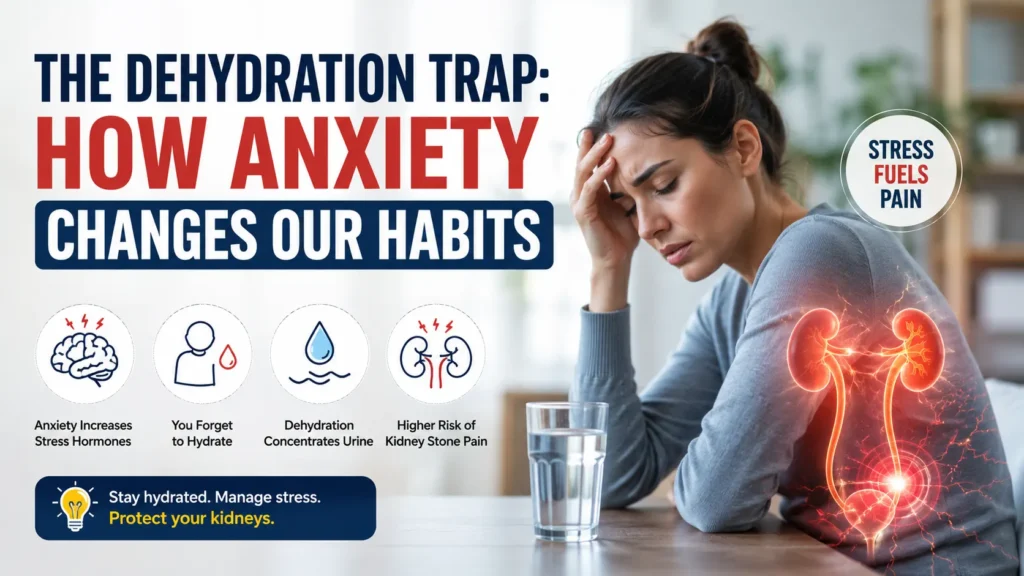
The Dehydration Trap: How Anxiety Changes Our Habits
One of the biggest hidden risks is dehydration.
People experiencing stress or anxiety often forget to drink enough water. Some also consume more caffeine, energy drinks, or sugary beverages during stressful periods.
This matters because concentrated urine allows minerals to stick together more easily — increasing the chance of stone formation.
Common Anxiety Habits That May Increase Kidney Stone Risk
- Skipping water intake
- Drinking excess coffee or soda
- Eating fast food frequently
- Poor sleep routines
- Emotional eating
- Sitting for long periods
Even mild dehydration can worsen kidney stone symptoms by reducing urine flow and making crystals harder to flush out naturally.
Best Water for Kidney Stones: Does Drinking the Right Water Matter?
4 Practical Ways to Manage Stress-Induced Kidney Discomfort
The good news is that calming the nervous system may help reduce symptom intensity.
Here are practical strategies that support both mental wellness and kidney health.
1. Prioritize Hydration
Hydration is one of the most powerful kidney stone prevention tools.
Aim for enough water so your urine appears pale yellow. Carrying a water bottle or setting phone reminders can help if stress makes you forget.
Tip: Adding lemon to water may help increase citrate, a natural substance that can reduce stone formation.
Kidney Stone Treatment Options: From Home Remedies to Surgery
2. Practice Deep Breathing or Relaxation Techniques
Slow breathing helps calm the nervous system and reduce muscle tension.
Simple techniques include:
- Deep belly breathing
- Meditation
- Gentle yoga
- Progressive muscle relaxation
Even 5–10 minutes daily may reduce stress-related pain amplification.
3. Reduce Excess Salt and Processed Foods
Stress eating often leads to high-sodium foods, which can increase calcium in urine and raise stone risk.
Try replacing processed snacks with:
- Fruits
- Nuts in moderation
- Fresh vegetables
- Homemade meals
- Water-rich foods like cucumber or watermelon
4. Know When to See a Doctor
Not all pain is stress-related.
Seek medical attention if you experience:
- Severe or persistent flank pain
- Blood in urine
- Fever or chills
- Vomiting
- Difficulty urinating
These may indicate an active kidney stone or urinary tract obstruction requiring treatment.
Research suggests stress and anxiety trigger kidney stone pain symptoms by affecting the nervous system
How to Prevent Kidney Stones Naturally: Daily Habits That Help Protect Your Kidneys
Conclusion
Stress and anxiety may not directly create kidney stones overnight, but they can absolutely worsen kidney stone pain and increase risk factors over time.
Hormonal changes, muscle tension, dehydration, and heightened pain sensitivity all play a role. The mind and body are deeply connected, especially when it comes to chronic pain conditions.
The encouraging part? Small lifestyle changes — especially hydration, stress management, and healthy daily habits — can make a meaningful difference.
If kidney pain keeps returning during stressful periods, don’t ignore it. Listening to both your mental and physical health is an important step toward long-term relief.
FAQs
Can stress cause kidney stones directly?
Stress alone usually does not directly create kidney stones, but it can increase risk through dehydration, poor diet, and unhealthy habits.
How long does stress-induced kidney pain last?
Stress-related muscle tension or pain flare-ups may last from a few hours to several days depending on anxiety levels and hydration status.
Can anxiety feel like kidney stone pain?
Yes. Anxiety can cause muscle tightness and increased pain sensitivity that may mimic or worsen kidney stone discomfort.
Dr. Jayanth Reddy – Consultant Urologist
My Health Hospitals, Hyderabad
This content has been medically reviewed for accuracy and reliability based on current urology treatment guidelines.
According to the kidney stone symptoms NHS guide, severe flank pain can worsen during rest or nighttime.
Author
Yamanandan Reddy
Health Content Writer & Frontend Developer
Yamanandan Reddy is a health content writer and frontend developer with over 4 years of experience in website design and digital content creation. He writes research-based health articles to help readers understand symptoms, causes, treatments, and prevention methods related to common health conditions.
His articles are written using information from trusted medical sources such as the World Health Organization (WHO), Mayo Clinic, and the Centers for Disease Control and Prevention (CDC).
Sources
The information in this article is researched and verified using trusted medical resources, including:
• World Health Organization (WHO)
• Mayo Clinic
• National Institutes of Health (NIH)
• Centers for Disease Control and Prevention
⚠️ Medical Disclaimer
This content is for informational purposes only and does not replace professional medical advice. Always consult a qualified healthcare provider for diagnosis and treatment.