Could Your Weight Be Increasing Your Risk of Kidney Stones?
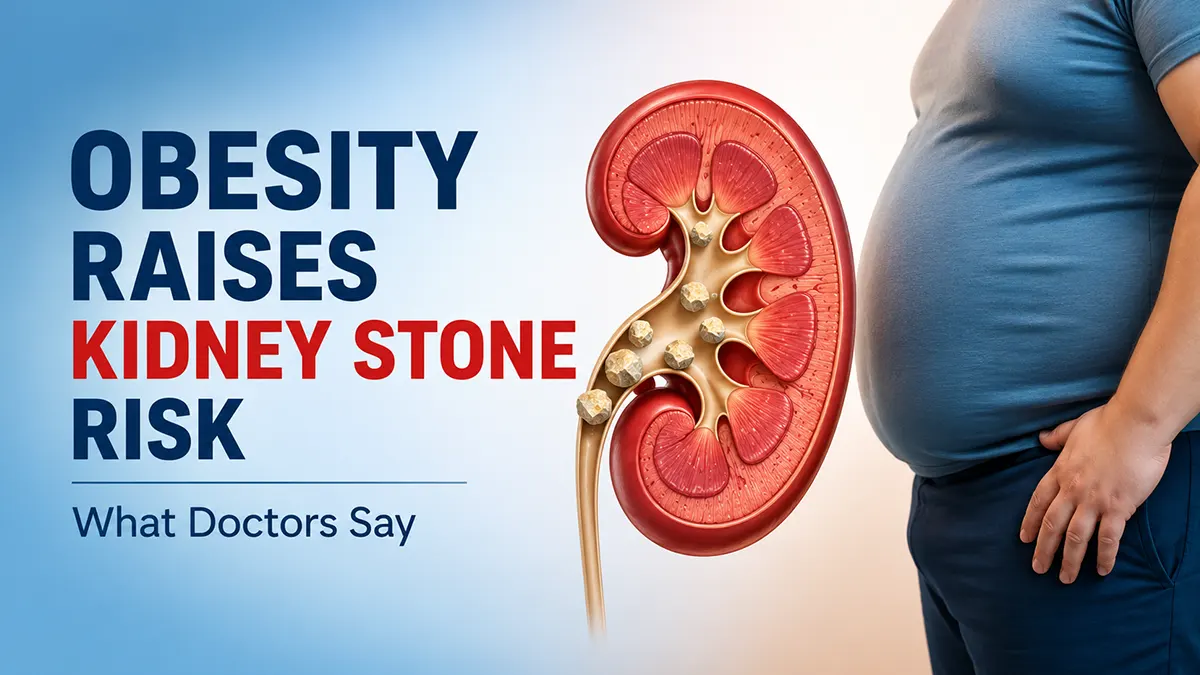
Kidney Stones Linked to Obesity is a growing health concern that affects millions of adults worldwide. If you are overweight, have belly fat, or struggle with insulin resistance, your risk of developing painful kidney stones may be significantly higher than you realize.
Doctors say the connection is clear: excess body weight changes your urine chemistry, increases uric acid levels, and creates the perfect environment for kidney stones to form. The good news is that gradual weight loss, better hydration, and healthy eating habits can dramatically reduce your risk.
You drink water. You try to eat reasonably well. Yet a sudden, sharp pain hits your side and sends you to the emergency room.
The diagnosis? Kidney stones.
What surprises many people is that one of the biggest risk factors for kidney stones isn’t just dehydration or diet—it’s obesity.
Doctors now know that carrying excess body weight can significantly increase the risk of developing kidney stones, especially uric acid stones and calcium oxalate stones.
And the connection is stronger than most people realize.
If you have belly fat, insulin resistance, PCOS, fatty liver, or metabolic syndrome, understanding this link could help you prevent one of the most painful conditions in medicine.
Table of Contents
What Are Kidney Stones?
Kidney stones are hard crystal-like deposits that form when certain minerals and salts in the urine stick together.
Think of your urine like a glass of water with dissolved sugar. If you add too much sugar and not enough water, crystals begin to form.
The same thing happens inside your kidneys.
These stones may stay in the kidney or move into the urinary tract, causing intense pain, nausea, and difficulty urinating.
How Common Are Kidney Stones in People With Obesity?
Studies show that people with obesity are significantly more likely to develop kidney stones compared with those at a healthy weight.
Research Highlights
- Obesity increases kidney stone risk by up to 75%
- Higher BMI is associated with more recurrent stones
- Visceral fat (deep abdominal fat) is strongly linked to stone formation
- Metabolic syndrome greatly raises the risk of uric acid stones
[Clinical citation placeholder: National Kidney Foundation, AUA guidelines, peer-reviewed obesity and nephrolithiasis studies]
Why Does Obesity Cause Kidney Stones?
The relationship between obesity and kidney stones involves several biological changes.
1. More Acidic Urine
People with obesity often have lower urine pH, meaning their urine is more acidic.
This creates the ideal environment for uric acid stones to form.
2. Insulin Resistance
Insulin resistance reduces the kidneys’ ability to neutralize acid.
This explains why people with:
- Prediabetes
- Type 2 diabetes
- PCOS
- Metabolic syndrome
are more prone to stones.
Keyword: does insulin resistance from weight gain cause kidney stones
3. Higher Uric Acid Levels
Obesity increases uric acid production.
Excess uric acid can crystallize and form stones.
Keyword: why do obese patients get more uric acid stones
4. Increased Oxalate and Calcium in Urine
Many people with obesity excrete more stone-forming substances such as calcium, oxalate, and sodium.
5. Chronic Inflammation
Visceral fat acts like an inflammatory organ.
This ongoing inflammation can affect kidney function and stone formation.
The Link Between Metabolic Syndrome and Kidney Stones
Metabolic syndrome includes:
- High blood pressure
- High blood sugar
- Abdominal obesity
- Low HDL cholesterol
- High triglycerides
Each of these factors can contribute to kidney stone development.
People with metabolic syndrome are much more likely to develop recurrent stones.
Kidney Stones Linked to Obesity are more common than many people realize. Doctors explain that excess body weight can make urine more acidic and increase uric acid levels, which creates the ideal environment for stones to form. If you have belly fat, insulin resistance, or metabolic syndrome, your risk is even higher.
Symptoms of Kidney Stones
Common symptoms include:
- Sudden severe pain in the back or side
- Pain radiating to the groin
- Blood in the urine
- Nausea or vomiting
- Frequent urination
- Burning while urinating
- Cloudy or foul-smelling urine
Read Also : kidney stone symptoms
Does a High BMI Make Passing a Kidney Stone Harder?
Yes.
People with a high BMI may experience:
- Larger stones
- Slower stone passage
- Increased pain
- Technical challenges during procedures
Read Also : uric acid kidney stones
Does High BMI Affect Lithotripsy Success?
Shock Wave Lithotripsy (SWL) can be less effective in patients with obesity because the distance between the skin and stone may reduce energy delivery.
In these cases, doctors may recommend:
- Ureteroscopy
- Percutaneous nephrolithotomy (PCNL)
Obesity and Uric Acid Stones
Uric acid stones are especially common in people with obesity and diabetes.
They form when urine becomes too acidic.
Foods That Can Raise Uric Acid
- Red meat
- Organ meats
- Shellfish
- Sugary drinks
- Alcohol
Can Belly Fat Cause Kidney Stones?
Belly fat, also known as visceral fat, is metabolically active and increases inflammation, insulin resistance, and acidic urine.
belly fat and kidney stone problem
Weight Loss Can Help—But Losing Too Fast Can Backfire
Gradual weight loss lowers stone risk.
Rapid weight loss can increase uric acid and concentrate the urine, leading to stones.
Safe Weight Loss Tips
- Aim to lose 1–2 pounds per week
- Stay well hydrated
- Eat enough calcium from food
- Avoid crash diets
Read Also : kidney stone diet plan
Ozempic and Kidney Stones: Is There a Connection?
Medications like Ozempic do not directly cause kidney stones.
However, nausea, vomiting, and reduced fluid intake can lead to dehydration, which raises stone risk.
Bariatric Surgery and Kidney Stone Risk
Procedures such as gastric bypass can increase oxalate absorption, which may lead to calcium oxalate stones.
Why Gastric Bypass Increases Stone Risk
- More oxalate absorption
- Lower urine citrate
- Chronic dehydration
PCOS, Weight Gain, and Kidney Stones
Women with Polycystic Ovary Syndrome often have insulin resistance and obesity, both of which increase kidney stone risk.
Fatty Liver and Kidney Stones
Nonalcoholic fatty liver disease (NAFLD) and kidney stones share common risk factors:
- Obesity
- Insulin resistance
- Poor diet
- Sedentary lifestyle
Best Diet for Overweight Kidney Stone Patients
Eat More Of:
- Water
- Citrus fruits
- Vegetables
- Whole grains
- Low-fat dairy
- Beans
Limit:
- Salt
- Sugary drinks
- Processed foods
- Excess animal protein
Daily Water Goal
Most adults should aim for enough fluid to produce at least 2 to 2.5 liters of urine per day, which often means drinking about 8–12 cups of fluid, depending on your activity level and climate.
Practical Steps You Can Start Today
- Drink water throughout the day.
- Reduce sodium intake.
- Maintain a healthy weight.
- Exercise 30 minutes most days.
- Avoid crash diets.
- Increase fruits and vegetables.
- Follow your doctor’s dietary advice based on stone type.
Read Also : how to prevent kidney stones
When to See a Doctor Immediately
Seek urgent medical care if you have:
- Severe flank pain
- Fever or chills
- Vomiting that prevents drinking fluids
- Blood in the urine
- Difficulty urinating
- Pain with only one kidney
If you’re in the U.S., urgent care or the emergency room is appropriate for severe symptoms.
How Doctors Diagnose Kidney Stones
Your doctor may order:
- Urinalysis
- Blood tests
- CT scan
- Ultrasound
- Stone analysis
- 24-hour urine collection
These tests help determine why stones formed and how to prevent them.
Treatment Options
Treatment depends on the size and location of the stone.
Small Stones
- Pain medication
- Fluids
- Alpha blockers such as Tamsulosin
Larger Stones
- Shock Wave Lithotripsy (SWL)
- Ureteroscopy
- PCNL
Can Losing Weight Get Rid of Kidney Stones?
Weight loss won’t dissolve existing stones in most cases, but it can reduce the chance of future stones.
If you have uric acid stones, medications such as potassium citrate may help dissolve them.
People Also Ask (FAQ)
Why do obese patients get more uric acid stones?
Obesity often causes acidic urine and higher uric acid levels, which creates the perfect environment for uric acid stones to form.
Does obesity make kidney stone surgery harder?
It can. A high BMI may reduce lithotripsy success and make some procedures technically more challenging.
How does excess body weight affect kidney function?
Excess weight increases inflammation, blood pressure, and insulin resistance, which can strain the kidneys over time.
Why do gastric bypass patients get kidney stones?
Gastric bypass increases oxalate absorption and can cause dehydration, both of which raise stone risk.
What Doctors Say
Urologists and kidney specialists agree on one key message:
Obesity is a major, but modifiable, risk factor for kidney stones.
Even modest weight loss can improve urine chemistry and reduce your risk of future stones.
The goal isn’t perfection.
It’s progress.
Final Takeaway
Kidney stones and obesity are closely connected.
If you’re overweight, have belly fat, insulin resistance, or metabolic syndrome, your risk of painful kidney stones is higher.
The good news? Small changes can make a big difference.
Drink more water. Eat less salt. Lose weight gradually. Stay active.
And if you’ve had one kidney stone, don’t wait for another.
Talk to your doctor and build a prevention plan that works for you.
The encouraging news is that Kidney Stones Linked to Obesity can often be prevented. Drinking more water, reducing salt, and losing weight gradually can lower your risk of future stones. If you have already had a kidney stone, addressing obesity is one of the most effective steps you can take to protect your kidneys long term.
Dr. Jayanth Reddy – Consultant Urologist
My Health Hospitals, Hyderabad
This content has been medically reviewed for accuracy and reliability based on current urology treatment guidelines.
According to the kidney stone symptoms NHS guide, severe flank pain can worsen during rest or nighttime.
Author
Yamanandan Reddy
Health Content Writer & Frontend Developer
Yamanandan Reddy is a health content writer and frontend developer with over 4 years of experience in website design and digital content creation. He writes research-based health articles to help readers understand symptoms, causes, treatments, and prevention methods related to common health conditions.
His articles are written using information from trusted medical sources such as the World Health Organization (WHO), Mayo Clinic, and the Centers for Disease Control and Prevention (CDC).
Sources
The information in this article is researched and verified using trusted medical resources, including:
• World Health Organization (WHO)
• Mayo Clinic
• National Institutes of Health (NIH)
• Centers for Disease Control and Prevention
⚠️ Medical Disclaimer
This content is for informational purposes only and does not replace professional medical advice. Always consult a qualified healthcare provider for diagnosis and treatment.