How to Catch a Kidney Stone in Urine: Step-by-Step Guide
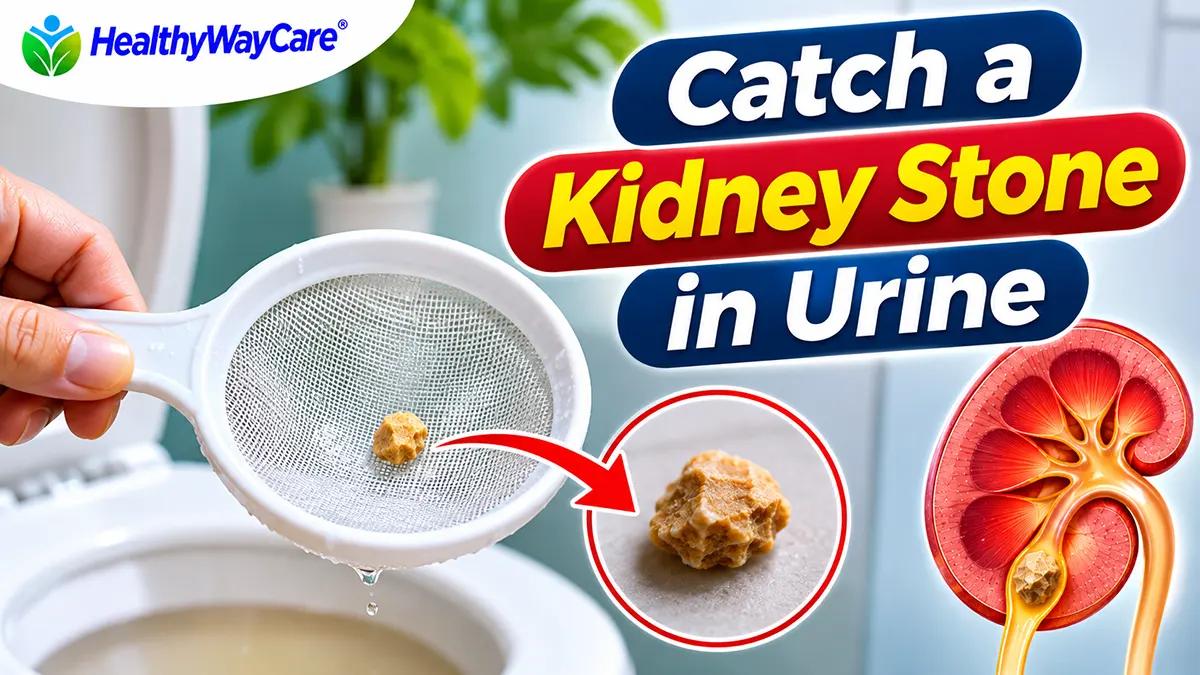
How to catch a kidney stone in urine using a urine strainer, showing a small kidney stone collected in the strainer and a kidney anatomy illustration.

Wondering how to catch a kidney stone in urine? If you have been told that a stone may pass on its own, your doctor might ask you to save it for testing. That sounds straightforward until you are standing in the bathroom wondering what equipment to use, how small a stone can be, and what … Read more
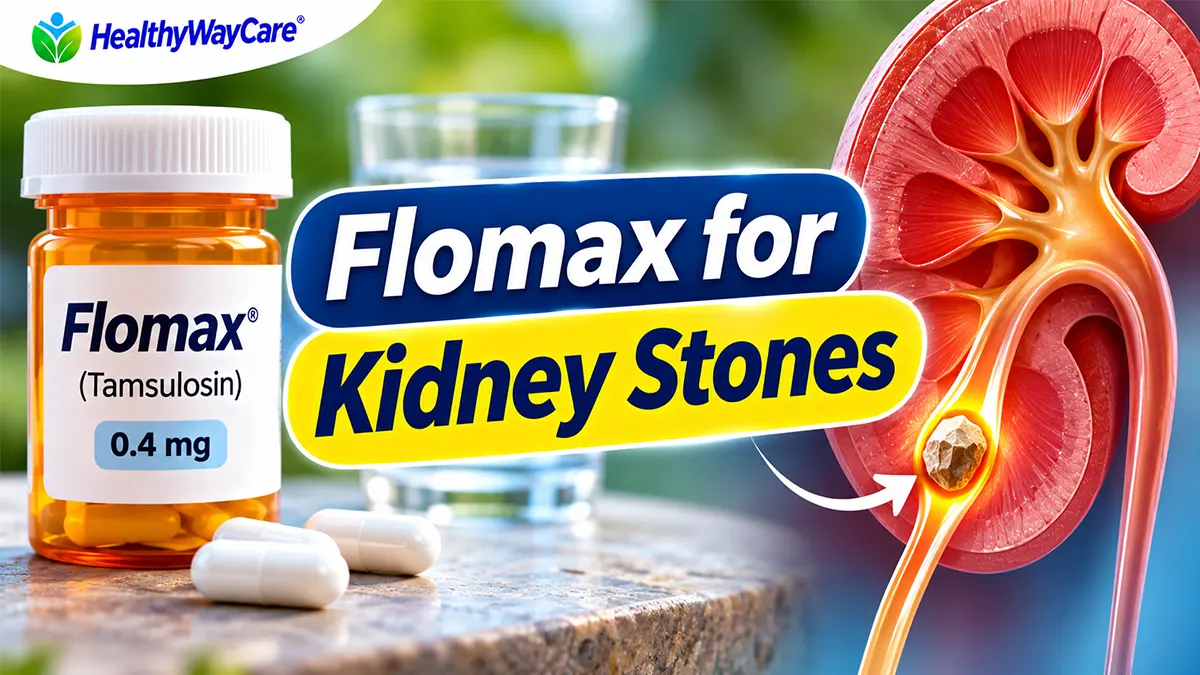
Flomax for Kidney Stones: Does Tamsulosin Help Stones Pass?

Flomax for kidney stones featured image showing a tamsulosin medication bottle and a medical illustration of a kidney stone lodged in the ureter.

Flomax for Kidney Stones: Does Tamsulosin Help Stones Pass? Quick answer: Flomax (tamsulosin) may help certain stones pass when they are lodged in the lower (distal) ureter, especially stones approximately 5–10 mm in diameter. It relaxes smooth muscle in the urinary tract; it does not dissolve, shrink, or break apart a kidney stone. Its use … Read more

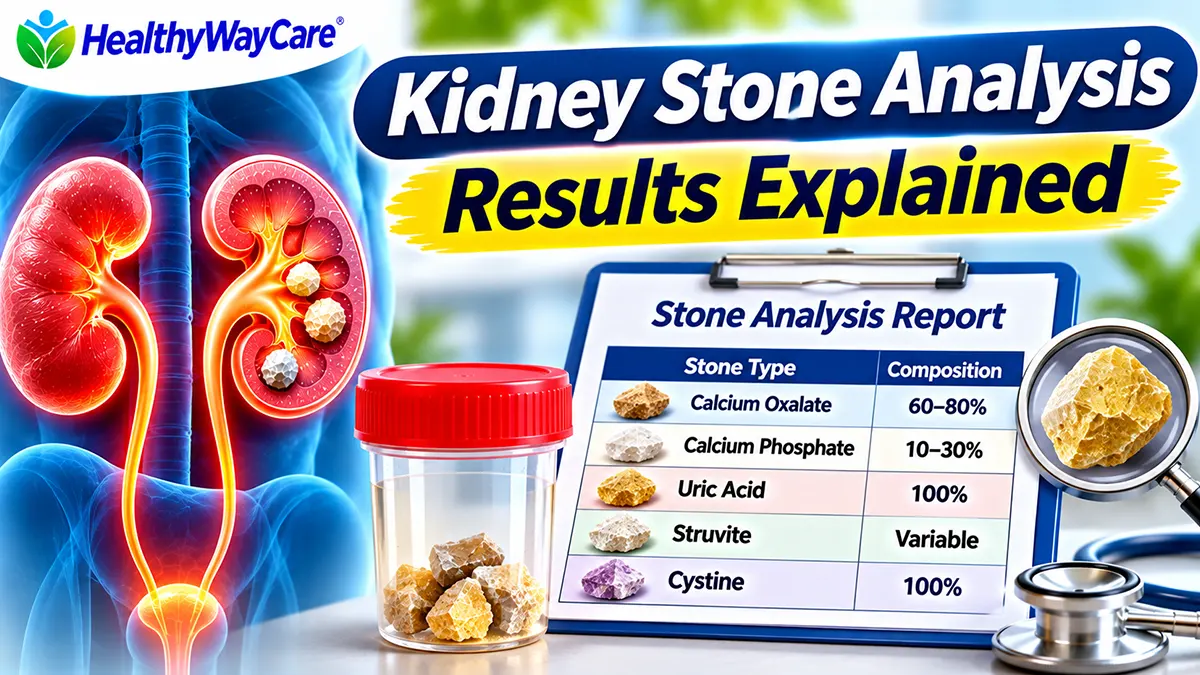
Kidney Stone Analysis Results Explained: What Type of Stone Do You Have?

Kidney stone analysis results showing kidney anatomy, stone samples, and a laboratory report identifying calcium oxalate, calcium phosphate, uric acid, struvite, and cystine stones.

Kidney stone analysis results identify the minerals in a stone you passed or had removed. A laboratory may report calcium oxalate, calcium phosphate, uric acid, struvite, cystine, or a mixture. Knowing the composition helps your clinician decide which follow-up tests and prevention steps make sense. A result is not, by itself, a diagnosis of why … Read more

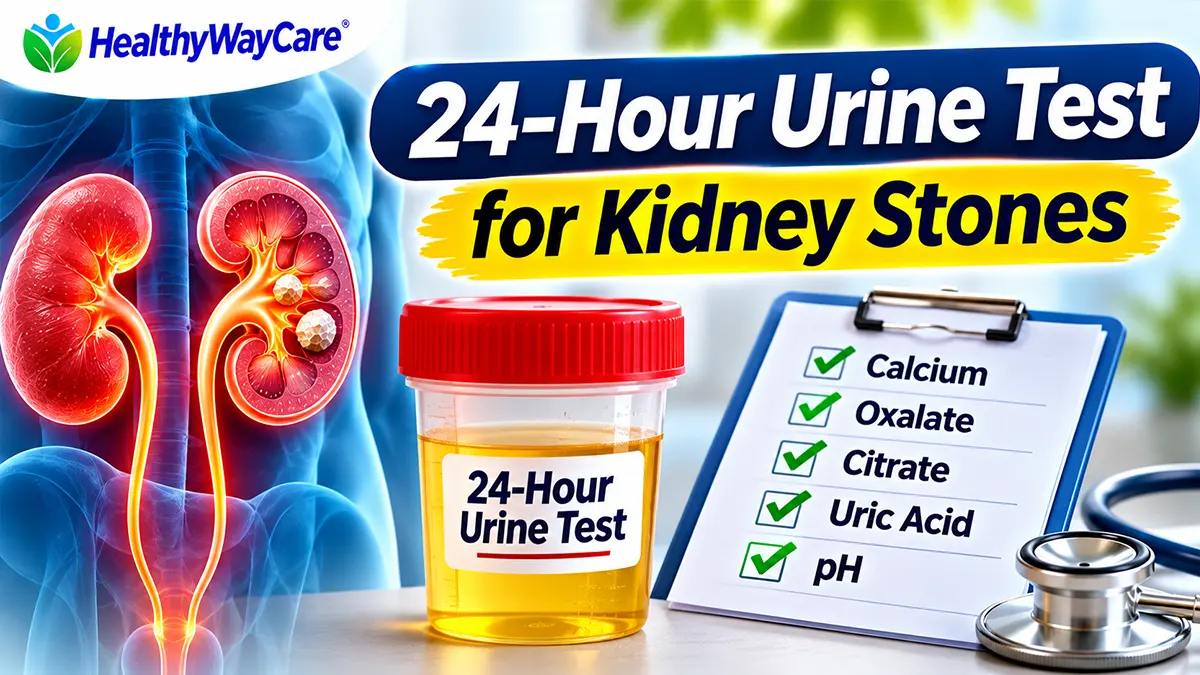
24-Hour Urine Test for Kidney Stones: Results Explained

24 hour urine test for kidney stones showing kidney anatomy, urine sample collection, and calcium, oxalate, citrate, uric acid, and pH measurements.

Quick answer: A 24 hour urine test for kidney stones measures how much urine your body produces and how much of several stone-related substances you excrete over an entire day. It can reveal low urine volume, excess calcium or oxalate, low citrate, unusual urine acidity, and other patterns that help your clinician design a prevention … Read more

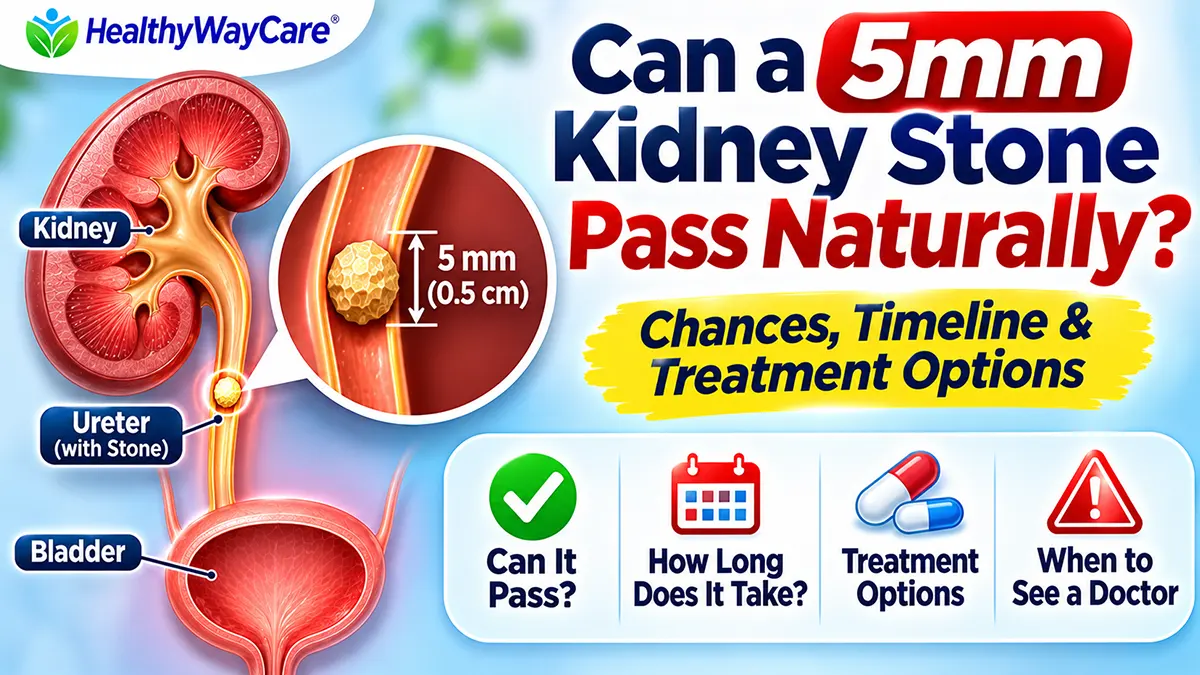
Can a 5mm Kidney Stone Pass Naturally Without Surgery?

Can a 5mm kidney stone pass naturally? Medical illustration showing a 5mm stone in the ureter, kidney and bladder anatomy, and treatment options.

Can a 5mm kidney stone pass naturally? Yes. Many 5-millimeter stones in the ureter pass without surgery, but passage is not guaranteed. Where the stone sits, whether it blocks urine, your kidney function, symptoms, and signs of infection matter as much as its measured size. A 5 mm stone still inside the kidney is a … Read more

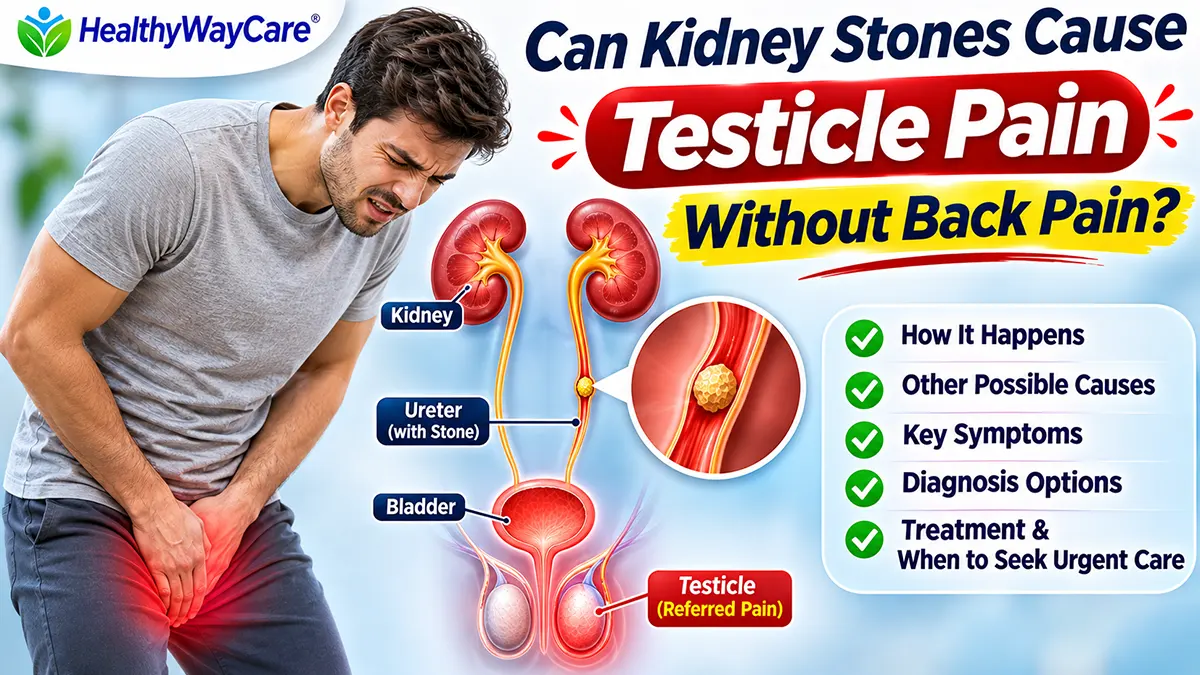
Can Kidney Stones Cause Testicle Pain Without Back Pain?

Kidney stone testicle pain without back pain illustrated by a man experiencing groin discomfort alongside a medical diagram showing a ureteral stone and referred testicular pain.

Kidney stone testicle pain without back pain can happen because pain from a stone in the ureter may be felt in the groin or testicle instead of only in the back. However, new or sudden testicular pain needs urgent medical evaluation: testicular torsion, a problem that can cut off blood supply to the testicle, must … Read more

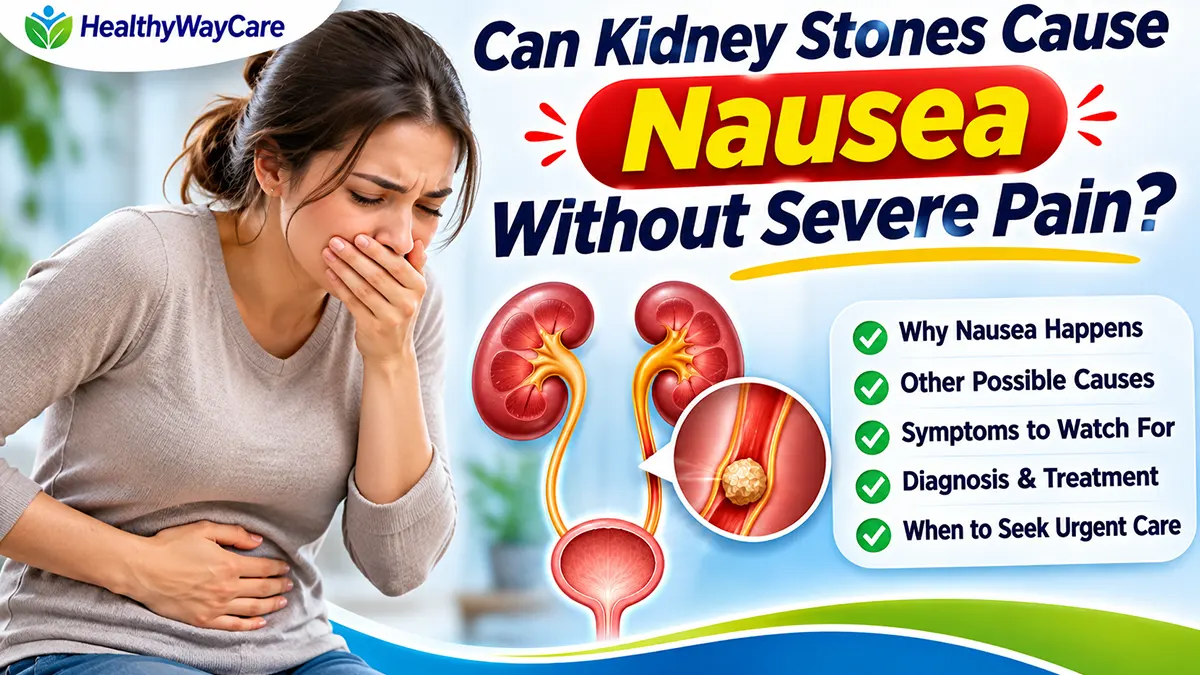
Can Kidney Stones Cause Nausea Without Severe Pain?

Kidney stone nausea without severe pain illustrated by a woman feeling nauseated alongside a medical diagram showing a kidney stone in the ureter.

Kidney stone nausea without severe pain is possible, but nausea alone does not diagnose a kidney stone. Some stones cause little discomfort, while others produce intense flank pain, vomiting, or changes in urination. The location of a stone and whether it blocks urine flow matter more than a simple pain rating. If you feel queasy … Read more

Can Kidney Stones Cause Groin Pain Without Back Pain?

Kidney stone groin pain without back pain illustrated with a person experiencing groin discomfort and a medical diagram showing a stone in the lower ureter.

Kidney stone groin pain without back pain can occur when a stone moves into the lower ureter, the tube connecting the kidney to the bladder. Although kidney stones commonly cause pain in the side or back, some people experience discomfort mainly in the groin or lower abdomen. The location and intensity of pain can vary … Read more

Can Kidney Stones Cause Lower Back Pain Without Blood in Urine?

Person holding their lower back due to pain, with a medical illustration showing a kidney stone in the urinary tract and possible symptoms without visible blood in urine.

Quick answer: Yes. A kidney stone can cause pain in the back or side even when urine looks completely normal. Some people have microscopic blood that is visible only on a urine test, while others have no detectable blood at the time they are tested. The absence of blood does not rule out a stone. … Read more

Why Do My Legs Feel Heavy When Walking but Normal at Rest?

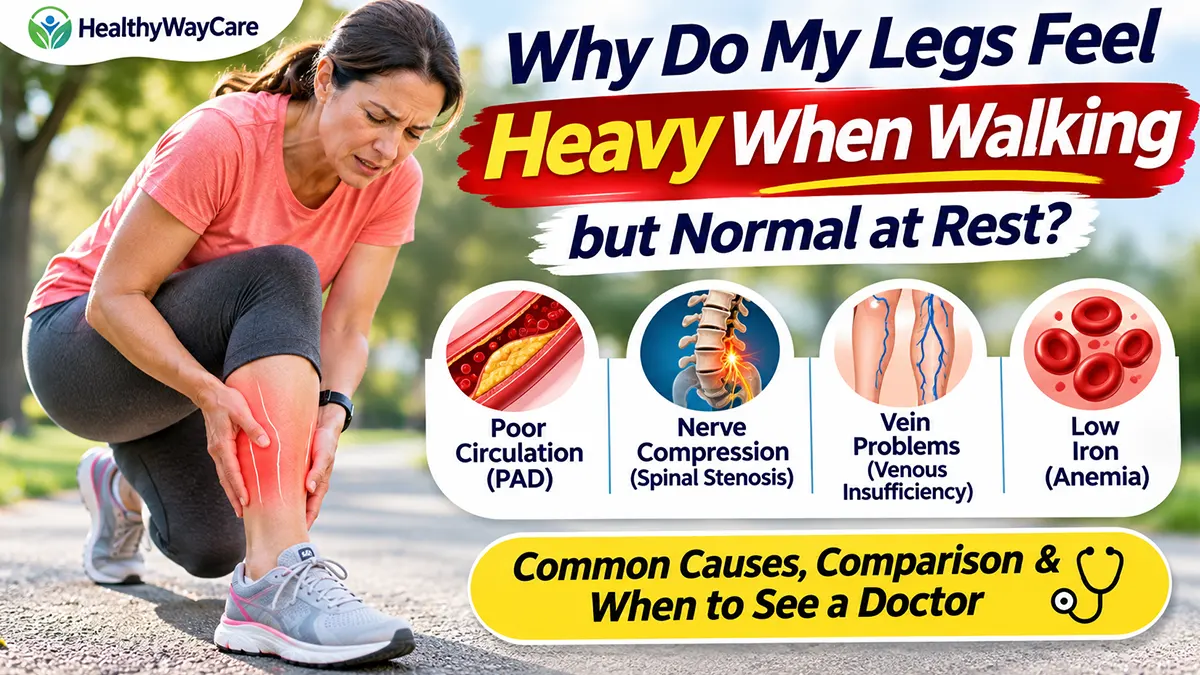
Why Do My Legs Feel Heavy When Walking but Normal at Rest?

Legs feel heavy when walking but normal at rest? That pattern can happen when working muscles need more blood than narrowed arteries can deliver, when nerves in the lower back become irritated by standing upright, or when muscles and joints are overworked. The way symptoms begin, where they occur, and what makes them stop can … Read more