Medically Reviewed By
Dr. Ch. Srujith, MBBS, MD (General Medicine)
General Physician & Diabetologist | 15+ Years Experience
View Doctor Profile →How to lower blood sugar naturally is a common question for people with prediabetes or diabetes. Evidence-based lifestyle changes can improve blood glucose management, but “natural” methods should not replace prescribed diabetes treatment.
The American Diabetes Association (ADA) recommends individualized nutrition, regular physical activity, healthy weight management, and diabetes self-management as important parts of diabetes care.
Table of Contents
What Does “Lower Blood Sugar Naturally” Mean?
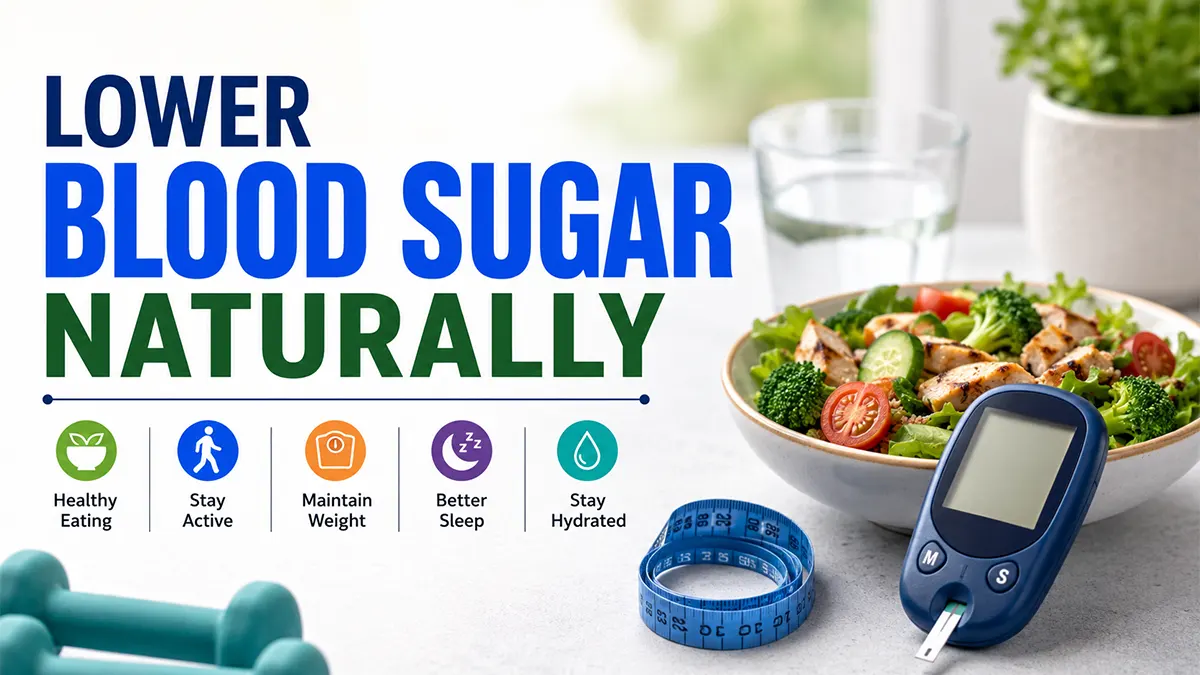
In this context, it means using evidence-based lifestyle habits that can support healthier blood glucose levels without relying on unproven supplements or herbal remedies.
Important approaches include:
- Choosing nutrient-dense foods
- Reducing sugar-sweetened beverages
- Eating more high-fiber foods
- Being physically active
- Managing body weight when appropriate
- Getting adequate sleep
- Staying hydrated
- Taking prescribed medicines as directed
NIDDK notes that healthy eating, physical activity, adequate sleep, and maintaining a healthy weight can help people manage diabetes and keep blood glucose within the range recommended by their healthcare professional.
A1C Chart Explained: Normal, Prediabetes & Diabetes Ranges
1. Choose High-Fiber, Minimally Processed Foods
One of the most practical ways to improve your overall eating pattern is to emphasize minimally processed, nutrient-dense foods.
The ADA recommends emphasizing foods such as:
- Nonstarchy vegetables
- Whole fruits
- Beans, peas, and lentils
- Whole grains
- Nuts and seeds
- Lean protein sources
- Low-fat dairy or suitable nondairy alternatives
The ADA also recommends minimizing foods high in added sugars, refined grains, and highly processed or ultraprocessed foods.
Examples
Instead of relying heavily on refined carbohydrates such as sweets, sugary cereals, or highly processed snacks, consider meals built around vegetables, legumes, whole grains, and an appropriate protein source.
The goal is not to eliminate carbohydrates completely. Carbohydrates include nutritious foods such as fruits, legumes, and whole grains, and the quality and overall eating pattern matter.
Fasting Blood Sugar Chart: Normal, Prediabetes & Diabetes Ranges (2026)
2. Replace Sugary Drinks With Water
Sugar-sweetened beverages can contribute substantial amounts of added sugar and calories.
The ADA recommends replacing sugar-sweetened beverages, including many juices, with water or low-calorie/no-calorie beverages to help manage glycemia and reduce cardiometabolic risk.
Examples include:
- Regular soft drinks
- Sweetened tea
- Sweetened coffee beverages
- Energy drinks containing added sugar
- Fruit drinks with added sugar
Water is a simple option when you are thirsty.
NIDDK also recommends choosing water and staying hydrated as part of healthy diabetes management.
Normal Blood Sugar Levels by Age: What Is a Healthy Range?
3. Increase Physical Activity
Physical activity can help lower blood glucose and improve overall diabetes management.
The ADA recommends that most adults with type 1 or type 2 diabetes work toward at least 150 minutes of moderate- to vigorous-intensity aerobic activity per week, spread across at least 3 days, with no more than 2 consecutive days without activity.
Examples include:
- Brisk walking
- Cycling
- Swimming
- Dancing
- Other moderate aerobic activities that you can safely perform
You do not necessarily need a gym membership.
Even increasing your activity from a very low baseline can be a useful step toward meeting recommended activity levels.
4. Break Up Long Periods of Sitting
Physical activity isn’t limited to formal exercise.
The ADA recommends interrupting prolonged sitting at least every 30 minutes for blood glucose and other health benefits.
Simple options include:
- Standing up
- Walking around your home or workplace
- Taking a short movement break
- Stretching
- Walking while making a phone call
These small movements can be easier to incorporate into a busy day.
When High Blood Sugar Becomes an Emergency: Warning Signs, DKA & HHS (2026)
5. Add Resistance Exercise
Aerobic activity isn’t the only useful form of exercise.
The ADA recommends 2–3 sessions of resistance exercise per week on nonconsecutive days for adults with diabetes.
Resistance exercise can include:
- Bodyweight exercises
- Resistance bands
- Weight training
- Other appropriately supervised strengthening exercises
Your exercise plan should be adapted to your fitness level, age, medical conditions, and diabetes treatment.
6. Work Toward a Healthy Weight If Needed
For people with overweight or obesity who have type 2 diabetes or are at high risk of developing it, weight management can improve metabolic health.
The ADA’s 2026 guidance recommends individualized nutrition, physical activity, and behavioral interventions. For people with overweight or obesity, treatment plans may aim for at least 5–7% weight loss when appropriate.
You do not need to pursue extreme diets or rapid weight loss.
A healthcare professional or registered dietitian can help establish a realistic goal based on your health and nutritional needs.
Diabetes Symptoms in Children: Early Warning Signs Every Parent Should Know
7. Don’t Depend on “Blood Sugar Lowering” Supplements
Many products are marketed as natural ways to lower blood sugar, including herbs, vitamins, minerals, and other supplements.
Evidence does not support routinely using supplements such as cinnamon, aloe vera, chromium, or other products specifically for glycemic benefits.
The ADA’s 2026 Standards state that supplementation with micronutrients or herbs and spices such as magnesium, chromium, cinnamon, and aloe vera is not recommended for glycemic benefits.
NIDDK likewise advises people to speak with their healthcare professional before taking dietary supplements because some can cause side effects or interfere with diabetes medicines.
“Natural” does not automatically mean safe or effective.
8. Get Enough Sleep
Sleep is part of a healthy lifestyle and can influence overall metabolic health.
NIDDK includes getting enough sleep among the healthy-living habits that can help people manage diabetes.
Instead of looking for a single food or supplement that rapidly lowers glucose, focus on consistent habits across:
Food + movement + sleep + medication adherence + regular medical care.
Signs of Diabetes in Men: 12 Early Warning Symptoms You Shouldn’t Ignore
9. Follow Your Prescribed Diabetes Treatment
Lifestyle changes are important, but they are not a replacement for prescribed diabetes medication when medication is needed.
The ADA emphasizes that lifestyle management remains an important part of diabetes care even when pharmacologic treatment is being used.
Do not stop insulin or other diabetes medication because you want to lower blood sugar naturally.
If your glucose readings are changing significantly after you improve your diet or increase exercise, discuss the changes with your healthcare professional. Medication doses sometimes need individualized adjustment.
10. Monitor Blood Sugar When Recommended
If you have diabetes, your healthcare professional may recommend checking your blood glucose with a glucose meter or using continuous glucose monitoring (CGM), depending on your treatment.
Monitoring can help you understand how food, physical activity, medication, illness, and other factors affect your glucose.
The ADA’s 2026 guidance recommends CGM for adults with diabetes in several situations, including insulin therapy and some noninsulin treatments that can cause hypoglycemia.
Can You Lower Blood Sugar Quickly Naturally?
There is no universally safe natural method that can guarantee a rapid reduction in blood glucose.
Physical activity can lower glucose, but the response varies. In people taking insulin or certain diabetes medicines, exercise can also cause low blood glucose (hypoglycemia). NIDDK specifically warns that physical activity can lower blood glucose and that people using insulin or certain medicines may need precautions.
If your blood glucose is very high or you have symptoms such as vomiting, difficulty breathing, confusion, severe weakness, or dehydration, do not rely on home remedies. Seek appropriate medical care.
11. Build Balanced Meals
A balanced meal can include:
- Nonstarchy vegetables
- A suitable protein source
- High-fiber carbohydrate sources
- Healthy fats in appropriate portions
The ADA recommends eating patterns that emphasize vegetables, whole fruits, legumes, whole grains, nuts, seeds, lean proteins, and suitable dairy or nondairy alternatives while limiting sugar-sweetened beverages, sweets, refined grains, and highly processed foods.
The goal isn’t to completely eliminate carbohydrates. Instead, focus on food quality, portions, and your overall eating pattern.
Signs of Diabetes in Women: 12 Early Warning Symptoms You Shouldn’t Ignore (2026)
12. Choose Whole Fruit Instead of Sugary Drinks
Whole fruit can be part of a diabetes-friendly eating pattern.
However, fruit juice can provide a substantial amount of carbohydrate without the same structure and fiber found in whole fruit.
For everyday hydration, water is generally a better choice than sugar-sweetened beverages. NIDDK recommends water as a way to stay hydrated and notes that many sports drinks contain considerable sugar and calories.
13. Increase Fiber-Rich Foods
Fiber-containing foods can be useful as part of a healthy eating pattern.
Examples include:
- Beans
- Lentils
- Chickpeas
- Vegetables
- Whole grains
- Nuts and seeds
- Whole fruits
Rather than focusing on one “blood sugar lowering” food, build meals around a variety of nutrient-rich foods.
The ADA specifically recommends including legumes, whole fruits, whole grains, vegetables, nuts, and seeds in eating patterns for people with prediabetes or diabetes.
14. Watch Portion Sizes
Even nutritious foods can contribute substantial calories or carbohydrates when eaten in very large portions.
If you are trying to improve blood glucose or manage weight, portion awareness can be more useful than completely eliminating individual foods.
NIDDK notes that people with diabetes can still enjoy favorite foods, but may need to eat smaller portions or have them less often depending on their individual meal plan.
10 Silent Symptoms of High Blood Sugar You Shouldn’t Ignore (2026 Guide)
15. Take a Walk After Meals
Walking is a practical form of physical activity and can help with glucose management.
Regular physical activity can lower blood glucose and improve cardiovascular health, weight management, mood, and sleep.
However, there is no single universally correct duration or timing of a post-meal walk for everyone.
If you use insulin or medicines that can cause hypoglycemia, physical activity may require additional precautions.
16. Combine Aerobic and Resistance Exercise
A combination of aerobic activity and resistance training can provide broader health benefits.
The ADA recommends that most adults with diabetes work toward at least 150 minutes of moderate- to vigorous-intensity aerobic activity per week, distributed across at least 3 days, along with resistance exercise on nonconsecutive days.
Examples:
Aerobic
- Brisk walking
- Cycling
- Swimming
- Dancing
Resistance
- Bodyweight exercises
- Resistance bands
- Weight training
- Other appropriate strengthening exercises
Start at a level that matches your fitness and health status.
17. Avoid Sitting for Long Periods
If you spend many hours sitting, regular movement breaks can be useful.
The ADA recommends interrupting prolonged sitting at least every 30 minutes for blood glucose and other health benefits.
You can:
- Stand up
- Walk around the room
- Stretch
- Take a short walking break
- Move around while talking on the phone
These small changes can complement planned exercise.
18. Get Enough Sleep
Sleep is another part of healthy diabetes management.
NIDDK recommends getting enough sleep as part of healthy living with diabetes and notes that adequate sleep may support blood glucose management.
Rather than looking for a particular “blood sugar lowering” sleep trick, aim for a consistent sleep routine appropriate for your age and individual needs.
19. Manage Stress
Stress can make diabetes management more difficult.
NIDDK includes mental health and stress management as components of healthy living with diabetes.
Helpful approaches may include:
- Regular physical activity
- Relaxation techniques
- Spending time with supportive people
- Maintaining a regular sleep schedule
- Speaking with a healthcare professional when stress becomes difficult to manage
Stress management should complement—not replace—diabetes treatment.
20. Don’t Skip Meals to Lower Blood Sugar
Skipping meals is not a reliable strategy for lowering blood glucose.
If you take insulin or certain diabetes medicines, skipping or delaying meals can actually increase the risk of hypoglycemia. NIDDK specifically identifies inadequate carbohydrate intake, fasting, and increased physical activity as factors that can contribute to low blood glucose in people using glucose-lowering medicines.
Your meal schedule should take your medications and treatment plan into account.
Can Cinnamon Lower Blood Sugar?
Cinnamon is frequently promoted online as a natural diabetes remedy.
However, the evidence is not strong enough to recommend cinnamon or similar supplements specifically for glycemic benefits.
The ADA’s 2026 Standards state that supplementation with micronutrients or herbs and spices such as magnesium, chromium, cinnamon, and aloe vera is not recommended for glycemic benefits.
Therefore, cinnamon should not be presented as a replacement for proven diabetes treatment.
What About Apple Cider Vinegar?
Apple cider vinegar is also promoted as a way to lower blood sugar.
Evidence is not strong enough to recommend it as a treatment for diabetes.
If you have diabetes, particularly if you take medication, don’t replace your prescribed treatment with vinegar or other home remedies.
Can Drinking More Water Lower Blood Sugar?
Water is important for hydration, but drinking excessive amounts of water is not a treatment for diabetes.
Choosing water instead of sugar-sweetened beverages can reduce your intake of added sugar and calories. NIDDK recommends water as a healthy way to stay hydrated.
If you are unusually thirsty or urinating frequently, especially along with persistently high glucose, discuss the symptoms with a healthcare professional rather than simply drinking more water.
Can Exercise Lower Blood Sugar Immediately?
Physical activity often lowers blood glucose, but the response is not always predictable.
The ADA notes that intense activity can sometimes temporarily raise glucose, particularly when glucose is already elevated. People taking insulin or insulin-secretagogue medicines can also experience hypoglycemia during or after exercise.
Therefore, exercise should not be used as a guaranteed emergency method for rapidly lowering a high glucose reading.
Important Safety Warning for People Taking Diabetes Medicines
This is one of the most important points in the article.
If you take insulin or certain diabetes medicines, changing your diet, fasting, or suddenly increasing physical activity can cause blood glucose to fall too low.
NIDDK states that physical activity can lower glucose during activity and for hours afterward, and people using insulin or certain medicines may need to adjust carbohydrate intake, medication, or monitoring with guidance from their healthcare team.
Do not stop or reduce insulin on your own.
What Blood Sugar Level Is Too Low?
For many people with diabetes, blood glucose below 70 mg/dL is considered hypoglycemia, although individual targets can differ.
Symptoms can include:
- Shakiness
- Sweating
- Headache
- Dizziness
- Confusion
- Weakness
Severe hypoglycemia can become a medical emergency.
If you frequently experience low glucose, speak with your healthcare team about your medication, meal, and activity plan.
What If Blood Sugar Is Very High?
Lifestyle changes are useful for long-term glucose management, but very high blood glucose with serious symptoms requires medical attention.
Seek urgent care if high blood sugar occurs with symptoms such as:
- Difficulty breathing
- Vomiting
- Severe weakness
- Confusion
- Fainting
- Fruity-smelling breath
- Severe dehydration
NIDDK identifies diabetic ketoacidosis (DKA) as a medical emergency requiring immediate treatment.
The Most Evidence-Based Approach
There isn’t one food, drink, herb, or exercise that works for everyone.
A sustainable approach combines:
Healthy eating
↓
Regular physical activity
↓
Weight management when appropriate
↓
Adequate sleep
↓
Stress management
↓
Prescribed medication when needed
↓
Regular glucose monitoring and medical follow-up
The ADA recommends individualized plans rather than a one-size-fits-all approach.
How to Lower Blood Sugar in the Morning
High morning glucose can happen for several reasons, including the dawn phenomenon, insufficient insulin or medication coverage, illness, stress, or eating patterns.
If your morning glucose is repeatedly elevated:
- Record your fasting glucose as advised.
- Look at your evening meal and carbohydrate intake.
- Maintain regular physical activity.
- Get adequate sleep.
- Take prescribed medication as directed.
- Discuss persistent high readings with your healthcare professional.
Don’t automatically skip breakfast or stop medication to lower your morning glucose.
Choose Carbohydrates More Carefully
Carbohydrates have a direct effect on blood glucose, but this does not mean you need to eliminate carbohydrates.
The ADA recommends emphasizing nutrient-dense carbohydrate sources such as:
- Whole fruits
- Legumes
- Whole grains
- Nonstarchy vegetables
It also recommends minimizing sugar-sweetened beverages, sweets, refined grains, and highly processed foods.
A practical meal approach
Instead of building a meal mainly around refined carbohydrates, combine an appropriate carbohydrate source with vegetables and protein.
For example:
Vegetables + beans/lentils + a suitable whole-grain portion + protein
The exact portions should be individualized.
Foods That Can Raise Blood Sugar Quickly
Foods and drinks containing substantial amounts of rapidly absorbed carbohydrates can cause blood glucose to rise quickly.
Examples include:
- Sugary soft drinks
- Sweetened beverages
- Sweets and desserts
- Candy
- Refined-grain foods
- Large portions of highly processed carbohydrate-rich foods
This doesn’t mean every carbohydrate-containing food needs to be avoided.
The ADA recommends focusing on overall dietary quality and nutrient-dense foods, rather than labeling individual foods as universally “good” or “bad.”
Can Walking Help Lower Blood Sugar?
Yes. Physical activity generally improves glucose management and insulin sensitivity.
For adults with diabetes, the ADA recommends at least 150 minutes of moderate- to vigorous-intensity aerobic activity per week, distributed across at least 3 days for most adults.
Walking is one practical way to increase activity.
However, the glucose response varies between individuals. People taking insulin or insulin-secretagogue medicines need to be particularly careful about exercise-related hypoglycemia.
What About Walking After Meals?
A short walk after eating may be a practical way to incorporate physical activity into the day.
However, there is no single scientifically established number of minutes that guarantees a particular reduction in blood glucose for everyone.
Your response can depend on:
- What you ate
- Portion size
- Exercise intensity
- Medication
- Insulin sensitivity
- Starting glucose level
- Overall fitness
So avoid claims such as “walking exactly 10 minutes will lower blood sugar by X mg/dL.”
Improve Insulin Sensitivity Through Regular Activity
Regular physical activity can improve insulin sensitivity and glucose management.
The ADA notes that structured exercise programs of at least 8 weeks have been shown to reduce A1C in people with type 2 diabetes, and combining aerobic and resistance exercise may provide greater glycemic benefits than either type alone.
A sustainable weekly routine can include:
Aerobic activity: walking, cycling, swimming or similar activities
Resistance exercise: weights, resistance bands or suitable bodyweight exercises
Daily movement: standing and walking breaks during long periods of sitting
Don’t Stay Seated for Hours
If you work at a desk or spend long periods watching television, break up sitting time.
The ADA recommends interrupting prolonged sitting at least every 30 minutes for blood glucose and other health benefits.
Simple options include:
- Stand and stretch
- Walk around your home
- Take a short office walk
- Walk while speaking on the phone
- Do light household activities
These movements complement, rather than replace, planned exercise.
Weight Management Can Help
For people with type 2 diabetes who have overweight or obesity, weight management can improve metabolic health and glucose control.
The ADA recommends individualized nutrition, physical activity, and behavioral interventions. When appropriate, treatment plans may aim for at least 5–7% weight loss.
Avoid crash diets or extreme calorie restriction.
A registered dietitian or healthcare professional can help create an appropriate plan based on your nutritional needs, medications, and health conditions.
Can You Lower Blood Sugar Without Medicine?
This depends on the person’s condition.
For some people with prediabetes, lifestyle changes can substantially reduce the risk of progression to type 2 diabetes.
For people with established diabetes, lifestyle management remains important, but some people also require medication or insulin to achieve safe glucose levels.
The ADA recommends combining lifestyle management with pharmacologic treatment when medication is clinically indicated.
Never stop insulin or prescribed diabetes medication simply because you want to use natural methods.
What About Fasting or Intermittent Fasting?
Intermittent fasting is sometimes promoted online as a way to lower blood sugar.
However, it is not appropriate for everyone.
People using insulin or certain glucose-lowering medications may be at risk of hypoglycemia when food intake is significantly reduced.
If you are considering fasting, discuss it with your healthcare professional first—particularly if you have diabetes or take glucose-lowering medication.
Don’t Rely on Herbal Remedies
There are many claims online about:
- Cinnamon
- Bitter melon
- Fenugreek
- Aloe vera
- Apple cider vinegar
- Herbal drinks
- “Diabetes detox” products
These should not be presented as proven replacements for diabetes treatment.
The ADA’s 2026 Standards specifically state that supplementation with micronutrients or herbs and spices such as magnesium, chromium, cinnamon, and aloe vera is not recommended for glycemic benefits.
“Natural” does not automatically mean safe.
Monitor Your Glucose Correctly
If your healthcare professional has recommended glucose monitoring, keep track of your readings according to their instructions.
Useful information can include:
- Fasting glucose
- Before-meal readings
- After-meal readings when recommended
- Exercise
- Meals
- Medication
- Symptoms
Looking at patterns is generally more useful than reacting to one isolated reading.
For people using CGM, the ADA also provides individualized time-in-range goals; for many nonpregnant adults, a commonly recommended CGM target is more than 70% of time between 70 and 180 mg/dL.
What If Exercise Makes Blood Sugar Go Up?
Exercise does not always immediately lower glucose.
The ADA notes that intense activity, including high-intensity interval training, can sometimes raise blood glucose, particularly when glucose is already elevated.
Therefore, don’t assume that every increase after exercise means exercise is harmful.
If you repeatedly experience unusual glucose changes during or after exercise, discuss your pattern with your diabetes care team.
When You Should Not Try to Lower Blood Sugar Naturally at Home
Lifestyle changes are primarily a long-term management strategy.
Seek urgent medical attention when high blood glucose is accompanied by concerning symptoms such as:
- Vomiting
- Difficulty breathing
- Confusion
- Severe weakness
- Fainting
- Severe dehydration
People with diabetes, particularly those with type 1 diabetes, may need to check ketones when glucose is very high or when they are ill according to their sick-day plan.
Do not attempt to treat a suspected hyperglycemic emergency with herbal drinks, exercise, or other home remedies.
Important Safety Point
If you use insulin or medicines that can cause hypoglycemia, lowering carbohydrate intake or suddenly increasing exercise can cause glucose to fall too low.
The ADA notes that physical activity can produce hypoglycemia during or after exercise in people using insulin or insulin secretagogues, and medication/carbohydrate adjustments may need to be individualized.
A blood glucose level below 70 mg/dL is generally considered hypoglycemia.
If you frequently experience low glucose, speak with your healthcare professional rather than simply changing your diet or exercise routine.
How Long Does It Take to Lower Blood Sugar Naturally?
There is no universal timeline.
Blood glucose can change within hours in response to meals, physical activity, medication, illness, and other factors.
However, improvements in A1C take longer because A1C reflects average glucose exposure over approximately the previous 2–3 months.
Therefore:
Daily habits → affect daily glucose
Consistent lifestyle changes → can improve longer-term glucose management
A1C → reflects longer-term average glucose
A Simple Daily Strategy
A practical evidence-based routine could look like this:
Morning
- Follow your prescribed glucose-monitoring plan.
- Choose a balanced breakfast if you eat breakfast.
- Take prescribed medication as directed.
During the day
- Drink water instead of sugar-sweetened beverages.
- Choose minimally processed, nutrient-dense foods.
- Break up prolonged sitting.
After meals
- Consider appropriate physical activity such as walking if it is safe for you.
Evening
- Choose a balanced meal.
- Avoid routinely consuming large amounts of sugary foods or drinks.
- Follow your prescribed medication and monitoring plan.
Every week
- Aim toward recommended aerobic activity.
- Include resistance exercise when appropriate.
- Review glucose patterns rather than focusing on isolated numbers.
The exact plan should be individualized to your diabetes type, medications, health conditions, fitness level, and personal preferences.
Practical Daily Plan
The goal should be steady, sustainable glucose management, not trying to force blood sugar down quickly. The ADA recommends individualized nutrition, physical activity, and behavioral strategies as core components of diabetes care.
A Simple 7-Day Lifestyle Approach
Day 1: Start With Your Drinks
Replace sugar-sweetened beverages with:
- Water
- Unsweetened tea
- Unsweetened coffee
- Other low- or no-calorie beverages when appropriate
The ADA specifically recommends water over other beverages and replacing sugar-sweetened beverages, including juices, with water or low/no-calorie alternatives.
Day 2: Improve Your Plate
Build meals around:
- Nonstarchy vegetables
- Legumes
- Whole grains
- Whole fruit
- Lean protein
- Nuts and seeds
At the same time, reduce reliance on sweets, refined grains, sugar-sweetened beverages, and highly processed foods.
Day 3: Increase Movement
If you are currently inactive, start by increasing activity gradually.
For most adults with diabetes, the ADA recommends working toward at least 150 minutes of moderate-to-vigorous aerobic activity per week, distributed over at least 3 days.
Walking, cycling, swimming, and other activities can count.
Day 4: Add Strength Training
Include resistance exercise 2–3 times per week on nonconsecutive days, when medically appropriate.
This can include resistance bands, weights, or suitable bodyweight exercises.
Day 5: Break Up Sitting Time
If you sit for long periods, get up and move regularly.
The ADA recommends interrupting prolonged sitting at least every 30 minutes for blood glucose and other health benefits.
Day 6: Review Your Weight-Management Goals
If you have overweight or obesity, even modest weight loss can be beneficial.
The ADA recommends individualized nutrition, physical activity, and behavioral interventions and generally aims for at least 5–7% weight loss when appropriate.
This does not mean everyone should follow the same calorie target or weight-loss plan.
Day 7: Review Your Glucose Pattern
If you monitor your blood glucose, look for patterns rather than reacting to one isolated number.
Consider discussing with your healthcare professional:
- Fasting readings
- After-meal readings when recommended
- Exercise-related changes
- Medication effects
- Repeated highs or lows
Your healthcare team can use these patterns to determine whether your treatment plan needs adjustment.
What to Avoid When Trying to Lower Blood Sugar
Be cautious of claims that promise to “cure diabetes,” “flush out sugar,” or lower glucose immediately.
There is no reliable evidence that a particular detox drink or herbal supplement can replace evidence-based diabetes treatment.
The ADA’s 2026 Standards specifically state that supplements such as magnesium, chromium, cinnamon, and aloe vera are not recommended for glycemic benefits.
Also avoid:
- Stopping insulin without medical advice
- Skipping prescribed medication
- Extreme fasting
- Crash diets
- Excessive exercise to force glucose down
- Replacing medical treatment with supplements
Can Natural Lifestyle Changes Prevent Diabetes?
For people with prediabetes who are at high risk of type 2 diabetes, lifestyle intervention can significantly reduce diabetes risk.
The ADA recommends healthy eating patterns and at least 150 minutes of moderate-intensity physical activity per week, with a weight-loss goal of at least 5–7% for adults with overweight or obesity when appropriate.
Lifestyle intervention is therefore particularly important before diabetes develops, as well as after diagnosis.
How Long Does It Take to See Results?
There is no single timeline.
Blood glucose can change relatively quickly in response to:
- Food
- Physical activity
- Medication
- Illness
- Stress
- Other factors
But longer-term measures such as A1C change more gradually because they reflect average glucose exposure over approximately the previous 2–3 months.
So don’t judge the success of a lifestyle change solely from one glucose reading.
The Most Important Message
How to lower blood sugar naturally should not be approached as a search for one miracle food or drink.
The strongest evidence supports a broader strategy:
Eat better → Move regularly → Reduce prolonged sitting → Manage weight when appropriate → Sleep adequately → Take prescribed treatment → Monitor glucose when recommended.
These steps should be adapted to your diabetes type, medications, health conditions, age, fitness level, and personal circumstances.
Frequently Asked Questions
1. How can I lower blood sugar naturally?
The most evidence-based approach is to combine a healthy eating pattern, regular physical activity, appropriate weight management, adequate sleep, and prescribed diabetes treatment when needed. There is no single food, drink, or supplement that reliably replaces medical treatment.
2. What is the fastest natural way to lower blood sugar?
There is no universally safe natural method that guarantees a rapid reduction in blood glucose. Physical activity can lower glucose, but the response varies and exercise can sometimes cause hypoglycemia in people using insulin or certain diabetes medicines.
3. Can walking lower blood sugar?
Yes. Physical activity such as walking can improve glucose management and insulin sensitivity. However, the amount by which glucose changes varies from person to person.
4. Can walking after meals help blood sugar?
Walking after meals can be a practical way to incorporate physical activity and may help with post-meal glucose management. However, there is no single walking duration that guarantees a specific glucose reduction for everyone.
5. Can drinking water lower blood sugar?
Water is important for hydration, but drinking excessive amounts of water is not a treatment for diabetes. Replacing sugary drinks with water can reduce added sugar and calorie intake.
6. What foods help control blood sugar?
A healthy eating pattern can emphasize nonstarchy vegetables, whole fruits, legumes, whole grains, nuts, seeds, and appropriate protein sources while limiting sugar-sweetened beverages, sweets, refined grains, and highly processed foods.
7. Should I completely stop eating carbohydrates?
No. Carbohydrates are found in many nutritious foods, including fruits, legumes, vegetables, and whole grains. The overall quality, portion, and dietary pattern are more important than eliminating carbohydrates completely.
8. Can cinnamon lower blood sugar?
Cinnamon is frequently promoted as a natural diabetes remedy, but evidence is insufficient to recommend it specifically for glycemic benefits. The ADA’s 2026 Standards do not recommend cinnamon supplementation for this purpose.
9. Does apple cider vinegar lower blood sugar?
Apple cider vinegar is sometimes promoted online for glucose control, but it should not be considered a proven treatment for diabetes or a replacement for prescribed therapy.
10. Can intermittent fasting lower blood sugar?
Some people may experience improved glucose control with certain eating patterns, but intermittent fasting is not appropriate for everyone, particularly people taking insulin or medicines that can cause hypoglycemia. Discuss fasting with your healthcare professional before trying it.
11. Can exercise lower blood sugar immediately?
Exercise often lowers glucose, but not always. High-intensity exercise can sometimes temporarily increase blood glucose. People taking insulin or certain medications may also experience low blood sugar during or after exercise.
12. How much exercise should I get to help control blood sugar?
For most adults with diabetes, the ADA recommends working toward at least 150 minutes of moderate- to vigorous-intensity aerobic activity per week, spread over at least 3 days, along with resistance exercise on nonconsecutive days. Individual recommendations may differ.
13. Can losing weight lower blood sugar?
For people with overweight or obesity and type 2 diabetes or high diabetes risk, appropriate weight loss can improve metabolic health and glucose control. The ADA recommends individualized weight-management strategies rather than extreme dieting.
14. Can lack of sleep affect blood sugar?
Sleep is an important part of healthy diabetes management. Poor or insufficient sleep can make overall glucose management more difficult, so maintaining a consistent and adequate sleep routine is worthwhile.
15. Can stress increase blood sugar?
Yes. Stress can make diabetes management more difficult and may affect glucose levels. Stress-management strategies can complement, but should not replace, appropriate diabetes treatment.
16. Can I lower blood sugar without diabetes medicine?
It depends on the individual. Lifestyle changes can be particularly important for preventing or delaying type 2 diabetes in people with prediabetes. However, people with established diabetes may require medication or insulin to maintain safe glucose levels.
Never stop prescribed diabetes medication without medical advice.
17. Can skipping meals lower blood sugar?
Skipping meals is not a reliable treatment for high blood sugar. For people taking insulin or certain glucose-lowering medicines, skipping or delaying meals can increase the risk of hypoglycemia.
18. What blood sugar is considered too low?
For many people with diabetes, a blood glucose level below 70 mg/dL is considered hypoglycemia. Symptoms can include shakiness, sweating, dizziness, weakness, and confusion.
19. When is high blood sugar an emergency?
Very high blood glucose accompanied by vomiting, difficulty breathing, confusion, severe weakness, fainting, or severe dehydration can indicate a serious complication and requires urgent medical attention.
People with diabetes, particularly type 1 diabetes, may need to check ketones according to their sick-day plan when glucose is very high or they are ill.
20. Should I exercise when my blood sugar is very high?
Not automatically. The appropriate action depends on your glucose level, symptoms, diabetes type, ketone status, and treatment. If glucose is very high or you have symptoms of a serious complication, follow your healthcare team’s sick-day instructions rather than attempting to correct it with exercise.
References
This article is based on current recommendations from internationally recognized medical organizations and peer-reviewed evidence, including:
- American Diabetes Association (ADA) Standards of Care
- Centers for Disease Control and Prevention (CDC)
- National Institute of Diabetes and Digestive and Kidney Diseases (NIDDK)
- World Health Organization (WHO)
Medically Reviewed By
Dr. Ch. Srujith, MBBS, MD (General Medicine)
General Physician & Diabetologist | 15+ Years of Clinical Experience | Hyderabad, India
This article has been medically reviewed for medical accuracy and reflects current evidence-based recommendations available as of 2026. It is intended for educational purposes only and should not replace personalized medical advice, diagnosis, or treatment. For concerns about diabetes or blood sugar management, consult a qualified healthcare professional.
Author
Yamanandan Reddy
Health Content Writer & Frontend Developer
Yamanandan Reddy is a health content writer and frontend developer with over 4 years of experience in website design and digital content creation. He writes research-based health articles to help readers understand symptoms, causes, treatments, and prevention methods related to common health conditions.
⚠️ Medical Disclaimer
This content is for informational purposes only and does not replace professional medical advice. Always consult a qualified healthcare provider for diagnosis and treatment.
3 thoughts on “How to Lower Blood Sugar Naturally: 10 Healthy Ways”