Medically Reviewed By
Dr. Ch. Srujith, MBBS, MD (General Medicine)
General Physician & Diabetologist | 15+ Years Experience
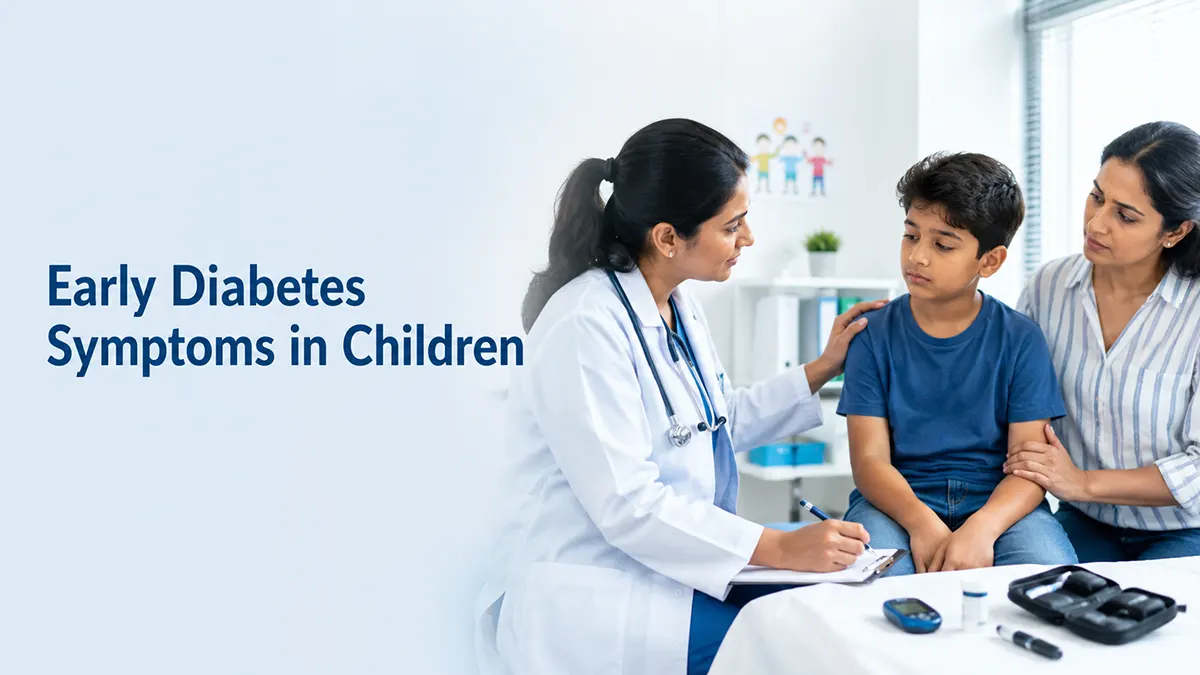
View Doctor Profile →Diabetes Symptoms in Children can develop suddenly, especially in type 1 diabetes, and recognizing the warning signs early may help prevent serious complications such as diabetic ketoacidosis (DKA). Symptoms like excessive thirst, frequent urination, increased hunger, unexplained weight loss, fatigue, and new bedwetting should never be ignored.
Diabetes can affect children of all ages, including infants, toddlers, school-aged children, and teenagers. While type 1 diabetes is the most common form diagnosed in childhood, type 2 diabetes is becoming more common among adolescents because of increasing rates of obesity and insulin resistance.
In this medically reviewed guide, you’ll learn the 12 early diabetes symptoms in children, understand how type 1 and type 2 diabetes differ, discover when to seek emergency medical care, and learn how diabetes is diagnosed and treated.
Table of Contents
What Is Diabetes in Children?
Diabetes is a condition in which the body cannot regulate blood glucose (blood sugar) properly.
There are two main types seen in children:
Type 1 Diabetes
Type 1 diabetes is an autoimmune disease in which the immune system destroys the insulin-producing beta cells in the pancreas. Children with type 1 diabetes require lifelong insulin therapy.
According to the American Diabetes Association (ADA) and the International Society for Pediatric and Adolescent Diabetes (ISPAD), type 1 diabetes is the most common form of diabetes in childhood.
Type 2 Diabetes
Type 2 diabetes develops when the body becomes resistant to insulin and cannot use it effectively. It is more common in adolescents and is associated with risk factors such as obesity, physical inactivity, and a family history of diabetes.
Signs of Diabetes in Men: 12 Early Warning Symptoms You Shouldn’t Ignore
Why Early Recognition Is Important
Children often become seriously ill within days or weeks after symptoms begin, especially with type 1 diabetes.
Early diagnosis can help:
- Prevent diabetic ketoacidosis (DKA)
- Reduce dehydration
- Begin insulin treatment promptly (when needed)
- Lower the risk of serious complications
- Support healthy growth and development
Parents, caregivers, teachers, and healthcare providers should be familiar with the early warning signs.
Signs of Diabetes in Women: 12 Early Warning Symptoms You Shouldn’t Ignore (2026)
Who Is at Higher Risk?
A child may have a higher risk of diabetes if they:
- Have a parent or sibling with diabetes
- Are overweight or obese (particularly for type 2 diabetes)
- Have insulin resistance
- Have acanthosis nigricans (dark skin patches)
- Have high blood pressure or abnormal cholesterol
- Have certain autoimmune diseases (for type 1 diabetes)
Important: Many children diagnosed with type 1 diabetes have no family history, so the absence of risk factors does not rule out diabetes.
1. Increased Thirst (Polydipsia)
One of the earliest and most recognizable symptoms is excessive thirst.
As blood sugar rises, the kidneys remove excess glucose through urine, causing fluid loss and dehydration.
Parents may notice:
- Constant requests for water
- Drinking much more than usual
- Waking at night to drink
- Dry mouth
2. Frequent Urination (Polyuria)
Children with diabetes often urinate more frequently because excess glucose is excreted in the urine.
Signs include:
- Frequent bathroom visits
- Bedwetting in a child who was previously dry at night
- Large amounts of urine
- Frequent diaper changes in infants
New-onset bedwetting in a toilet-trained child is an important warning sign that should not be ignored.
3. Increased Hunger (Polyphagia)
Although blood sugar is elevated, glucose cannot enter the body’s cells effectively because of insufficient insulin or insulin resistance.
As a result, children may:
- Feel hungry all the time
- Eat larger meals
- Request frequent snacks
- Still appear unsatisfied after eating
4. Unexplained Weight Loss
Despite eating normally—or even more than usual—children with untreated type 1 diabetes may lose weight rapidly because the body begins breaking down fat and muscle for energy.
Parents may notice:
- Clothes becoming loose
- Visible weight loss over a short period
- Reduced muscle mass
- Weakness
Unexplained weight loss together with excessive thirst and frequent urination should prompt immediate medical evaluation.
10 Silent Symptoms of High Blood Sugar You Shouldn’t Ignore (2026 Guide)
Why These Symptoms Occur
The classic symptoms of diabetes in children—increased thirst (polydipsia), frequent urination (polyuria), increased hunger (polyphagia), and unexplained weight loss—occur because the body cannot use glucose effectively in the absence of adequate insulin action. This combination is considered a hallmark of new-onset diabetes, particularly type 1 diabetes.
5. Fatigue and Low Energy
Persistent tiredness is one of the most common symptoms of diabetes in children.
Although glucose is present in the bloodstream, it cannot enter the body’s cells efficiently without enough insulin. As a result, the body’s tissues do not receive the energy they need.
Parents may notice:
- Constant tiredness
- Sleeping more than usual
- Lack of interest in play
- Difficulty keeping up with school activities
- Reduced physical activity
Children who are normally active may suddenly become unusually quiet or exhausted.
6. Blurred Vision
High blood sugar can temporarily affect the lens of the eye, making it difficult to focus clearly.
Symptoms may include:
- Complaints of blurry vision
- Difficulty reading
- Holding books very close
- Squinting frequently
- Trouble seeing the classroom board
Although vision often improves once blood sugar is controlled, prolonged high blood sugar can damage the eyes over time if left untreated.
7. Irritability and Mood Changes
Children with diabetes may become irritable or experience sudden changes in mood.
Parents and teachers may notice:
- Increased fussiness
- Frequent crying in younger children
- Mood swings
- Difficulty concentrating
- Behavioral changes
- Reduced interest in favorite activities
These symptoms can occur because the brain depends on a steady supply of glucose for normal function.
8. Slow-Healing Cuts and Frequent Infections
High blood sugar can weaken the immune system and slow wound healing.
Children may develop:
- Cuts that heal slowly
- Frequent skin infections
- Recurrent fungal infections
- Gum infections
- Persistent diaper rash in infants
Repeated infections should prompt evaluation by a healthcare professional.
9. Fruity-Smelling Breath
A fruity or sweet odor on a child’s breath can be a sign of diabetic ketoacidosis (DKA), a serious complication of diabetes.
DKA develops when the body breaks down fat for energy because it cannot use glucose effectively, producing ketones.
This symptom requires immediate emergency medical attention, especially if it occurs with vomiting, rapid breathing, or extreme tiredness.
10. Rapid or Deep Breathing
As diabetic ketoacidosis progresses, children may develop rapid, deep breathing (sometimes called Kussmaul respirations).
Parents should seek emergency care immediately if a child develops:
- Fast, deep breathing
- Difficulty breathing
- Severe weakness
- Confusion
- Persistent vomiting
These symptoms may indicate a life-threatening medical emergency.
Diabetes Guide: Symptoms, Causes, Types, Treatment & Prevention (2026)
11. Nausea, Vomiting, and Abdominal Pain
Many children with newly diagnosed type 1 diabetes experience gastrointestinal symptoms before diagnosis.
These may include:
- Nausea
- Vomiting
- Stomach pain
- Poor appetite
Because these symptoms resemble viral illnesses or food poisoning, diabetes may be overlooked unless blood sugar is checked.
12. Dark Skin Patches (Acanthosis Nigricans)
Children with type 2 diabetes or insulin resistance may develop dark, velvety patches of skin known as acanthosis nigricans.
These patches commonly appear on:
- The back of the neck
- Underarms
- Groin
- Elbows
- Knees
Acanthosis nigricans is associated with insulin resistance and should prompt medical evaluation, although it can occur with other medical conditions as well.
Best Breakfast for Diabetes: What to Eat & What to Avoid in the Morning
Type 1 vs. Type 2 Diabetes Symptoms in Children
| Feature | Type 1 Diabetes | Type 2 Diabetes |
|---|---|---|
| Symptom onset | Usually sudden | Often gradual |
| Weight | Often normal or weight loss | Often overweight or obesity |
| Insulin production | Very low or absent | Present but less effective (insulin resistance) |
| DKA at diagnosis | More common | Less common, but possible |
| Typical age | Childhood and adolescence | More common in adolescents |
When Should Parents Seek Emergency Care?
Seek emergency medical attention immediately if your child has:
- Fruity-smelling breath
- Rapid or deep breathing
- Severe vomiting
- Extreme sleepiness
- Confusion
- Difficulty waking up
- Severe dehydration
- Loss of consciousness
These symptoms may indicate diabetic ketoacidosis (DKA), which requires urgent hospital treatment.
Diagnosis: How Is Diabetes Diagnosed in Children?
If a child develops symptoms such as excessive thirst, frequent urination, unexplained weight loss, or persistent fatigue, a healthcare professional should evaluate them promptly. Early diagnosis can prevent serious complications, especially diabetic ketoacidosis (DKA).
Doctors diagnose diabetes using a combination of symptoms, physical examination, and blood glucose tests.
Common Tests Used to Diagnose Diabetes
1. Fasting Blood Sugar (FBS)
This test measures blood glucose after the child has not eaten for at least 8 hours.
| Result | Blood Sugar |
|---|---|
| Normal | Less than 100 mg/dL |
| Prediabetes | 100–125 mg/dL |
| Diabetes | 126 mg/dL or higher (confirmed if necessary) |
2. Hemoglobin A1C Test
The A1C test estimates the average blood sugar level over the previous 2–3 months.
| A1C Result | Meaning |
|---|---|
| Below 5.7% | Normal |
| 5.7%–6.4% | Prediabetes |
| 6.5% or higher | Diabetes |
Children suspected of having type 1 diabetes often require additional laboratory tests because diagnosis should not rely solely on A1C.
Beyond the Diagnosis: 5 Life-Changing Shifts for Managing Type 2 Diabetes in 2026
3. Random Blood Sugar Test
A random blood glucose level of 200 mg/dL (11.1 mmol/L) or higher, together with classic symptoms of diabetes, strongly suggests diabetes and requires prompt medical evaluation.
4. Additional Tests for Type 1 Diabetes
When type 1 diabetes is suspected, doctors may also order:
- Ketone testing (blood or urine)
- Diabetes-related autoantibody tests
- C-peptide test (in selected cases)
- Blood gas testing if diabetic ketoacidosis is suspected
These tests help distinguish type 1 diabetes from type 2 diabetes and assess the severity of illness.
How Is Diabetes Treated in Children?
Treatment depends on the type of diabetes.
Type 1 Diabetes
Children with type 1 diabetes require lifelong insulin because their bodies no longer produce enough insulin.
Treatment usually includes:
- Insulin therapy
- Blood glucose monitoring
- Continuous glucose monitoring (CGM) for many children
- Healthy meal planning
- Regular physical activity
- Ongoing diabetes education
Type 2 Diabetes
Treatment may include:
- Healthy lifestyle changes
- Weight management (when appropriate)
- Increased physical activity
- Blood sugar monitoring
- Medications such as metformin in selected children
- Insulin if required
Treatment decisions should always be individualized by a pediatric diabetes specialist.
Healthy Lifestyle Tips for Children with Diabetes
Good daily habits support healthy growth and improve blood sugar management.
Encourage Healthy Eating
Offer balanced meals that include:
- Vegetables
- Fruits
- Whole grains
- Lean protein
- Low-fat dairy (when appropriate)
- Healthy fats
Limit:
- Sugar-sweetened beverages
- Highly processed snacks
- Foods high in added sugars
Children should not be placed on restrictive diets without medical guidance.
Encourage Regular Physical Activity
The World Health Organization (WHO) recommends that children and adolescents average at least 60 minutes of moderate-to-vigorous physical activity daily.
Activities may include:
- Outdoor play
- Cycling
- Swimming
- Football
- Dancing
- Running
Exercise improves overall health and helps support healthy blood sugar control.
Monitor Blood Sugar
Parents should follow the child’s individualized diabetes care plan for:
- Blood glucose monitoring
- Continuous glucose monitor (CGM) use, if prescribed
- Insulin administration (for type 1 diabetes)
- Recognizing high and low blood sugar symptoms
Can Diabetes Be Prevented?
Type 1 Diabetes
Current scientific evidence indicates that type 1 diabetes cannot be prevented.
Researchers continue to study ways to delay or prevent the disease in high-risk individuals, but no proven prevention strategy exists for the general population.
Type 2 Diabetes
Many cases of type 2 diabetes can be delayed or prevented by:
- Maintaining a healthy weight
- Encouraging daily physical activity
- Eating a balanced diet
- Reducing sugary drinks
- Limiting sedentary screen time
- Attending regular medical checkups
When Should Parents See a Doctor?
Arrange a medical evaluation promptly if your child has:
- Excessive thirst
- Frequent urination
- New bedwetting
- Increased hunger
- Unexplained weight loss
- Persistent fatigue
- Blurred vision
- Frequent infections
- Slow-healing wounds
When Should Parents Call Emergency Services?
Seek emergency medical care immediately if your child develops:
- Fruity-smelling breath
- Rapid or deep breathing
- Persistent vomiting
- Severe abdominal pain
- Extreme drowsiness
- Confusion
- Difficulty waking
- Loss of consciousness
These symptoms may indicate diabetic ketoacidosis (DKA) and require immediate hospital treatment.
1. What are the first signs of diabetes in children?
The earliest symptoms are increased thirst, frequent urination, increased hunger, unexplained weight loss, and fatigue.
2. Can diabetes develop suddenly in children?
Yes. Type 1 diabetes often develops rapidly over days or weeks.
3. Is bedwetting a sign of diabetes?
Yes. New bedwetting in a child who was previously dry at night can be an early symptom of diabetes.
4. What is diabetic ketoacidosis (DKA)?
DKA is a life-threatening complication caused by severe insulin deficiency, leading to high blood sugar, ketone production, dehydration, and acid buildup in the blood.
5. Can children get type 2 diabetes?
Yes. Type 2 diabetes is becoming more common in adolescents, especially those with obesity and insulin resistance.
6. Can diabetes affect a child’s growth?
Poorly controlled diabetes may affect normal growth and development. Appropriate treatment and regular follow-up help children grow and develop normally.
7. How is type 1 diabetes different from type 2 diabetes?
Type 1 diabetes results from autoimmune destruction of insulin-producing cells and requires insulin therapy. Type 2 diabetes primarily involves insulin resistance and may initially be managed with lifestyle changes and medications.
8. Can diabetes be cured?
There is currently no cure for either type 1 or type 2 diabetes. However, diabetes can be effectively managed with appropriate treatment and healthy lifestyle habits.
9. Should every child with symptoms be tested?
Children with symptoms suggestive of diabetes should be evaluated promptly by a healthcare professional. Early testing helps prevent serious complications.
10. When should parents seek emergency care?
Immediate emergency care is needed if a child has fruity-smelling breath, rapid breathing, persistent vomiting, severe drowsiness, confusion, or loss of consciousness.
Conclusion
Recognizing diabetes symptoms in children can make a life-saving difference. Classic warning signs—including increased thirst, frequent urination, increased hunger, unexplained weight loss, fatigue, blurred vision, and new bedwetting—should never be ignored.
Because type 1 diabetes can progress rapidly to diabetic ketoacidosis (DKA), prompt medical evaluation is essential whenever diabetes is suspected. Early diagnosis, appropriate treatment, and ongoing follow-up help children maintain healthy growth, participate fully in school and activities, and reduce the risk of long-term complications.
If your child develops persistent symptoms of diabetes or signs of a medical emergency, seek immediate medical care.
References
This article is based on current recommendations from internationally recognized medical organizations and peer-reviewed evidence, including:
- American Diabetes Association (ADA) Standards of Care
- Centers for Disease Control and Prevention (CDC)
- National Institute of Diabetes and Digestive and Kidney Diseases (NIDDK)
- World Health Organization (WHO)
Medically Reviewed By
Dr. Ch. Srujith, MBBS, MD (General Medicine)
General Physician & Diabetologist | 15+ Years of Clinical Experience | Hyderabad, India
This article has been medically reviewed for medical accuracy and reflects current evidence-based recommendations available as of 2026. It is intended for educational purposes only and should not replace personalized medical advice, diagnosis, or treatment. For concerns about diabetes or blood sugar management, consult a qualified healthcare professional.
Author
Yamanandan Reddy
Health Content Writer & Frontend Developer
Yamanandan Reddy is a health content writer and frontend developer with over 4 years of experience in website design and digital content creation. He writes research-based health articles to help readers understand symptoms, causes, treatments, and prevention methods related to common health conditions.
⚠️ Medical Disclaimer
This content is for informational purposes only and does not replace professional medical advice. Always consult a qualified healthcare provider for diagnosis and treatment.
3 thoughts on “Diabetes Symptoms in Children: Early Warning Signs Every Parent Should Know”