Medically Reviewed By
Dr. Ch. Srujith, MBBS, MD (General Medicine)
General Physician & Diabetologist | 15+ Years Experience
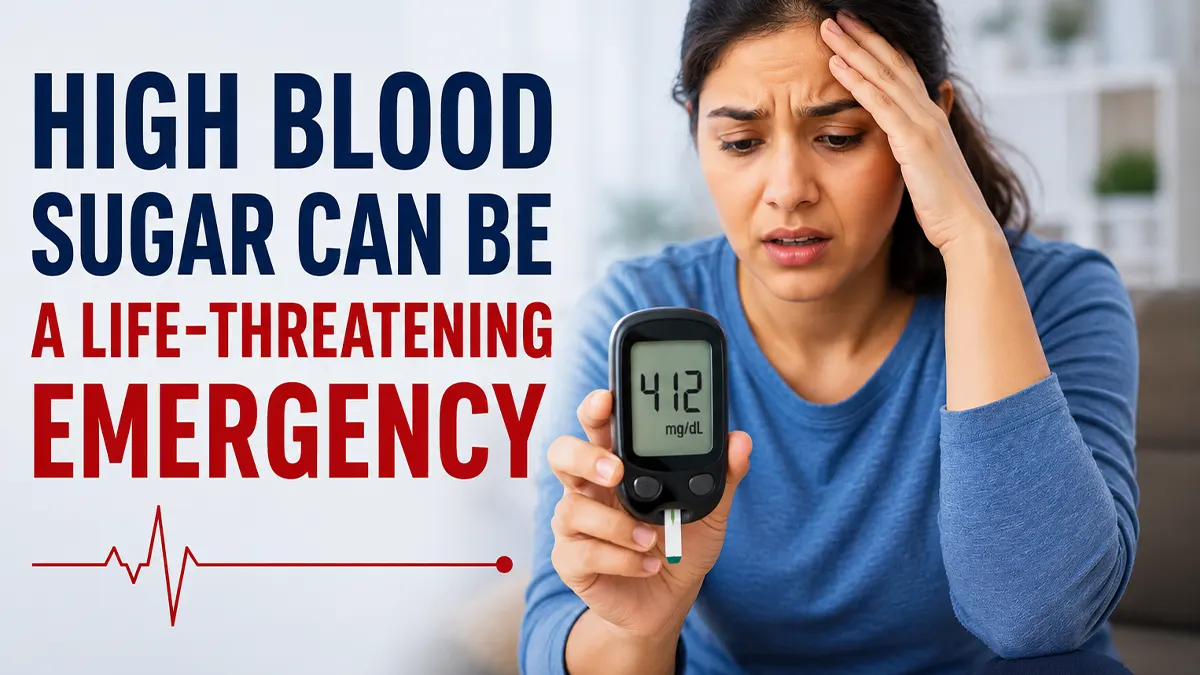
View Doctor Profile →When High Blood Sugar Becomes an Emergency is an important question for anyone living with diabetes. A temporary rise in glucose may sometimes be managed according to an individual’s diabetes care plan, but very high blood sugar accompanied by ketones, vomiting, dehydration, breathing changes, confusion, or severe weakness can signal a life-threatening hyperglycemic crisis.
The two major hyperglycemic emergencies are diabetic ketoacidosis (DKA) and hyperosmolar hyperglycemic state (HHS). DKA is particularly associated with insulin deficiency and is more common in type 1 diabetes, although it can also occur in people with type 2 diabetes. HHS is more commonly associated with type 2 diabetes and involves severe hyperglycemia and profound dehydration.
These conditions require urgent medical assessment and hospital treatment. They should not be treated at home by simply waiting for blood glucose to fall.
Table of Contents
What Blood Sugar Level Is an Emergency?
There is no single blood glucose number that, by itself, determines whether someone is having a medical emergency.
The clinical situation matters, including:
- Blood glucose level
- Presence of ketones
- Symptoms
- Hydration status
- Mental status
- Breathing pattern
- Underlying diabetes type
- Whether the person is ill or has an infection
For example, the American Diabetes Association’s 2026 DKA educational guidance advises people with possible DKA to check blood glucose and ketones and notes that blood glucose above 240 mg/dL can be a warning level requiring attention, particularly when ketones or DKA symptoms are present.
CDC educational material similarly describes blood glucose above 240 mg/dL on repeated checks, particularly with ketones and DKA symptoms, as a situation requiring immediate medical attention.
Importantly, DKA can occasionally occur without extremely high blood glucose, so symptoms and ketone levels cannot be ignored simply because the glucose reading is below a particular number.
Diabetes Symptoms in Children: Early Warning Signs Every Parent Should Know
What Is Hyperglycemia?
Hyperglycemia means that blood glucose is higher than the target range recommended for an individual.
It can happen because of:
- Missed or insufficient insulin
- Illness or infection
- Physical or emotional stress
- Certain medications, including corticosteroids
- Dehydration
- Problems with insulin pumps or infusion sets
- Eating more carbohydrate than planned
- Insulin resistance
- Previously undiagnosed diabetes
Mild or moderate hyperglycemia does not always constitute an emergency.
The concern increases when glucose becomes very high, remains elevated, or is accompanied by ketones, dehydration, vomiting, breathing difficulties, altered mental status, or other serious symptoms.
What Makes High Blood Sugar Dangerous?
When insulin is severely deficient, the body cannot use glucose normally for energy.
Instead, it begins breaking down fat, producing ketones.
If ketones accumulate, the blood becomes acidic, resulting in diabetic ketoacidosis (DKA).
At the same time, very high glucose causes the kidneys to remove more glucose through urine. This increases fluid loss and can result in severe dehydration.
The combination of metabolic disturbances and dehydration can become life-threatening.
Signs of Diabetes in Men: 12 Early Warning Symptoms You Shouldn’t Ignore
1. Diabetic Ketoacidosis (DKA)
Diabetic ketoacidosis is a serious and potentially life-threatening complication of diabetes.
It occurs when there is insufficient effective insulin, causing increased fat breakdown and ketone production.
DKA is especially associated with type 1 diabetes, but it can also occur in people with type 2 diabetes.
Common DKA warning signs include:
- Very high blood glucose
- Moderate or high ketones
- Excessive thirst
- Frequent urination
- Dry mouth or dehydration
- Nausea
- Vomiting
- Abdominal pain
- Fruity-smelling breath
- Rapid or deep breathing
- Severe fatigue
- Confusion or unusual sleepiness
CDC guidance lists thirst, frequent urination, fatigue, nausea, vomiting, abdominal pain, difficulty breathing, fruity-smelling breath, confusion, and high ketone levels among signs associated with DKA.
Signs of Diabetes in Women: 12 Early Warning Symptoms You Shouldn’t Ignore (2026)
2. Hyperosmolar Hyperglycemic State (HHS)
Hyperosmolar hyperglycemic state (HHS) is another serious hyperglycemic emergency.
It is more commonly associated with type 2 diabetes and is characterized by extremely high blood glucose, severe dehydration, and increased blood osmolality, generally without significant ketoacidosis.
The CDC describes HHS as involving severe hyperglycemia, typically above 600 mg/dL, hyperosmolarity, and dehydration.
Symptoms may include:
- Extreme thirst
- Frequent urination initially
- Severe dehydration
- Weakness
- Confusion
- Drowsiness
- Vision changes
- Neurological symptoms
- Loss of consciousness in severe cases
HHS can develop over days or even weeks and requires urgent hospital treatment.
DKA vs HHS: What’s the Difference?
| Feature | DKA | HHS |
|---|---|---|
| More commonly associated with | Type 1 diabetes | Type 2 diabetes |
| Insulin deficiency | Significant | Relative insulin deficiency |
| Ketones | Usually elevated | Usually absent or much lower |
| Blood glucose | Often markedly elevated | Usually extremely elevated |
| Dehydration | Common | Often profound |
| Acidosis | Present | Usually absent or less prominent |
| Mental-status changes | Can occur | Often prominent in severe cases |
| Treatment | Hospital emergency treatment | Hospital emergency treatment |
These are general distinctions. A person can have overlapping features, and diagnosis requires medical assessment and laboratory testing.
10 Silent Symptoms of High Blood Sugar You Shouldn’t Ignore (2026 Guide)
3. Vomiting With High Blood Sugar
Vomiting should never be ignored when blood glucose is substantially elevated.
Vomiting can:
- Increase dehydration
- Make it difficult to keep fluids down
- Make diabetes management more difficult
- Occur as part of DKA
If high blood sugar is accompanied by repeated vomiting, abdominal pain, ketones, fruity-smelling breath, or abnormal breathing, urgent medical evaluation is necessary.
4. Fruity-Smelling Breath
A fruity or acetone-like odor on the breath can occur when ketones accumulate.
This can be a warning sign of DKA, particularly when accompanied by:
- High blood glucose
- Ketones
- Nausea or vomiting
- Abdominal pain
- Rapid or deep breathing
- Severe weakness
This combination should be treated as an emergency rather than something to monitor at home.
5. Rapid or Deep Breathing
Rapid or unusually deep breathing can occur when the body is attempting to compensate for the metabolic acidosis associated with DKA.
If someone with diabetes develops:
high blood glucose + ketones + rapid/deep breathing
they should receive urgent medical evaluation.
🚨 When to Go to the Emergency Department
Seek immediate emergency medical care if a person with diabetes develops high blood sugar together with:
- Moderate or high ketones
- Persistent vomiting
- Severe abdominal pain
- Difficulty or unusually deep/rapid breathing
- Fruity-smelling breath
- Confusion
- Severe drowsiness
- Fainting or loss of consciousness
- Severe dehydration
- Inability to keep fluids down
The ADA’s 2026 DKA guidance specifically advises people who think they may be experiencing DKA to contact a doctor or go to an urgent care facility or emergency department.
Diabetes Guide: Symptoms, Causes, Types, Treatment & Prevention (2026)
Important: Don’t Exercise When Ketones Are High
If blood glucose is high and ketones are present, do not try to lower glucose by exercising unless a healthcare professional specifically instructs you to do so.
Exercise can potentially increase ketone production when there is significant insulin deficiency.
Follow your individualized sick-day or hyperglycemia plan and seek medical advice when indicated. CDC guidance specifically warns against exercising when urine ketones are high and blood glucose is high.
What Should You Do When Blood Sugar Is Very High?
If your blood glucose is significantly above your usual target, don’t panic—but don’t ignore it either. The appropriate response depends on your diabetes treatment plan, symptoms, ketone levels, and whether you are sick.
For many people with diabetes, blood glucose above 180 mg/dL is considered high, but an isolated high reading is not necessarily an emergency. Very high glucose accompanied by ketones or serious symptoms is much more concerning.
Step 1: Recheck Your Blood Glucose
If a reading seems unexpectedly high, follow your usual glucose-monitoring plan and recheck as recommended by your healthcare team.
If you use a continuous glucose monitor (CGM), consider confirming an unexpected reading with a blood glucose meter when appropriate, particularly if the reading does not match how you feel.
Step 2: Check for Ketones When Appropriate
Ketones are particularly important when blood glucose is high or when you are sick.
Ketones can be checked using:
- Blood ketone meter
- Urine ketone strips
The American Diabetes Association advises checking ketones when you are unwell and when glucose remains elevated; its current patient guidance notes ≥250 mg/dL for at least 2 hours as a situation in which ketone testing should be considered, with individualized lower thresholds in some circumstances.
Your personal diabetes team may give you a different threshold, so follow your individualized sick-day plan.
What Do High Ketones Mean?
Ketones indicate that your body is using fat for energy because it does not have enough effective insulin available to use glucose normally.
A small or moderate ketone elevation does not automatically mean DKA, but rising ketones can be an early warning that DKA is developing.
High ketones combined with:
- Vomiting
- Abdominal pain
- Heavy or rapid breathing
- Confusion
- Extreme fatigue
- Fruity-smelling breath
are particularly concerning for DKA.
What If Ketones Are High?
If your ketones are elevated, follow the sick-day or ketone-management plan provided by your diabetes team.
Depending on your individualized plan, this may involve:
- Continuing insulin as prescribed
- Taking correction insulin according to your prescribed plan
- Drinking fluids if you can safely do so
- Rechecking glucose and ketones
- Contacting your healthcare team
Do not independently change or stop insulin doses unless your healthcare professional has instructed you to do so.
The ADA specifically advises people with diabetes to continue insulin as directed and seek medical care when ketones remain high, symptoms worsen, or severe symptoms develop.
Why You Shouldn’t Exercise With High Ketones
Exercise can sometimes help lower blood glucose, but exercise is not appropriate when significant ketones are present.
The American Diabetes Association advises checking for ketones when glucose is above 240 mg/dL and avoiding exercise if ketones are present.
This is important because exercise during significant insulin deficiency can potentially increase ketone production.
Illness Can Trigger a Hyperglycemic Emergency
Infections and other illnesses can make blood glucose harder to control.
During illness, the body releases stress hormones that can increase glucose levels and increase insulin requirements.
People with diabetes should therefore have a sick-day management plan that explains:
- How frequently to check glucose
- When to check ketones
- How to maintain hydration
- How to take diabetes medication
- When to contact their healthcare team
- When to go to an emergency department
NIDDK recommends discussing sick-day and emergency plans with your diabetes care team.
Common Triggers of DKA
DKA can occur when the body does not have enough effective insulin.
Possible triggers include:
1. Missed Insulin
Missing insulin doses can cause glucose and ketone levels to rise.
2. Infection or Illness
Illness can increase the body’s insulin requirements.
3. Insulin Pump Problems
An interrupted insulin supply caused by pump or infusion-set problems can increase DKA risk, particularly in people who depend on rapid-acting insulin.
4. Dehydration
Dehydration can make hyperglycemia more difficult to manage.
5. Certain Medications
Some medicines can increase the risk of hyperglycemia or DKA in susceptible people. SGLT2 inhibitors, for example, are associated with a risk of DKA, including cases in which glucose may not be extremely high.
Can DKA Happen Without Extremely High Blood Sugar?
Yes.
DKA is usually associated with significant hyperglycemia, but it can occasionally occur with lower-than-expected glucose levels, known as euglycemic DKA.
This is particularly important for people taking certain medications, including SGLT2 inhibitors.
Therefore, a glucose number alone cannot completely rule out DKA if someone has symptoms such as vomiting, abdominal pain, rapid breathing, or high ketones.
High Blood Sugar During Pregnancy
Pregnancy requires additional caution because diabetes management can change significantly during pregnancy.
Pregnant people with diabetes should have an individualized plan for:
- Blood glucose monitoring
- Ketone testing when indicated
- Medication or insulin adjustments
- Illness management
- Emergency symptoms
If you are pregnant and have significantly elevated glucose, vomiting, ketones, or symptoms suggestive of DKA, contact your healthcare team promptly or seek emergency medical care as instructed.
Children and High Blood Sugar Emergencies
Children with newly developing type 1 diabetes can present with DKA, sometimes before diabetes has been diagnosed.
Parents should pay particular attention to:
- Excessive thirst
- Frequent urination
- New bedwetting
- Unexplained weight loss
- Fatigue
- Vomiting
- Abdominal pain
- Fruity-smelling breath
- Rapid or deep breathing
- Unusual sleepiness or confusion
DKA can develop quickly in children and requires urgent hospital treatment. NIDDK identifies DKA as a medical emergency and notes that it can be the presenting condition in children with type 1 diabetes.
When High Blood Sugar Is an Emergency
🚨 Seek emergency medical care immediately if high blood sugar is accompanied by:
Moderate or high ketones
AND/OR
- Repeated vomiting
- Severe abdominal pain
- Heavy or rapid breathing
- Fruity-smelling breath
- Confusion
- Extreme weakness or fatigue
- Severe dehydration
- Difficulty staying awake
- Fainting or loss of consciousness
These symptoms can indicate DKA or another serious metabolic complication.
Don’t Wait for the Number to Become “High Enough”
One important misconception is that someone should wait until glucose reaches a particular number before seeking help.
That’s unsafe.
The combination of glucose level, ketones, symptoms, hydration status, and mental status matters more than a single glucose reading.
For example, a person with vomiting and high ketones needs urgent assessment even if their glucose is not extraordinarily high.
What Happens in the Hospital?
If DKA or HHS is suspected, healthcare professionals may check:
- Blood glucose
- Blood or urine ketones
- Electrolytes
- Kidney function
- Blood acidity
- Hydration status
- Vital signs
- Mental status
- Possible underlying infection or other trigger
Treatment generally involves carefully monitored fluids, insulin, and correction of electrolyte abnormalities, depending on the specific condition.
DKA and HHS require medical supervision because treatment can cause rapid changes in glucose, fluids, and electrolytes.
How Can High Blood Sugar Emergencies Be Prevented?
You can reduce the risk by:
Follow Your Diabetes Treatment Plan
Take insulin and other prescribed medicines according to your healthcare team’s instructions.
Monitor Blood Glucose
Regular monitoring can help identify rising glucose before it becomes severe.
Check Ketones When Advised
Keep blood or urine ketone testing supplies available if your healthcare team recommends them.
Have a Sick-Day Plan
Know in advance what to do when you develop:
- Fever
- Vomiting
- Diarrhea
- Infection
- Poor appetite
- Persistently high glucose
Stay Hydrated
Adequate fluid intake can help reduce dehydration during periods of elevated glucose, provided you have no medical restriction on fluid intake.
Know Your Emergency Symptoms
Family members and caregivers should know the warning signs of DKA and HHS.
How Doctors Diagnose DKA or HHS
A person with very high blood sugar and concerning symptoms needs medical evaluation. Doctors do not diagnose DKA or HHS from a glucose reading alone. They assess the person’s symptoms, hydration, mental status, blood glucose, ketones, electrolytes, and acid-base status.
Tests may include:
- Blood glucose
- Blood ketones, particularly beta-hydroxybutyrate
- Urine ketones
- Electrolytes such as sodium and potassium
- Kidney function tests
- Blood pH or bicarbonate
- Serum osmolality when HHS is suspected
- Tests to identify triggers such as infection
DKA involves ketone accumulation and metabolic acidosis, while HHS is characterized primarily by severe hyperglycemia, dehydration, and hyperosmolality.
What Happens During DKA Treatment?
DKA requires hospital-level medical treatment.
Treatment generally involves carefully monitored:
1. IV Fluids
Severe hyperglycemia causes significant fluid loss through urination. Intravenous fluids help correct dehydration and support circulation.
2. Insulin
Insulin stops the process that produces excessive ketones and helps lower blood glucose.
3. Electrolyte Replacement
DKA can cause major changes in electrolytes, particularly potassium. Doctors monitor blood levels and replace electrolytes when necessary.
4. Treatment of the Trigger
Doctors also look for and treat the reason DKA developed, such as:
- Infection
- Missed insulin
- Insulin-delivery problems
- Other acute illness
- Certain medications
The ADA describes IV fluids, insulin therapy, and careful medical monitoring as typical components of DKA treatment.
What Happens During HHS Treatment?
HHS also requires urgent hospital treatment.
Treatment focuses on correcting:
- Severe dehydration
- Extremely high blood glucose
- Electrolyte abnormalities
- The underlying trigger
Because glucose and fluid levels can change substantially during treatment, patients require close medical monitoring.
Can High Blood Sugar Be an Emergency Without DKA?
Yes.
Very high blood glucose can cause severe dehydration and changes in mental status even without classic DKA.
This is particularly important in HHS, which is more commonly associated with type 2 diabetes.
Symptoms can include:
- Extreme thirst
- Frequent urination
- Severe weakness
- Dehydration
- Blurred vision
- Confusion
- Drowsiness
- Seizures in severe cases
- Loss of consciousness
NIDDK notes that very high blood glucose can lead to confusion or fainting and can become a serious medical emergency.
What About High Blood Sugar Without Serious Symptoms?
A high glucose reading without emergency symptoms does not automatically mean you need an emergency department.
For example, if your glucose is above your usual target but you feel well and have no concerning ketones, follow the individualized diabetes-management plan provided by your healthcare team.
This may include:
- Rechecking glucose
- Taking prescribed medication or insulin according to your plan
- Drinking appropriate fluids
- Checking ketones when your care plan recommends it
- Contacting your diabetes care team if glucose remains high
Do not take extra insulin or medication beyond your prescribed correction plan unless your healthcare professional has instructed you to do so.
NIDDK notes that individual blood glucose targets vary and recommends working with a healthcare team to develop an appropriate diabetes care plan.
Sick-Day Rules Matter
Illness can make blood glucose harder to control because the body releases stress hormones that can increase glucose and insulin requirements.
If you have diabetes and become sick, your healthcare team may recommend:
- Checking glucose more frequently
- Checking ketones
- Staying hydrated
- Continuing prescribed insulin
- Monitoring for vomiting or breathing changes
- Contacting your healthcare team when specified thresholds are reached
The ADA recommends having a sick-day or ketone-management plan before illness occurs.
What Should You Keep at Home?
People at risk of hyperglycemic emergencies may benefit from keeping appropriate diabetes supplies available, depending on their treatment plan.
These can include:
- Blood glucose meter and strips
- CGM supplies, if prescribed
- Blood ketone meter or urine ketone strips
- Prescribed insulin and diabetes medicines
- Written sick-day instructions
- Emergency contact information
- Medical identification
Your healthcare team can tell you which supplies are appropriate for your situation.
Common Mistakes to Avoid
❌ Don’t Ignore Repeated High Readings
Repeated hyperglycemia may indicate that your treatment plan needs adjustment or that an illness is developing.
❌ Don’t Ignore Ketones
Ketones can be an early warning sign of DKA. Rising ketones require prompt action according to your ketone-management plan.
❌ Don’t Exercise When Significant Ketones Are Present
Exercise during significant insulin deficiency can worsen ketone production. Follow your healthcare team’s instructions instead.
❌ Don’t Stop Insulin on Your Own
People with type 1 diabetes generally need insulin even when they are sick. Your healthcare team should provide individualized sick-day instructions.
❌ Don’t Wait for Severe Symptoms
DKA can worsen quickly. Early recognition and treatment are important.
DKA Warning Signs: Quick Checklist
If you have diabetes, remember these warning signs:
| Warning sign | Why it matters |
|---|---|
| High glucose | May indicate significant hyperglycemia |
| High ketones | Early warning of possible DKA |
| Nausea/vomiting | Common DKA symptom |
| Abdominal pain | Can occur with DKA |
| Fruity-smelling breath | Can indicate ketone accumulation |
| Rapid/heavy breathing | Possible metabolic acidosis |
| Severe dehydration | Can accompany DKA/HHS |
| Confusion | May indicate severe metabolic disturbance |
| Extreme drowsiness | Potential emergency |
| Fainting | Requires immediate emergency care |
These symptoms are supported by ADA and NIDDK guidance.
When to Call for Emergency Help
Seek emergency medical care immediately if a person with diabetes has:
🚨 High or rising ketones with worsening symptoms
🚨 Repeated vomiting or inability to keep fluids down
🚨 Heavy or rapid breathing
🚨 Fruity-smelling breath
🚨 Severe abdominal pain
🚨 Confusion or difficulty staying awake
🚨 Fainting or loss of consciousness
🚨 Severe dehydration
The ADA identifies DKA as a medical emergency requiring immediate care.
If someone is unconscious, severely confused, or having serious breathing difficulties, do not try to manage the situation at home.
Frequently Asked Questions
1. What blood sugar level is considered an emergency?
There is no single glucose number that determines an emergency by itself. Very high glucose becomes particularly concerning when accompanied by ketones, vomiting, dehydration, abnormal breathing, confusion, or other serious symptoms.
2. Is 300 mg/dL an emergency?
A glucose reading of 300 mg/dL is significantly high, but the urgency depends on symptoms, ketones, diabetes type, and the person’s clinical situation. Check ketones when recommended and follow your individualized high-glucose plan. Seek urgent medical care if serious symptoms or significant ketones are present.
3. Is 400 mg/dL an emergency?
A glucose level around 400 mg/dL is very high and warrants prompt attention. If it is accompanied by ketones, vomiting, breathing difficulty, dehydration, confusion, or severe weakness, seek emergency medical care.
4. Can high blood sugar cause vomiting?
Yes. Vomiting can occur with DKA and is particularly concerning when accompanied by high glucose, ketones, abdominal pain, fruity breath, or abnormal breathing.
5. What are the emergency symptoms of DKA?
Important warning signs include nausea, vomiting, abdominal pain, fruity-smelling breath, rapid or heavy breathing, severe fatigue, confusion, dehydration, and elevated ketones.
6. Can DKA happen in type 2 diabetes?
Yes. Although DKA is most commonly associated with type 1 diabetes, it can also occur in some people with type 2 diabetes.
7. Can DKA happen without extremely high blood sugar?
Yes. Certain situations, including the use of SGLT2 inhibitors, can be associated with euglycemic DKA. Therefore, symptoms and ketones should not be ignored simply because glucose is not extremely high.
8. Should I exercise when my blood sugar is high?
If significant ketones are present, do not exercise. Follow your diabetes care team’s instructions for managing high glucose and ketones.
9. Should I stop insulin when I am sick?
People with insulin-dependent diabetes should not stop insulin on their own. Follow the sick-day plan provided by your healthcare team.
10. How can diabetic emergencies be prevented?
Regular glucose monitoring, appropriate medication use, ketone testing when advised, hydration, a sick-day plan, and knowing the warning signs of DKA and HHS can reduce the risk of severe complications.
Conclusion
Knowing when high blood sugar becomes an emergency can help people with diabetes recognize dangerous complications before they become life-threatening.
A high glucose reading alone does not always mean an emergency. However, high or rising glucose combined with ketones, vomiting, dehydration, fruity-smelling breath, rapid or heavy breathing, confusion, severe weakness, or loss of consciousness requires urgent medical attention.
DKA and HHS are medical emergencies that require hospital treatment. Do not attempt to treat severe symptoms at home or wait for blood sugar to normalize on its own.
If you have diabetes, work with your healthcare professional to create a personalized sick-day and ketone-management plan, and make sure family members know the warning signs that require emergency care.
References
This article is based on current recommendations from internationally recognized medical organizations and peer-reviewed evidence, including:
- American Diabetes Association (ADA) Standards of Care
- Centers for Disease Control and Prevention (CDC)
- National Institute of Diabetes and Digestive and Kidney Diseases (NIDDK)
- World Health Organization (WHO)
Medically Reviewed By
Dr. Ch. Srujith, MBBS, MD (General Medicine)
General Physician & Diabetologist | 15+ Years of Clinical Experience | Hyderabad, India
This article has been medically reviewed for medical accuracy and reflects current evidence-based recommendations available as of 2026. It is intended for educational purposes only and should not replace personalized medical advice, diagnosis, or treatment. For concerns about diabetes or blood sugar management, consult a qualified healthcare professional.
Author
Yamanandan Reddy
Health Content Writer & Frontend Developer
Yamanandan Reddy is a health content writer and frontend developer with over 4 years of experience in website design and digital content creation. He writes research-based health articles to help readers understand symptoms, causes, treatments, and prevention methods related to common health conditions.
⚠️ Medical Disclaimer
This content is for informational purposes only and does not replace professional medical advice. Always consult a qualified healthcare provider for diagnosis and treatment.
3 thoughts on “When High Blood Sugar Becomes an Emergency: Warning Signs, DKA & HHS (2026)”