
Medically Reviewed By
Dr. Ch. Srujith, MBBS, MD (General Medicine)
General Physician & Diabetologist | 15+ Years Experience
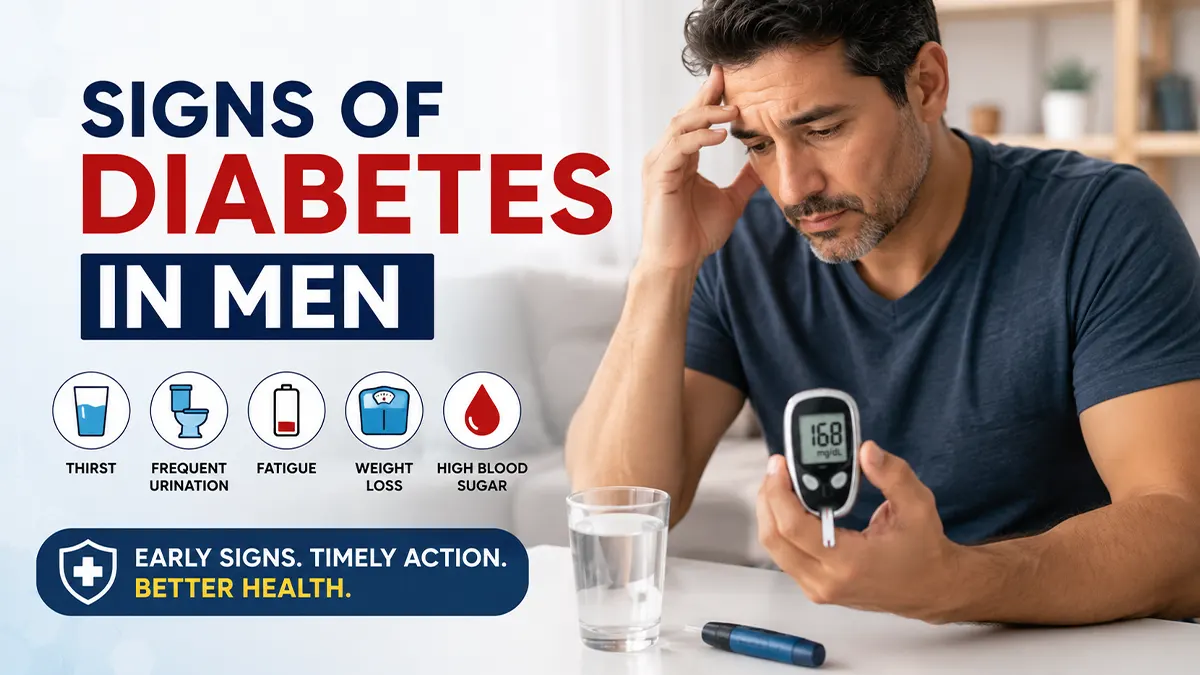
View Doctor Profile →Diabetes affects millions of men worldwide, and many early symptoms develop gradually. Fatigue, excessive thirst, frequent urination, and unexplained weight loss are often mistaken for stress, aging, poor sleep, or a demanding work schedule. As a result, many men are diagnosed only after diabetes has already affected their heart, kidneys, eyes, nerves, or blood vessels.
While many symptoms are similar in both men and women, men may also experience diabetes-related problems such as erectile dysfunction, reduced sexual desire, and low testosterone levels, particularly when blood sugar remains poorly controlled for a long period. Recognizing these warning signs early can help improve blood sugar control and reduce the risk of long-term complications.
In this medically reviewed guide, you’ll learn the 12 early signs of diabetes in men, understand why they occur, identify common risk factors, and know when to seek medical advice.
Table of Contents
What Is Diabetes?
Diabetes is a chronic metabolic disease that affects how the body uses glucose (blood sugar) for energy.
Normally, the pancreas produces insulin, a hormone that helps glucose move from the bloodstream into the body’s cells. In diabetes, the body either produces too little insulin or cannot use insulin effectively (insulin resistance). This causes glucose to build up in the blood instead of being used for energy.
The main types of diabetes include:
- Type 1 diabetes
- Type 2 diabetes
- Prediabetes
- Gestational diabetes (occurs during pregnancy)
If left untreated, diabetes can increase the risk of heart disease, stroke, kidney disease, nerve damage, vision loss, and other serious complications.
10 Silent Symptoms of High Blood Sugar You Shouldn’t Ignore (2026 Guide)
Why Diabetes Symptoms Can Be Different in Men
Many diabetes symptoms affect both men and women. However, men may experience additional symptoms related to hormone levels, nerve function, and sexual health.
Persistently elevated blood sugar can contribute to:
- Erectile dysfunction
- Reduced libido (sex drive)
- Low testosterone levels
- Reduced fertility in some men
- Muscle weakness
These symptoms may develop gradually and are sometimes overlooked or attributed to aging or stress.
Signs of Diabetes in Women: 12 Early Warning Symptoms You Shouldn’t Ignore (2026)
Who Is at Higher Risk?
Your risk of developing diabetes increases if you:
- Are overweight or obese
- Have a family history of diabetes
- Have prediabetes
- Have high blood pressure
- Have abnormal cholesterol levels
- Are physically inactive
- Smoke tobacco
- Are 35 years of age or older
- Have cardiovascular disease
Regular screening is especially important if you have multiple risk factors.
Diabetes Guide: Symptoms, Causes, Types, Treatment & Prevention (2026)
1. Excessive Thirst
One of the earliest signs of diabetes in men is feeling unusually thirsty throughout the day.
When blood sugar levels rise, the kidneys work harder to remove excess glucose through urine. This leads to increased fluid loss, causing dehydration and persistent thirst.
You may notice:
- Constant thirst
- Dry mouth
- Drinking more water than usual
- Waking up thirsty during the night
Persistent thirst combined with frequent urination should be evaluated by a healthcare professional.
2. Frequent Urination
Frequent urination, especially during the night, is another common symptom of elevated blood sugar.
Because excess glucose is removed through urine, the kidneys produce more urine than usual.
Common signs include:
- Frequent bathroom visits
- Waking several times overnight
- Passing larger amounts of urine
- Difficulty staying hydrated
If these symptoms persist, blood sugar testing may be recommended.
3. Persistent Fatigue
Many men with diabetes describe feeling tired even after getting enough sleep.
When glucose cannot enter the body’s cells efficiently, muscles and organs receive less usable energy.
Symptoms may include:
- Low energy
- Difficulty concentrating
- Reduced productivity
- Mental fog
- Feeling exhausted throughout the day
Persistent fatigue is one of the most common but easily overlooked early symptoms of diabetes.
Can Diabetes Increase Kidney Stone Risk? 7 Important Facts Doctors Want You to Know in 2026
4. Unexplained Weight Loss
Unexpected weight loss without changes in diet or exercise may indicate uncontrolled diabetes.
When the body cannot use glucose effectively, it begins breaking down stored fat and muscle to meet its energy needs.
Possible signs include:
- Loose-fitting clothes
- Reduced muscle mass
- Muscle weakness
- Rapid weight loss
- Loss of strength
Although more common in type 1 diabetes, unexplained weight loss may also occur in uncontrolled type 2 diabetes.
Why Early Diagnosis Matters
Many men delay seeking medical attention until symptoms become severe. However, diagnosing diabetes early allows treatment to begin before irreversible damage develops.
Early diagnosis can help:
- Improve blood sugar control
- Reduce the risk of heart attack and stroke
- Protect kidney function
- Preserve vision
- Reduce nerve damage
- Improve sexual health
- Support overall quality of life
Routine screening is particularly important for men with obesity, prediabetes, or a family history of diabetes.
Beyond the Diagnosis: 5 Life-Changing Shifts for Managing Type 2 Diabetes in 2026
5. Blurred Vision
Blurred vision is one of the early warning signs of diabetes in men and is caused by elevated blood sugar levels affecting the lens of the eye.
When blood glucose remains high, fluid shifts into the lens, temporarily changing its shape and making it harder to focus.
You may notice:
- Blurry vision
- Difficulty reading
- Trouble driving, especially at night
- Frequent changes in eyeglass prescription
- Difficulty focusing on nearby objects
Although vision often improves after blood sugar is controlled, long-term uncontrolled diabetes can damage the retina (diabetic retinopathy), which may lead to permanent vision loss if not treated.
6. Slow-Healing Cuts and Wounds
Cuts, scrapes, or blisters that take longer than usual to heal may be another sign of diabetes.
High blood sugar can:
- Reduce blood circulation
- Damage small blood vessels
- Slow tissue repair
- Weaken the immune system
Men with uncontrolled diabetes may also develop foot ulcers that require prompt medical care.
Seek medical attention if wounds become red, swollen, painful, or fail to heal within a reasonable period.
Best Breakfast for Diabetes: What to Eat & What to Avoid in the Morning
7. Tingling or Numbness in the Hands and Feet
Persistent high blood sugar can damage peripheral nerves, a condition known as diabetic peripheral neuropathy.
Early symptoms include:
- Tingling
- Burning sensation
- Numbness
- Pins-and-needles feeling
- Reduced sensation in the feet
Symptoms often begin in the feet before affecting the hands.
Managing blood sugar early may help slow the progression of nerve damage.
8. Increased Hunger
Feeling hungry even after eating may indicate that your body’s cells are not receiving enough usable glucose.
Although blood sugar levels are high, insulin deficiency or insulin resistance prevents glucose from entering cells efficiently.
Common symptoms include:
- Constant hunger
- Frequent snacking
- Craving sugary foods
- Eating larger portions
- Feeling unsatisfied after meals
Persistent increased hunger together with excessive thirst and frequent urination should prompt medical evaluation.
9. Erectile Dysfunction (ED)
Erectile dysfunction (ED) can be an early complication of diabetes and may occur before diabetes is diagnosed.
Persistently high blood sugar can damage:
- Blood vessels
- Peripheral nerves
- Nitric oxide pathways involved in erections
These changes can make it difficult to achieve or maintain an erection.
Because erectile dysfunction has many possible causes, including cardiovascular disease, medication side effects, and psychological factors, it is important to seek a medical evaluation rather than assume diabetes is the cause.
10. Reduced Sex Drive (Low Libido)
Some men with diabetes experience a decrease in sexual desire.
Possible contributing factors include:
- Poor blood sugar control
- Fatigue
- Stress
- Depression
- Hormonal changes
- Diabetes-related complications
A reduced sex drive should be discussed with a healthcare professional, particularly if it is persistent or affects quality of life.
11. Frequent Infections
High blood sugar can weaken the immune system, making infections more common and slower to resolve.
Men with diabetes may experience recurrent:
- Skin infections
- Urinary tract infections
- Gum infections
- Fungal infections
Repeated infections may be an early sign of undiagnosed diabetes and should be medically evaluated.
12. Dark Skin Patches (Acanthosis Nigricans)
Dark, velvety patches of skin—called acanthosis nigricans—are commonly associated with insulin resistance.
These patches often appear on:
- Back of the neck
- Underarms
- Groin
- Elbows
- Knees
Although acanthosis nigricans has multiple possible causes, it is frequently associated with prediabetes and type 2 diabetes.
Low Testosterone and Diabetes
Research shows that men with obesity and type 2 diabetes are more likely to have low testosterone levels than men without these conditions. However, low testosterone is not specific to diabetes and can have many other causes.
Symptoms may include:
- Reduced energy
- Lower muscle mass
- Decreased libido
- Mood changes
If low testosterone is suspected, your healthcare provider may recommend hormone testing along with blood sugar evaluation.
Could It Be Prediabetes?
Prediabetes often develops before type 2 diabetes and may not cause noticeable symptoms.
Some men may experience:
- Mild fatigue
- Increased thirst
- Slightly increased urination
- Dark skin patches (acanthosis nigricans)
Healthy lifestyle changes can often delay or prevent progression to type 2 diabetes.
Diagnosis: How Is Diabetes Confirmed?
If you notice symptoms such as excessive thirst, frequent urination, fatigue, blurred vision, or erectile dysfunction, your healthcare provider may recommend one or more blood sugar tests to determine whether you have diabetes or prediabetes.
An early diagnosis allows treatment to begin before complications develop.
Common Tests Used to Diagnose Diabetes
1. Fasting Blood Sugar (FBS)
This test measures your blood sugar after you have not eaten for at least 8 hours.
| Result | Blood Sugar |
|---|---|
| Normal | Less than 100 mg/dL |
| Prediabetes | 100–125 mg/dL |
| Diabetes | 126 mg/dL or higher (confirmed on a repeat test if needed) |
2. Hemoglobin A1C Test
The A1C test reflects your average blood sugar level over the previous 2–3 months.
| A1C Result | Meaning |
|---|---|
| Below 5.7% | Normal |
| 5.7%–6.4% | Prediabetes |
| 6.5% or higher | Diabetes |
The A1C test is commonly used both to diagnose diabetes and to monitor long-term blood sugar control.
3. Oral Glucose Tolerance Test (OGTT)
The OGTT measures how your body processes glucose after drinking a standardized glucose solution.
This test is commonly used:
- When diabetes is suspected but other tests are inconclusive
- During pregnancy to diagnose gestational diabetes
4. Random Blood Sugar Test
A random blood sugar level of 200 mg/dL (11.1 mmol/L) or higher, together with classic symptoms of diabetes, may indicate diabetes and requires medical evaluation.
How Is Diabetes Treated?
Treatment depends on the type of diabetes, blood sugar levels, overall health, and individual risk factors.
Your treatment plan may include:
- Healthy eating
- Regular physical activity
- Weight management
- Blood sugar monitoring
- Oral diabetes medications
- Injectable medications
- Insulin therapy when appropriate
Your healthcare provider will determine the most appropriate treatment based on your diagnosis.
Lifestyle Changes That Help Men Manage Diabetes
Healthy lifestyle habits are one of the most effective ways to improve blood sugar control and reduce the risk of diabetes-related complications.
Eat a Balanced Diet
Choose foods such as:
- Non-starchy vegetables
- Whole grains
- Lean protein
- Beans and legumes
- Fruits in appropriate portions
- Healthy fats
- High-fiber foods
Limit:
- Sugar-sweetened beverages
- Refined carbohydrates
- Ultra-processed foods
- Foods high in added sugar
Stay Physically Active
Regular physical activity helps improve insulin sensitivity and supports cardiovascular health.
Adults should aim for at least 150 minutes of moderate-intensity aerobic activity each week, along with muscle-strengthening activities on two or more days per week, unless advised otherwise by their healthcare provider.
Examples include:
- Brisk walking
- Cycling
- Swimming
- Resistance training
- Jogging
Maintain a Healthy Weight
For men who are overweight or have obesity, even modest weight loss can improve insulin sensitivity and reduce the risk of progressing from prediabetes to type 2 diabetes.
Get Enough Sleep
Poor sleep may contribute to insulin resistance and make blood sugar management more difficult.
Most adults should aim for 7–9 hours of quality sleep each night.
Manage Stress
Long-term stress can affect hormones involved in blood sugar regulation.
Helpful strategies include:
- Meditation
- Deep breathing exercises
- Yoga
- Spending time outdoors
- Talking with supportive friends or family
- Seeking professional support if needed
Can Diabetes Be Prevented?
Type 1 diabetes cannot currently be prevented.
However, many cases of type 2 diabetes can be delayed or prevented by adopting healthy lifestyle habits.
Prevention strategies include:
- Maintaining a healthy body weight
- Exercising regularly
- Eating a balanced, high-fiber diet
- Avoiding tobacco
- Limiting alcohol intake
- Attending routine health checkups
- Monitoring blood sugar if you have risk factors
Men with obesity, prediabetes, hypertension, or a family history of diabetes should discuss regular diabetes screening with their healthcare provider.
When Should Men See a Doctor?
Schedule an appointment if you experience:
- Persistent excessive thirst
- Frequent urination
- Ongoing fatigue
- Blurred vision
- Slow-healing wounds
- Erectile dysfunction
- Reduced sex drive
- Tingling or numbness in your hands or feet
- Unexplained weight loss
Seek emergency medical care immediately if you develop:
- Confusion
- Severe dehydration
- Difficulty breathing
- Persistent vomiting
- Fruity-smelling breath
- Severe weakness
These symptoms may indicate a serious diabetes-related emergency, such as diabetic ketoacidosis or hyperosmolar hyperglycemic state, which require urgent treatment.
Frequently Asked Questions
1. What are the earliest signs of diabetes in men?
Early symptoms commonly include excessive thirst, frequent urination, fatigue, increased hunger, blurred vision, and unexplained weight loss.
2. Can erectile dysfunction be an early sign of diabetes?
Yes. Erectile dysfunction can occur in men with diabetes because persistently high blood sugar may damage blood vessels and nerves. However, ED has many possible causes, so a medical evaluation is necessary.
3. Does diabetes lower testosterone?
Men with obesity and type 2 diabetes are more likely to have low testosterone levels, but low testosterone is not specific to diabetes and should be evaluated by a healthcare professional.
4. Can diabetes cause frequent urination?
Yes. High blood sugar causes the kidneys to remove excess glucose through urine, leading to increased urination.
5. Can diabetes cause blurred vision?
Yes. Elevated blood sugar can temporarily affect the eye’s lens, causing blurred vision. Long-term uncontrolled diabetes may also damage the retina.
6. Can diabetes affect fertility in men?
Diabetes may affect sexual function and reproductive health in some men, particularly when blood sugar remains poorly controlled. Fertility concerns should be discussed with a healthcare professional.
7. Who is at highest risk for type 2 diabetes?
People with overweight or obesity, prediabetes, physical inactivity, hypertension, abnormal cholesterol levels, or a family history of diabetes have an increased risk.
8. How often should men be screened for diabetes?
Screening recommendations depend on age and individual risk factors. Men with overweight or obesity and additional risk factors should discuss appropriate screening intervals with their healthcare provider.
9. Can diabetes complications be prevented?
Good blood sugar control, healthy lifestyle habits, regular medical follow-up, and taking prescribed medications can substantially reduce the risk of diabetes-related complications.
10. Can type 2 diabetes be prevented?
Many cases of type 2 diabetes can be delayed or prevented through healthy eating, regular physical activity, maintaining a healthy weight, and routine health screenings.
Conclusion
The signs of diabetes in men often develop gradually and may initially seem like everyday problems related to work, stress, or aging. Symptoms such as persistent thirst, frequent urination, fatigue, blurred vision, unexplained weight loss, slow-healing wounds, erectile dysfunction, reduced sex drive, and tingling in the hands or feet should not be ignored.
Recognizing these warning signs early and seeking timely medical evaluation can help identify diabetes before serious complications develop. Early diagnosis, appropriate treatment, healthy lifestyle changes, and regular follow-up are key to maintaining healthy blood sugar levels and protecting your long-term health.
If you have persistent symptoms or risk factors such as obesity, prediabetes, or a family history of diabetes, talk to your healthcare provider about diabetes screening.
References
This article is based on current recommendations from internationally recognized medical organizations and peer-reviewed evidence, including:
- American Diabetes Association (ADA) Standards of Care
- Centers for Disease Control and Prevention (CDC)
- National Institute of Diabetes and Digestive and Kidney Diseases (NIDDK)
- World Health Organization (WHO)
Medically Reviewed By
Dr. Ch. Srujith, MBBS, MD (General Medicine)
General Physician & Diabetologist | 15+ Years of Clinical Experience | Hyderabad, India
This article has been medically reviewed for medical accuracy and reflects current evidence-based recommendations available as of 2026. It is intended for educational purposes only and should not replace personalized medical advice, diagnosis, or treatment. For concerns about diabetes or blood sugar management, consult a qualified healthcare professional.
Author
Yamanandan Reddy
Health Content Writer & Frontend Developer
Yamanandan Reddy is a health content writer and frontend developer with over 4 years of experience in website design and digital content creation. He writes research-based health articles to help readers understand symptoms, causes, treatments, and prevention methods related to common health conditions.
⚠️ Medical Disclaimer
This content is for informational purposes only and does not replace professional medical advice. Always consult a qualified healthcare provider for diagnosis and treatment.
4 thoughts on “Signs of Diabetes in Men: 12 Early Warning Symptoms You Shouldn’t Ignore”