Kidney stones don’t just come from “bad luck.”
👉 Your daily drinks play a huge role in whether stones form—or not.
If you’ve been searching for the worst drinks for kidney stones, wondering is phosphoric acid in soda bad, or asking does iced tea cause calcium oxalate stones, this guide gives you a clear, science-backed answer.
According to the National Kidney Foundation, hydration quality matters just as much as quantity. Not all fluids are equal—some actually increase your risk of stones.
Table of Contents
💧 Why Some Drinks Cause Kidney Stones
Kidney stones form when urine becomes concentrated with:
- Calcium
- Oxalate
- Uric acid
Certain drinks worsen this by:
❌ Increasing calcium excretion
❌ Raising oxalate levels
❌ Causing dehydration
❌ Increasing uric acid
👉 Let’s break down the worst offenders in the USA diet.
👉complete guide to calcium oxalate kidney stones
🥤 1. Dark Colas & Soda (Biggest Risk in 2026)
👉 Worst dark colas and soda for kidney stones 2026
Dark sodas (like cola) are among the most harmful drinks.
❌ Why?
- High in phosphoric acid
- Loaded with sugar (HFCS)
- Low hydration benefit
❓ Is phosphoric acid in soda bad for kidney stones?
👉 YES.
Phosphoric acid:
- Alters calcium balance
- Promotes stone formation
💡 Why do dark sodas increase kidney stone risk?
They increase urinary calcium and reduce protective citrate.
👉 kidney stone formation process explained
🧊 2. Iced Tea (Hidden Oxalate Bomb)
👉 Does drinking iced tea cause calcium oxalate stones?
In the USA, iced tea is widely consumed—but it’s risky.
❌ Why?
- High in oxalates
- Can increase calcium oxalate stone risk
💡 Especially dangerous if:
- You drink large amounts daily
- You already have a history of stones
👉 Better limit intake or switch options.
👉 hydration schedule to avoid kidney stones
⚡ 3. Energy Drinks (Dehydration Trigger)
👉 Worst energy drinks for kidney health and dehydration
Energy drinks are a double problem:
❌ Issues:
- High caffeine → dehydration
- High sugar
- Artificial additives
👉 Dehydration = concentrated urine = stone formation
💡 Many people don’t realize:
Energy drinks can increase stone risk faster than soda
👉 : uric acid kidney stones diet and symptoms
🍹 4. Sugary Drinks & Fruit Punches
👉 Sugary drinks and kidney stone risk in US adults
This includes:
- Fruit punches
- Sweetened juices
- Sports drinks
❌ Why harmful?
- High fructose corn syrup (HFCS)
- Increases urinary calcium excretion
❓ How sugary drinks increase urinary calcium?
👉 They:
- Increase insulin resistance
- Raise calcium levels in urine
- Promote stone formation
🍺 5. Alcohol (Especially Beer & Liquor)
👉 Worst alcoholic drinks for uric acid kidney stones
Alcohol affects kidney health differently depending on type.
❌ Worst options:
- Beer
- Grain alcohol
Why?
- High in purines
- Increases uric acid
👉 Leads to uric acid stones
☕ 6. Coffee (Good or Bad?)
👉 Can drinking too much coffee lead to oxalate stones?
✔ Moderate coffee = generally safe
❌ But excess:
- Can increase calcium excretion
- Mild dehydration effect
👉 Stick to:
- 1–2 cups daily (8–16 oz)
🥛 7. Plant-Based Milk Confusion
👉 Does oat milk or almond milk cause kidney stones?
❌ Almond Milk:
- High in oxalates
- May increase stone risk
✔ Oat Milk:
- Lower oxalate
- Better option
💡 USA trend alert:
Many people unknowingly increase risk with daily almond milk use
🧃 8. Store-Bought Juice vs Natural Juice
👉 Store bought fruit juice vs natural juice for kidneys
❌ Store-bought:
- High sugar
- Low fiber
- Often HFCS
✔ Fresh juice:
- Better hydration
- Natural nutrients
👉 Example:
- Orange juice (fresh) → good
- Fruit punch → harmful
💦 9. Sparkling Water vs Soda
👉 Is sparkling water safe for kidney stone formers?
✔ YES (unsweetened)
Benefits:
- Hydrating
- No sugar
- No phosphoric acid
👉 Add lemon → even better (citrate boost)
👉 daily routine to prevent kidney stones naturally
⚖️ Diet Soda vs Regular Soda
👉 Diet soda vs regular soda for kidney stone prevention
❌ Regular Soda:
- High sugar
- High phosphoric acid
❌ Diet Soda:
- Artificial sweeteners
- Still contains phosphoric acid
👉 Conclusion:
🚫 Both are bad—avoid both
📊 The Red-Flag Drinks Table (USA Ranking Booster)
| Drink Category | Why it’s “The Worst” | Better Alternative (USA Market) |
|---|---|---|
| Dark Colas | High in phosphoric acid & sugar | Sparkling water with lemon |
| Iced/Black Tea | Loaded with oxalates | Green tea or herbal hibiscus |
| Energy Drinks | High caffeine → dehydration | Natural coconut water |
| Fruit Punches | High fructose corn syrup | Freshly squeezed orange juice |
| Beer/Grain Liquor | High purines | Occasional dry white wine |
🧠 What You Should Drink Instead
✔ Best options:
- Water (80–100 oz daily)
- Lemon water
- Coconut water
- Herbal teas
👉 These:
- Dilute urine
- Increase citrate
- Reduce stone risk
🔹 What are the worst drinks for kidney stones?
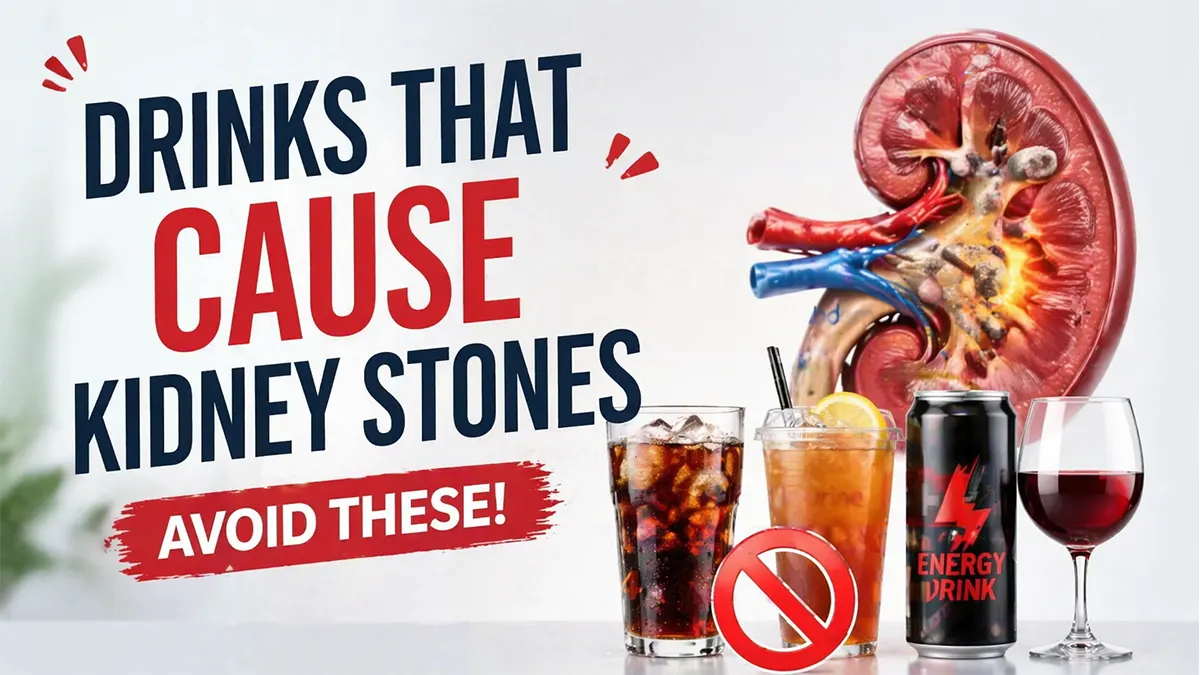
The worst drinks for kidney stones include dark sodas, iced tea, energy drinks, sugary beverages, and alcohol. These drinks increase dehydration, oxalate levels, and urinary calcium, which promotes stone formation.
🔹 Why do dark sodas increase kidney stone risk?
Dark sodas contain phosphoric acid, which can increase calcium levels in urine and reduce protective citrate. This makes it easier for kidney stones to form, especially calcium-based stones.
🔹 Does drinking iced tea cause calcium oxalate stones?
Yes, iced tea is high in oxalates, which can increase the risk of calcium oxalate kidney stones if consumed in large amounts regularly.
🔹 Are energy drinks bad for kidney health?
Energy drinks can be harmful because they contain high levels of caffeine and sugar, which can lead to dehydration and increase the risk of kidney stone formation.
🔹 Is sparkling water safe for kidney stone prevention?
Yes, unsweetened sparkling water is safe and can be a good alternative to soda. It helps with hydration and does not contain harmful compounds like phosphoric acid.
🔹 Diet soda vs regular soda: which is worse for kidney stones?
Both diet soda and regular soda can increase kidney stone risk. Regular soda contains high sugar, while diet soda contains artificial sweeteners and often still includes phosphoric acid.
🔹 Can drinking too much coffee lead to kidney stones?
Moderate coffee intake is generally safe, but excessive consumption can increase calcium excretion and may contribute to dehydration, increasing stone risk.
🔹 What are the best drinks to prevent kidney stones?
The best drinks include water, lemon water, coconut water, and herbal teas. These help dilute urine, increase citrate levels, and reduce the risk of kidney stone formation.
📌 Key Takeaways
✔ Avoid soda, iced tea, and sugary drinks
✔ Limit alcohol and caffeine
✔ Be careful with almond milk
✔ Choose water + lemon instead
🚀 Final Thoughts
Your drink choices matter more than you think.
👉 Avoiding the worst drinks for kidney stones is one of the easiest ways to protect your kidneys in 2026.
Start with one change today:
❌ Replace soda → ✔ Drink lemon water
Your kidneys will thank you.
Dr. Jayanth Reddy – Consultant Urologist
My Health Hospitals, Hyderabad
This content has been medically reviewed for accuracy and reliability based on current urology treatment guidelines.
According to the kidney stone symptoms NHS guide, severe flank pain can worsen during rest or nighttime.
Author
Yamanandan Reddy
Health Content Writer & Frontend Developer
Yamanandan Reddy is a health content writer and frontend developer with over 4 years of experience in website design and digital content creation. He writes research-based health articles to help readers understand symptoms, causes, treatments, and prevention methods related to common health conditions.
His articles are written using information from trusted medical sources such as the World Health Organization (WHO), Mayo Clinic, and the Centers for Disease Control and Prevention (CDC).
Sources
The information in this article is researched and verified using trusted medical resources, including:
• World Health Organization (WHO)
• Mayo Clinic
• National Institutes of Health (NIH)
• Centers for Disease Control and Prevention
⚠️ Medical Disclaimer
This content is for informational purposes only and does not replace professional medical advice. Always consult a qualified healthcare provider for diagnosis and treatment.