
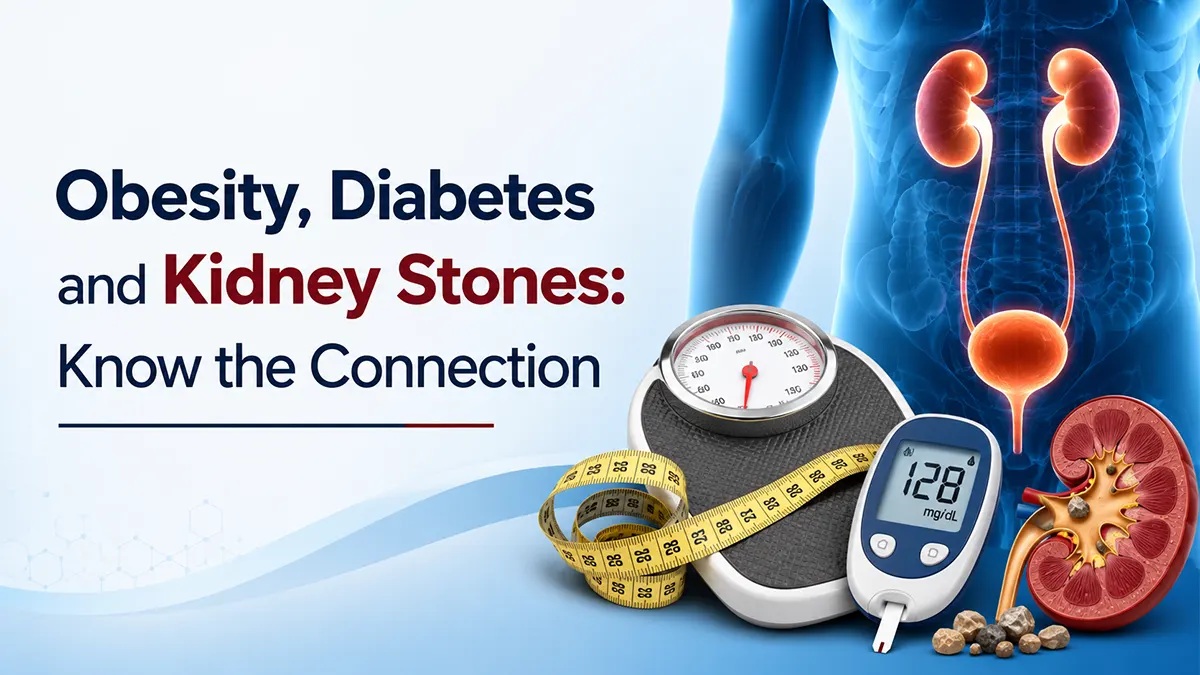
Obesity and kidney stones are becoming increasingly common worldwide, and research shows they are more closely connected than many people realize. Excess body weight doesn’t just affect your heart or blood sugar—it also changes the way your kidneys process minerals, acids, and waste products. These changes can increase the likelihood of kidney stone formation.
People living with type 2 diabetes, insulin resistance, or metabolic syndrome often have additional metabolic changes that make kidney stones more likely. Higher body mass index (BMI), diets rich in sodium and added sugars, and inadequate water intake further increase this risk.
The encouraging news is that many of these risk factors can be modified. Maintaining a healthy weight, improving dietary habits, staying physically active, and drinking enough water may lower the chances of developing future kidney stones.
In this Healthy Way Care guide, you’ll learn how obesity, diet, and type 2 diabetes influence kidney stone formation, practical prevention strategies, and when medical evaluation is recommended.
Table of Contents
What Is the Connection Between Obesity and Kidney Stones?
Obesity is a chronic medical condition characterized by excess body fat that can affect many organs, including the kidneys. Studies have consistently shown that people with overweight or obesity have a greater chance of developing kidney stones compared with those who maintain a healthy weight.
Several biological changes explain this relationship:
- Increased urinary calcium, oxalate, and uric acid.
- Lower urine pH (more acidic urine).
- Reduced protective citrate levels in some individuals.
- Greater insulin resistance affecting kidney function.
- Increased inflammation associated with metabolic disorders.
These changes create an environment where crystals can form more easily, eventually developing into kidney stones.
The 1-Gallon Rule: Exactly How Much Water You Need to Drink Daily to Prevent Kidney Stone Recurrence
How Obesity and Kidney Stones Affect Kidney Function
Body weight influences several processes involved in stone formation.
Increased Acid Production
People with obesity often produce more acidic urine, which increases the risk of uric acid kidney stones.
Higher Urinary Calcium
Excess body weight may increase calcium excretion into urine, contributing to calcium-containing stones.
Increased Oxalate
Dietary patterns associated with obesity may increase urinary oxalate levels, another important risk factor.
Chronic Inflammation
Low-grade inflammation associated with obesity may alter kidney metabolism and increase stone formation over time.
Coconut Water for Kidney Stones: How Much Should You Drink Daily?
Type 2 Diabetes and Kidney Stones: Why the Risk Is Higher
People with type 2 diabetes and kidney stones frequently share the same underlying metabolic abnormalities.
Insulin resistance reduces the kidneys’ ability to produce urine with a healthy pH. As urine becomes more acidic, uric acid crystals form more easily.
Diabetes may also contribute to:
- Higher urinary calcium.
- Lower urinary citrate.
- Increased dehydration from elevated blood glucose.
- Greater risk of recurrent urinary tract infections.
Because of these combined factors, individuals with diabetes have a significantly higher lifetime risk of developing kidney stones.
Can Diabetes Increase Kidney Stone Risk? 7 Important Facts Doctors Want You to Know in 2026
How Insulin Resistance Increases Kidney Stone Risk
Insulin resistance occurs when the body’s cells become less responsive to insulin.
This affects kidney function by:
- Lowering urine pH.
- Increasing uric acid production.
- Altering calcium metabolism.
- Promoting metabolic syndrome.
These metabolic changes explain why kidney stones are often considered part of the broader spectrum of metabolic diseases.
Beyond the Diagnosis: 5 Life-Changing Shifts for Managing Type 2 Diabetes in 2026
Does Being Overweight Cause Kidney Stones?
Being overweight does not guarantee that someone will develop kidney stones.
However, research consistently shows that:
- Higher BMI increases stone risk.
- Larger waist circumference is associated with recurrent stones.
- Weight gain over time raises lifetime risk.
- Obesity combined with diabetes further increases the likelihood of recurrence.
The risk becomes greater when excess body weight is combined with poor hydration, diets high in sodium or added sugars, and low physical activity.
Comparison Table: Healthy Weight vs Obesity
| Factor | Healthy Weight | Obesity |
|---|---|---|
| Urine acidity | Usually balanced | Often more acidic |
| Uric acid stone risk | Lower | Higher |
| Insulin resistance | Less common | More common |
| Metabolic syndrome | Lower risk | Increased risk |
| Kidney stone recurrence | Lower | Higher |
| Inflammation | Lower | Increased |
Key Points
- Obesity is an independent risk factor for kidney stones.
- Type 2 diabetes increases the likelihood of uric acid kidney stones.
- Insulin resistance changes urine chemistry, making stones more likely.
- Maintaining a healthy weight may help reduce recurrent kidney stones.
- Prevention includes healthy eating, hydration, physical activity, and individualized medical care.
What is the connection between obesity and kidney stones?
The connection between obesity and kidney stones is linked to changes in urine chemistry. People with obesity often have more acidic urine, higher levels of calcium, oxalate, and uric acid, and lower protective citrate levels. These changes increase the likelihood of kidney stone formation and recurrence.
Does being overweight cause kidney stones?
Being overweight does not directly cause kidney stones, but it significantly increases the risk. Excess body weight is associated with insulin resistance, metabolic syndrome, and changes in urine composition that make calcium oxalate and uric acid stones more likely to develop.
How are type 2 diabetes and kidney stones connected?
Type 2 diabetes and kidney stones are closely related because diabetes can make urine more acidic and increase uric acid levels. People with diabetes are also more likely to experience dehydration and metabolic changes that raise the risk of recurrent kidney stones.
Can losing weight help prevent kidney stones?
Yes. Achieving and maintaining a healthy weight may reduce the risk of kidney stone recurrence. Gradual weight loss, regular physical activity, adequate hydration, and a balanced diet can improve urine chemistry and lower the chances of developing new kidney stones.
What is the best kidney stone diet for diabetics?
A kidney stone diet for diabetics should include plenty of water, vegetables, fruits low in added sugar, whole grains, lean protein, and adequate dietary calcium. Reducing sodium, sugary beverages, processed foods, and excessive animal protein may help lower kidney stone risk.
Can insulin resistance increase the risk of kidney stones?
Yes. Insulin resistance and kidney stones are strongly linked. Insulin resistance reduces the kidneys’ ability to maintain a healthy urine pH, making urine more acidic. This increases the likelihood of uric acid stones and contributes to recurrent stone formation.
Does sugar intake increase kidney stone risk?
High consumption of added sugars, especially sugar-sweetened beverages and foods containing high-fructose corn syrup, has been associated with a higher risk of kidney stones. Limiting added sugar while maintaining a balanced diet may support kidney health and reduce recurrence.
Is metabolic syndrome a risk factor for kidney stones?
Yes. Metabolic syndrome and kidney stones are commonly associated. Conditions such as obesity, high blood pressure, insulin resistance, elevated blood sugar, and abnormal cholesterol levels can alter urine composition and increase the likelihood of kidney stone formation.
Can bariatric surgery increase kidney stone risk?
Some types of bariatric surgery may increase the risk of kidney stones because they can affect the way the body absorbs calcium and oxalate. Patients should follow dietary recommendations, stay well hydrated, and have regular follow-up with their healthcare team after surgery.
How can I reduce my risk of kidney stones if I have obesity or type 2 diabetes?
The best approach includes maintaining a healthy weight, staying well hydrated, limiting sodium and added sugars, eating a balanced diet, controlling blood sugar, exercising regularly, and following your healthcare provider’s recommendations. People with recurrent kidney stones may benefit from a metabolic evaluation and a 24-hour urine analysis.
Medical Expert Review
Dr. Jayanth Reddy
Consultant Urologist | My Health Hospitals, Hyderabad
This content has undergone medical review to ensure it reflects current clinical evidence, accepted urological practices, and patient-centered healthcare guidance.
Author
Yamanandan Reddy
Health Content Writer & Frontend Developer
Yamanandan Reddy is a health content writer and frontend developer with over 4 years of experience in website design and digital content creation. He writes research-based health articles to help readers understand symptoms, causes, treatments, and prevention methods related to common health conditions.
His articles are written using information from trusted medical sources such as the World Health Organization (WHO), Mayo Clinic, and the Centers for Disease Control and Prevention (CDC).
Sources
The information in this article is researched and verified using trusted medical resources, including:
• World Health Organization (WHO)
• Mayo Clinic
• National Institutes of Health (NIH)
• Centers for Disease Control and Prevention
⚠️ Medical Disclaimer
This content is for informational purposes only and does not replace professional medical advice. Always consult a qualified healthcare provider for diagnosis and treatment.
2 thoughts on “Weight, Diet, and Stones: The Connection Between Obesity, Type 2 Diabetes, and Kidney Stones”