
Medically Reviewed By
Dr. Ch. Srujith, MBBS, MD (General Medicine)
General Physician & Diabetologist | 15+ Years Experience
View Doctor Profile →Diabetic retinopathy is a diabetes-related eye condition that can damage the retina and lead to vision loss. One of the most important facts is that early diabetic retinopathy often has no noticeable symptoms. Regular eye examinations can detect retinal changes before significant vision problems develop.
This 2026 guide explains what diabetic retinopathy is, its symptoms and stages, who is at risk, how it is diagnosed, current treatment options, and what you can do to protect your vision.
Quick answer: Diabetic retinopathy occurs when diabetes-related blood-vessel damage affects the retina. It can progress from mild nonproliferative changes to proliferative diabetic retinopathy, and it may also cause diabetic macular edema (DME). Early disease may have no symptoms, so recommended eye screening is important even when your vision seems normal.
Table of Contents
What Is Diabetic Retinopathy?
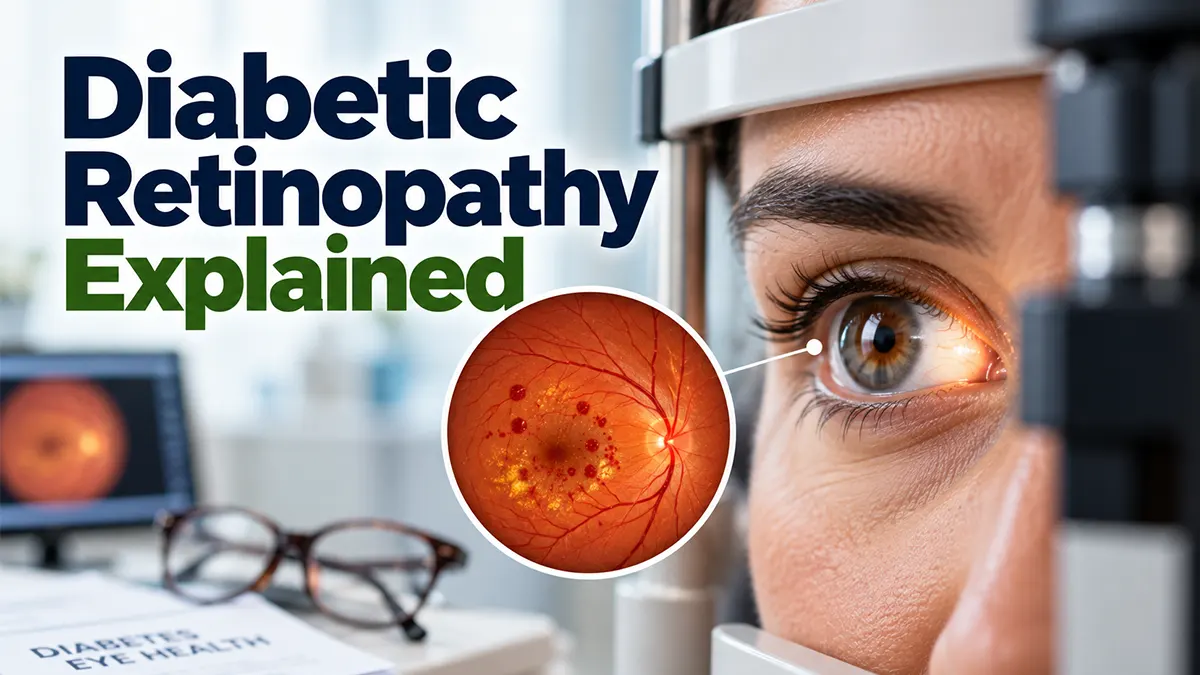
Diabetic retinopathy is an eye complication of diabetes that affects the retina, the light-sensitive tissue at the back of the eye.
Persistently elevated blood glucose can damage the tiny blood vessels supplying the retina. These vessels may weaken, leak fluid or blood, or eventually become blocked. In more advanced disease, abnormal new blood vessels can grow and cause further complications.
Diabetic retinopathy can occur in people with type 1 or type 2 diabetes. The risk generally increases with longer diabetes duration and chronic hyperglycemia. High blood pressure, abnormal cholesterol levels, and kidney disease can also be associated with increased risk.
What Are the Early Symptoms of Diabetic Retinopathy?
The most important early symptom is often no symptom at all.
A person can have retinal damage while reading, driving, and performing everyday activities normally. That is why waiting until your vision becomes blurry is not a reliable way to decide whether you need an eye examination.
When symptoms develop, they may include:
- Blurry vision
- Wavy or distorted vision
- Difficulty reading or seeing distant objects
- Dark spots or floating shapes
- Flashes of light
- Areas of reduced or missing vision
- Changes in vision that come and go
- Reduced color perception
Symptoms can become more noticeable as retinal disease progresses.
Can diabetic retinopathy occur without symptoms?
Yes. This is one of the most important reasons people with diabetes need regular eye screening.
A normal-looking vision does not necessarily mean the retina is healthy. A dilated eye examination can identify retinal changes before noticeable vision loss occurs.
Everyday Habits That Increase Diabetes Risk
What Causes Diabetic Retinopathy?
The underlying problem is damage to small retinal blood vessels associated with diabetes.
Over time, high blood glucose can affect these vessels, making them more likely to leak or become blocked. When retinal tissue receives inadequate blood flow, the eye may respond by producing abnormal new blood vessels. These vessels are fragile and can bleed easily.
The risk is influenced by several factors, including:
- How long a person has had diabetes
- Long-term blood glucose control
- Blood pressure
- Cholesterol and lipid levels
- Kidney disease
- Pregnancy in people with preexisting diabetes
- Other individual health factors
The 2026 ADA Standards emphasize managing glucose, blood pressure, and lipids to reduce the risk or progression of diabetic retinopathy.
Stages of Diabetic Retinopathy
Diabetic retinopathy is commonly discussed in two broad stages.
1. Nonproliferative Diabetic Retinopathy
This is the earlier form of diabetic retinopathy.
Small retinal blood vessels can develop tiny bulges, leaks, or areas of bleeding. As the disease progresses, some vessels may become blocked and reduce blood flow to parts of the retina.
Nonproliferative diabetic retinopathy may be:
- Mild
- Moderate
- Severe
The severity depends on the extent and pattern of retinal changes.
Mild diabetic retinopathy
Early changes may include small areas of blood-vessel damage called microaneurysms.
A person may still have completely normal vision.
Moderate diabetic retinopathy
More retinal blood vessels can become damaged or blocked, potentially reducing blood supply to retinal tissue.
Severe diabetic retinopathy
A larger number of retinal blood vessels may become blocked. This can stimulate the growth of abnormal new blood vessels.
How to Prevent Type 2 Diabetes
2. Proliferative Diabetic Retinopathy
Proliferative diabetic retinopathy (PDR) is a more advanced stage.
When areas of the retina do not receive enough blood flow, the eye may grow abnormal new blood vessels. These vessels are fragile and can bleed into the vitreous, the gel-like substance inside the eye. Scar tissue can also develop and potentially pull on the retina.
Possible complications include:
- Vitreous hemorrhage
- Scar formation
- Tractional retinal detachment
- Significant vision loss
PDR requires evaluation and management by an eye-care specialist.
What Is Diabetic Macular Edema?
Diabetic macular edema (DME) occurs when fluid accumulates in the macula, the central part of the retina responsible for detailed vision.
Because the macula helps you read, recognize faces, and see fine details, swelling in this area can cause blurred or distorted central vision. DME can occur at different stages of diabetic retinopathy.
The 2026 ADA Standards recommend prompt referral to an ophthalmologist for people with any level of diabetic macular edema.
Strength Training for Type 2 Diabetes
Diabetic Retinopathy Symptoms vs. Stage
| Stage or condition | Possible findings |
|---|---|
| Early diabetic retinopathy | Often no symptoms |
| Mild NPDR | Retinal blood-vessel changes; vision may remain normal |
| Moderate NPDR | More extensive vascular damage |
| Severe NPDR | Significant vessel blockage and increased risk of progression |
| Proliferative DR | Abnormal new vessels, bleeding, scar tissue |
| Diabetic macular edema | Blurred or distorted central vision |
Important: Symptoms alone cannot reliably determine the stage. An eye examination is needed.
Who Is at Higher Risk of Diabetic Retinopathy?
Anyone with diabetes can develop diabetic retinopathy.
Risk generally increases with:
Longer duration of diabetes
The longer someone has diabetes, the greater the opportunity for chronic blood-glucose exposure to affect retinal blood vessels.
Poorly controlled blood glucose
Long-term hyperglycemia is an important risk factor for diabetic retinopathy. Improving glucose management can help prevent or slow progression.
High blood pressure
Hypertension can increase the risk of diabetic eye complications. Blood-pressure management is therefore an important part of diabetes care.
Abnormal cholesterol levels
Dyslipidemia is also associated with diabetic retinopathy risk and progression.
Kidney disease
Diabetic kidney disease and retinopathy can occur together, reflecting the effects of diabetes on small blood vessels.
When Should You Get an Eye Exam for Diabetes?
This is one of the most important practical questions.
According to the 2026 American Diabetes Association Standards of Care:
Type 1 diabetes
Adults with type 1 diabetes should have an initial comprehensive dilated eye examination 5 years after diabetes begins.
Type 2 diabetes
People with type 2 diabetes should have a comprehensive dilated eye examination at the time of diagnosis because retinal disease may already be present.
If previous exams are normal
If there is no evidence of retinopathy on one or more annual exams and glucose indicators are within the person’s target range, screening every 1–2 years may be considered in appropriate individuals. The screening interval should be individualized.
If diabetic retinopathy is present, follow-up is generally needed at least annually and may need to be more frequent depending on severity and progression.
What Happens During a Diabetic Eye Exam?
A comprehensive dilated eye examination usually involves:
- Reviewing your medical and diabetes history
- Checking your vision
- Using eye drops to dilate the pupils
- Examining the retina and other structures
- Checking eye pressure when appropriate
- Performing additional retinal imaging or testing when necessary
A dilated examination allows the eye-care professional to see more of the retina and identify diabetic retinal changes that may not be visible through symptoms alone.
Can AI Detect Diabetic Retinopathy?
Yes, certain FDA-authorized AI systems can be used as part of diabetic retinopathy screening.
The 2026 ADA Standards recognize retinal photography with remote interpretation and FDA-approved artificial-intelligence algorithms as appropriate screening strategies when systems have pathways for timely referral when abnormalities are detected.
However, AI screening does not mean everyone can skip comprehensive eye care. In-person examinations may still be necessary when images are inadequate, abnormalities are detected, or follow-up and treatment are required.
How Is Diabetic Retinopathy Treated?
Treatment depends on:
- The stage of retinopathy
- Whether diabetic macular edema is present
- Whether vision is affected
- The condition of the retina
- Other individual health factors
Not everyone with diabetic retinopathy immediately needs an eye procedure.
1. Diabetes and Cardiovascular Risk Management
Managing blood glucose, blood pressure, and cholesterol is an important part of reducing the risk or progression of diabetic retinopathy.
This may involve:
- Following your diabetes treatment plan
- Taking prescribed medications correctly
- Regular physical activity
- Eating a balanced diet
- Monitoring blood glucose as recommended
- Managing blood pressure
- Managing cholesterol
- Avoiding tobacco
2. Anti-VEGF Injections
Anti-VEGF medicines can be injected into the eye to reduce abnormal blood-vessel growth and leakage.
They are an important treatment option for certain forms of proliferative diabetic retinopathy and are first-line treatment for most eyes with center-involving diabetic macular edema that affects visual acuity, according to the 2026 ADA Standards.
Treatment schedules vary depending on the medicine and the individual’s response.
3. Laser Treatment
Laser photocoagulation can be used in selected cases.
For example, panretinal photocoagulation can reduce the risk of severe vision loss in people with high-risk proliferative diabetic retinopathy.
Laser treatment may also be used for certain cases of diabetic macular edema, although current treatment approaches depend on the specific retinal findings.
4. Vitrectomy
A vitrectomy is a surgical procedure that removes the vitreous gel from inside the eye.
It may be considered when advanced diabetic retinopathy causes problems such as significant bleeding or scar tissue.
Can Diabetic Retinopathy Be Reversed?
The answer depends on the stage and the type of retinal damage.
Early detection and appropriate treatment can slow or stop progression and help prevent vision loss. Some treatments can also improve vision in appropriate cases.
However, established retinal damage should not be assumed to disappear simply because blood glucose improves.
That is why the goal is not to wait for vision problems. Prevention, screening, early detection, and timely treatment matter.
How Can You Prevent Diabetic Retinopathy?
You cannot guarantee that diabetic retinopathy will never develop, but you can take steps to lower the risk and slow progression.
1. Manage blood glucose
Work with your healthcare team to establish appropriate glucose and A1C goals.
The ADA recommends strategies that help people with diabetes achieve individualized glycemic goals to reduce the risk or progression of retinopathy.
2. Control blood pressure
Blood-pressure management can help reduce the risk and progression of diabetic retinopathy.
3. Manage cholesterol
Healthy lipid levels and appropriate treatment when indicated are also part of protecting vascular health.
4. Keep your eye appointments
Do not wait for blurry vision before getting checked.
Regular screening can identify retinal disease when treatment may be more effective at preventing vision loss.
5. Avoid smoking
If you smoke, ask a healthcare professional about evidence-based strategies to quit.
6. Stay physically active
Regular physical activity can support overall diabetes management and cardiovascular health.
7. Follow your prescribed treatment plan
Do not stop or change diabetes, blood-pressure, or cholesterol medicines without discussing it with your healthcare professional.
What About Pregnancy and Diabetic Retinopathy?
Pregnancy can affect the course of preexisting diabetic retinopathy.
The 2026 ADA Standards recommend that people with preexisting type 1 or type 2 diabetes who are planning pregnancy have an eye examination before pregnancy and be monitored during pregnancy according to their retinal status. Additional examinations may be needed during pregnancy and after delivery.
People who develop gestational diabetes alone generally do not require diabetic retinopathy screening solely because of gestational diabetes.
If you have diabetes and are planning pregnancy, discuss eye screening with your diabetes and eye-care teams before conception.
When Is Diabetic Retinopathy an Emergency?
Seek urgent medical attention if you experience sudden changes in vision, particularly:
- A sudden increase in floaters
- Flashes of light
- A dark curtain or shadow across your vision
- Sudden or significant vision loss
These symptoms can occur with serious retinal problems, including retinal detachment, and should not be ignored.
Diabetic Retinopathy vs. Diabetic Neuropathy
These conditions have similar names but affect different parts of the body.
| Condition | What it affects | Common concerns |
|---|---|---|
| Diabetic retinopathy | Retina | Vision changes and vision loss |
| Diabetic neuropathy | Nerves | Numbness, tingling, burning pain, weakness |
| Diabetic kidney disease | Kidneys | Kidney damage and reduced kidney function |
All three are diabetes-related complications, but they require different screening and treatment approaches.
Frequently Asked Questions
Can you have diabetic retinopathy without knowing it?
Yes. Early diabetic retinopathy often causes no symptoms. Regular eye examinations are therefore important even when your vision seems normal.
What does diabetic retinopathy look like?
It cannot reliably be identified by looking in a mirror. An eye-care professional examines the retina for changes such as damaged or leaking blood vessels, bleeding, swelling, and abnormal blood-vessel growth.
Does diabetic retinopathy cause pain?
Diabetic retinopathy itself may develop without pain or noticeable symptoms. A person can have significant retinal disease without realizing it.
Can high blood sugar cause blurry vision?
Yes. High blood glucose can temporarily affect the tissues and fluid balance involved in focusing, causing blurred vision. Persistent high glucose can also contribute to diabetic eye disease over time.
Can diabetic retinopathy cause blindness?
Advanced diabetic retinopathy can cause severe vision loss and blindness. Early detection and appropriate treatment can substantially reduce the risk of serious vision loss.
Is diabetic retinopathy curable?
There is not one universal cure. Depending on the stage, treatment can slow or stop progression and may improve vision in some people. Managing diabetes and attending recommended eye examinations remain essential.
How often should someone with diabetes have an eye exam?
The schedule depends on diabetes type, retinal findings, glucose control, pregnancy status, and other risk factors. ADA 2026 recommends an initial comprehensive dilated exam at diagnosis for type 2 diabetes and about 5 years after onset for type 1 diabetes, with follow-up individualized thereafter.
Can diabetic retinopathy improve with better blood sugar control?
Better diabetes management can help prevent or slow progression. However, established retinal damage does not necessarily disappear simply because glucose levels improve. Treatment decisions should be made with an eye-care professional.
Can diabetic retinopathy be detected with a retinal photograph?
Yes. Retinal photography can be used for screening, including programs that use remote expert interpretation or certain FDA-authorized AI systems. Abnormal findings may require a comprehensive eye examination.
What is the difference between diabetic retinopathy and diabetic macular edema?
Diabetic retinopathy refers to diabetes-related damage to retinal blood vessels. Diabetic macular edema is swelling caused by fluid accumulation in the macula and can occur as a complication of diabetic retinopathy.
Does everyone with diabetes develop diabetic retinopathy?
Not everyone develops clinically significant retinopathy, but anyone with diabetes can develop it. Risk generally increases with longer diabetes duration and chronic hyperglycemia.
Key Takeaways
Diabetic retinopathy can develop quietly. You may have retinal damage before noticing any change in your eyesight.
The most important steps are:
- Get diabetes-appropriate eye screening.
- Keep blood glucose within your individualized target.
- Manage blood pressure and cholesterol.
- Follow your prescribed diabetes treatment.
- Avoid smoking.
- Report new or worsening vision changes promptly.
- Seek urgent care for sudden floaters, flashes, a curtain-like shadow, or sudden vision loss.
Current 2026 ADA guidance emphasizes that screening and timely treatment can help prevent or reduce diabetes-related vision loss.
References
This article is based on current recommendations from internationally recognized medical organizations and peer-reviewed evidence, including:
- American Diabetes Association (ADA) Standards of Care
- Centers for Disease Control and Prevention (CDC)
- National Institute of Diabetes and Digestive and Kidney Diseases (NIDDK)
- World Health Organization (WHO)
Medically Reviewed By
Dr. Ch. Srujith, MBBS, MD (General Medicine)
General Physician & Diabetologist | 15+ Years of Clinical Experience | Hyderabad, India
This article has been medically reviewed for medical accuracy and reflects current evidence-based recommendations available as of 2026. It is intended for educational purposes only and should not replace personalized medical advice, diagnosis, or treatment. For concerns about diabetes or blood sugar management, consult a qualified healthcare professional.
Author
Yamanandan Reddy
Health Content Writer & Frontend Developer
Yamanandan Reddy is a health content writer and frontend developer with over 4 years of experience in website design and digital content creation. He writes research-based health articles to help readers understand symptoms, causes, treatments, and prevention methods related to common health conditions.
⚠️ Medical Disclaimer
This content is for informational purposes only and does not replace professional medical advice. Always consult a qualified healthcare provider for diagnosis and treatment.
1 thought on “Diabetic Retinopathy: 7 Essential Signs, Stages, Treatment & Prevention”