Table of Contents
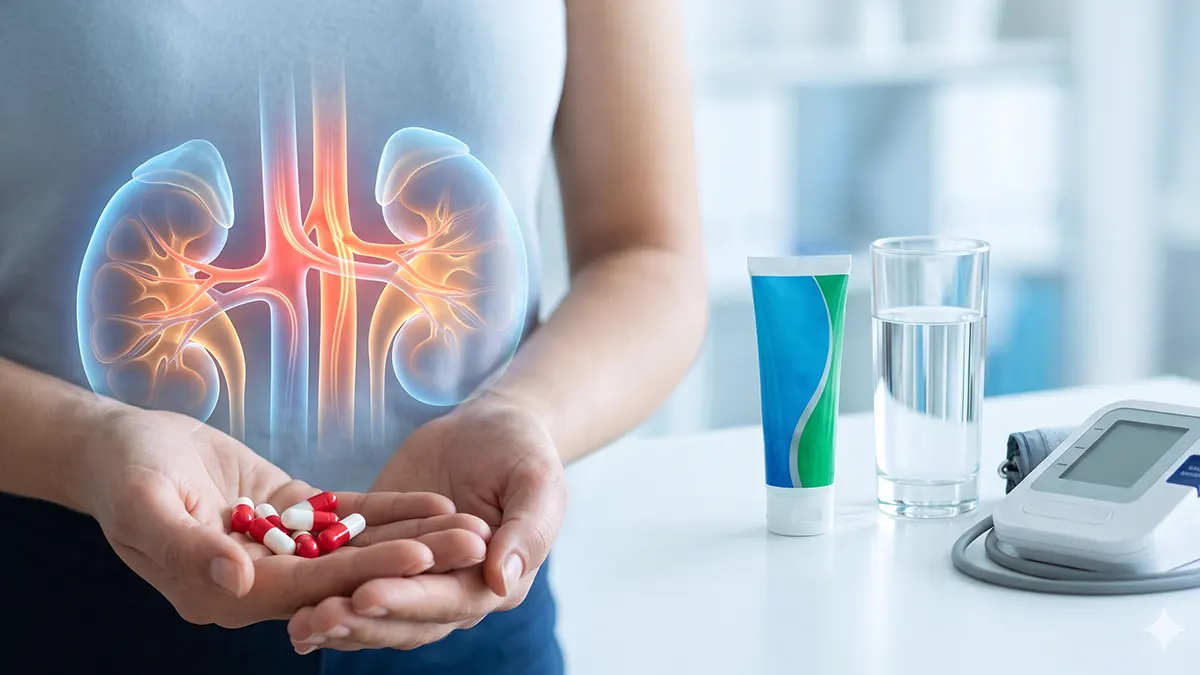
Understanding the link between painkillers and kidney damage can protect your kidney filters from sudden, preventable injury. Millions of adults reach for over-the-counter (OTC) pain relievers like ibuprofen or naproxen every week for headaches, joint stiffness, or back aches—assuming that any medicine sold without a prescription is completely harmless. Yet clinical guidelines from the National Kidney Foundation warn that frequent or improperly timed use of non-steroidal anti-inflammatory drugs (NSAIDs) is a leading cause of drug-induced acute kidney injury (AKI) and worsening chronic kidney disease (CKD).
Because your kidneys filter and clear many medications from your bloodstream, taking the wrong pain medicine—especially when you are dehydrated, managing high blood sugar, or taking blood pressure pills—can choke off vital blood flow to your nephrons.
Below, we break down the science behind painkillers and kidney damage, expose the six most dangerous mistakes people make with OTC pain medicines, and share kidney-safe pain relief alternatives recommended by nephrologists.
Key Takeaways: Painkillers and Kidney Damage
- NSAIDs restrict kidney blood flow: Common OTC and prescription NSAIDs—such as ibuprofen (Advil, Motrin), naproxen (Aleve), meloxicam, diclofenac pills, and high-dose aspirin (>325 mg/day)—lower the amount of blood flowing through your kidneys.
- The eGFR < 60 rule: According to the National Kidney Foundation, people with chronic kidney disease—especially anyone with an estimated glomerular filtration rate (eGFR) below 60—should avoid systemic NSAIDs.
- Dangerous drug interactions: Combining NSAIDs with blood pressure medications (ACE inhibitors, ARBs, or diuretic water pills) multiplies the risk of sudden painkillers and kidney damage.
- Safer alternatives exist: Acetaminophen (Tylenol) at recommended doses, topical pain gels applied directly to the skin (such as diclofenac gel), and non-opioid pain signal blockers offer effective relief with much lower kidney risk.
How Do NSAIDs Cause Painkillers and Kidney Damage?
On Healthy Way Care, many readers ask how a tiny tablet taken for a headache or back strain can injure the kidneys. Understanding painkillers and kidney damage starts with how your kidneys regulate their own blood pressure.
Your kidneys filter roughly 150 quarts of blood every single day through millions of microscopic blood vessel clusters called glomeruli. To keep blood flowing smoothly through these delicate filters—even when you are mildly dehydrated or your blood pressure fluctuates—your body relies on natural chemical messengers called prostaglandins, which widen (dilate) the incoming blood vessels feeding your kidneys.
NSAIDs work by blocking the enzymes (COX-1 and COX-2) that produce prostaglandins. While blocking prostaglandins reduces joint swelling and fever, it simultaneously clamps down and narrows the blood vessels entering your kidneys. With less blood reaching your kidney filters, filtration pressure drops sharply, starving kidney tissue of oxygen and triggering acute kidney injury (AKI) or permanent scarring over time.
Related Guide on Healthy Way Care: Waking up with back pain and reaching for painkillers? First check whether your ache is muscular or a stone using our Kidney Stone Pain Location Chart.
6 Dangerous Mistakes That Trigger Painkillers and Kidney Damage
1. Taking Ibuprofen or Naproxen While Dehydrated
One of the fastest ways to trigger acute painkillers and kidney damage is swallowing an NSAID when your body is low on fluids—such as after a sweaty workout, during a stomach virus, while fasting, or first thing in the morning before drinking water.
- Why it is dangerous: When you are dehydrated, your kidneys are already working overtime and relying heavily on prostaglandins to keep their blood vessels open. Taking ibuprofen or naproxen in a dehydrated state shuts down that protective backup system, causing a sudden drop in kidney filtration.
- What to do instead: Always rehydrate with plain water first, and never take oral NSAIDs when you have vomiting, diarrhea, fever, or dark concentrated urine (see Intermittent Fasting and Kidney Stone Risk).
2. Mixing NSAIDs With Blood Pressure Pills and Diuretics (“The Triple Whammy”)
Millions of adults manage high blood pressure, heart disease, or diabetes alongside joint or back pain (read our guide on Diabetes and Heart Disease: 7 Essential Risks).
- Why it is dangerous: Nephrologists warn against combining three types of medications at the same time—a dangerous interaction known clinically as the “Triple Whammy”:
- Diuretics (“water pills”) such as furosemide or hydrochlorothiazide, which reduce fluid volume in your blood vessels.
- ACE inhibitors (ending in -pril, like lisinopril) or ARBs (ending in -sartan, like losartan), which relax the outgoing blood vessels of the kidney filters.
- NSAID painkillers, which constrict the incoming blood vessels of the kidney filters. Combining an NSAID with blood pressure medications and diuretics traps your kidney filters with zero pressure to filter blood—a leading cause of emergency hospital admissions for painkillers and kidney damage (NKF Safe Medicine Guide).
- What to do instead: If you take blood pressure, heart, or diabetes medications, never buy OTC ibuprofen or naproxen without asking your doctor or pharmacist for a kidney-safe option first.
3. Missing “Hidden” NSAIDs Inside OTC Cough, Cold, and Flu Medicines
Many people carefully avoid buying a bottle of ibuprofen, yet accidentally take NSAIDs (or double-dose on acetaminophen) when they catch a cold or flu.
- Why it is dangerous: Multi-symptom OTC cough, cold, sinus, and menstrual relief packets frequently combine pain relievers with decongestants (which also raise blood pressure). Taking a multi-symptom cold medicine alongside your regular pain pill can easily push you past safe daily limits, accelerating painkillers and kidney damage.
- What to do instead: Always read the “Active Ingredients” box on every OTC package and look specifically for the word “NSAID” (including ibuprofen, naproxen, or aspirin) or acetaminophen so you never double up by mistake.
4. Confusing High-Dose Aspirin With Low-Dose “Baby” Aspirin
Aspirin is one of the oldest pain relievers in the medicine cabinet, leading many older adults to use full-strength aspirin tablets for arthritis or headaches.
- Why it is dangerous: According to the National Kidney Foundation, low-dose aspirin (81 mg to 100 mg per day) prescribed by a doctor to prevent heart attacks does not worsen kidney disease. However, high-dose aspirin (more than 325 mg per day) acts just like an NSAID on your kidneys—lowering renal blood flow while increasing the risk of serious stomach bleeding.
- What to do instead: Keep taking prescribed low-dose (81–100 mg) heart aspirin if directed by your cardiologist, but never use high-dose aspirin for everyday pain relief.
5. Drinking Alcohol While Taking Pain Medications
Taking a pain reliever after drinking beer or wine—or taking an NSAID the next morning to cure a hangover headache—is a major trigger for organ injury.
- Why it is dangerous: As highlighted in clinical alerts from the National Kidney Foundation, combining alcohol with NSAIDs dehydrates your body and sharply increases the risk of acute kidney injury (AKI) and stomach ulcers, while combining alcohol with acetaminophen increases the risk of severe liver damage.
- What to do instead: Avoid alcohol completely whenever you are taking OTC or prescription pain medications (see also Beer for Kidney Stones: Myth or Dangerous Mistake?).
6. Using Oral NSAIDs Long-Term When Your eGFR Is Below 60
Taking OTC pain pills every day for chronic arthritis, neck pain, or back stiffness turns a short-term medicine into a long-term kidney toxin.
- Why it is dangerous: Even if you don’t feel any immediate symptoms, taking oral NSAIDs daily for weeks or months causes chronic reduction in renal blood flow and interstitial kidney inflammation (analgesic nephropathy). Furthermore, many prescription pain medicines (including certain nerve pain drugs like gabapentin or pregabalin and opioids) are cleared through the kidneys and can build up to toxic levels if your eGFR drops below 60.
- What to do instead: Have your eGFR blood test checked regularly so your doctor can adjust your medication doses, and switch to targeted topical or non-NSAID therapies for chronic pain.
Quick Comparison Table: Kidney Safety of Common Pain Medicines
Use this clinical reference chart to compare painkillers and kidney damage risks across common OTC and prescription options:
| Pain Medicine Type | Common Brand / Generic Names | Kidney Safety & Risk Level | Key Clinical Rule |
| Oral NSAIDs (OTC & Rx) | Ibuprofen (Advil, Motrin), Naproxen (Aleve), Meloxicam, Celecoxib, Ketorolac | High Risk — lowers kidney blood flow; can cause AKI or worsen CKD | Avoid if eGFR < 60, dehydrated, or taking blood pressure / diuretic pills |
| High-Dose Aspirin (>325 mg) | Regular/Extra-Strength Aspirin (>325 mg/day) | High Risk — acts like an NSAID on kidneys and raises bleeding risk | Do not use for pain; only use low-dose (81–100 mg) if prescribed for heart health |
| Acetaminophen | Tylenol (Paracetamol) | Kidney-Safe at Recommended Doses | Often the first-choice OTC pain reliever for CKD patients (check with doctor if you have liver disease) |
| Topical Pain Gels & Patches | Diclofenac Gel (Voltaren), Menthol, Lidocaine, Capsaicin (Salonpas, Icy Hot, Biofreeze) | Low Kidney Risk — applied directly to skin so very little enters blood | Do not apply more than label directions to avoid systemic absorption |
| Corticosteroids (Oral) | Prednisone, Methylprednisolone (Medrol), Dexamethasone | Moderate Indirect Risk — causes fluid retention, high BP, and high blood sugar | Localized joint injections cause fewer kidney/metabolic side effects than oral pills |
| Nerve Pain & Opioid Rx | Gabapentin, Pregabalin, Tramadol, Oxycodone | Requires Dose Adjustment in CKD — cleared from blood by the kidneys | Does not directly scar kidneys, but dose must be lowered as eGFR declines to prevent buildup |
| Non-Opioid Signal Blocker | Suzetrigine (Journavx) | Kidney-Safe for eGFR > 15 — blocks body pain signals without brain addiction | Avoid if on dialysis or if eGFR is 15 or lower |
5 Kidney-Safe Ways to Relieve Pain Without Damaging Your Filters
Preventing painkillers and kidney damage does not mean living in pain. Follow these five nephrologist-backed strategies to manage aches safely:
- Ask your doctor about Acetaminophen (Tylenol) first: For headaches, fever, or bone/joint aches, acetaminophen reduces pain signals in the brain without restricting blood flow to your kidneys. Just be sure to check all OTC cold/flu labels so you stay within your doctor’s recommended daily limit (especially if you have liver condition history).
- Switch from oral pills to Topical Pain Relievers: If you have knee, hand, shoulder, or localized back pain, rubbing a topical pain reliever—such as lidocaine patches, menthol/camphor creams, or topical diclofenac gel (Voltaren)—directly onto the sore joint delivers relief right where it hurts while keeping blood levels (and kidney exposure) extremely low.
- Follow the “Lowest Dose, Shortest Time” rule: If you have normal kidney function (eGFR above 60) and your doctor approves an OTC NSAID for an acute injury, take the lowest effective dose for no more than a few days, always with food and a full glass of water.
- Combine physical therapies with medical care: Clinical guidelines show that pain relief works best when paired with non-medication therapies such as physical therapy, gentle stretching, heat or ice packs, massage, acupuncture, yoga, or tai chi, which ease muscle and joint tension with zero kidney burden.
- Treat the root cause of kidney or urinary pain: If your back pain comes from a kidney stone rather than a pulled muscle, OTC NSAIDs taken while dehydrated can harm your obstructed kidney. Instead, see a doctor for proper hydration and stone management (explore our Calcium Oxalate Kidney Stones Guide).
Conclusion
Understanding the connection between painkillers and kidney damage empowers you to protect your kidneys every time you open your medicine cabinet. By avoiding oral NSAIDs like ibuprofen and naproxen when you have an eGFR below 60, high blood pressure, diabetes, or dehydration—and choosing kidney-friendly alternatives like recommended-dose acetaminophen, topical pain gels, and physical therapy—you can relieve everyday pain safely while keeping your kidney filters healthy for life.
Frequently Asked Questions (FAQs)
1. Which OTC painkiller causes the most kidney damage?
Over-the-counter non-steroidal anti-inflammatory drugs (NSAIDs)—including ibuprofen (Advil, Motrin), naproxen (Aleve), and high-dose aspirin (>325 mg/day)—pose the highest risk for painkillers and kidney damage because they reduce blood flow through the kidneys and can trigger acute kidney injury (AKI) or worsen chronic kidney disease (CKD).
2. What is the safest pain reliever for people with kidney disease?
In general, acetaminophen (Tylenol) at doctor-recommended doses and topical pain relievers (such as lidocaine patches, menthol creams, or topical diclofenac gel applied to the skin) are the safest options for people with chronic kidney disease because they do not restrict kidney blood flow. Always confirm your exact maximum daily dose with your healthcare provider.
3. Why is taking ibuprofen with blood pressure medication dangerous for kidneys?
Blood pressure medications like ACE inhibitors (lisinopril), ARBs (losartan), and diuretics (water pills) alter fluid volume and pressure inside your kidneys’ tiny filters. Adding an NSAID like ibuprofen constricts the incoming kidney blood vessels, creating a “Triple Whammy” that can suddenly shut down kidney filtration and cause acute kidney failure.
4. Is topical diclofenac gel (Voltaren) safer for kidneys than ibuprofen pills?
Yes. According to the National Kidney Foundation, applying topical diclofenac gel directly to painful joints is much safer for your kidneys than swallowing NSAID pills because very little of the medication enters your bloodstream to reach your kidneys, provided you do not exceed the label dosage.
5. Does low-dose (81 mg) baby aspirin cause kidney damage?
No. Low-dose aspirin (81 mg to 100 mg per day) prescribed by a physician to prevent heart attacks or strokes does not worsen kidney disease. Only high-dose aspirin (more than 325 mg per day) acts like an NSAID on the kidneys and lowers renal blood flow.
6. Can kidney damage from NSAID painkillers be reversed?
If caught early, mild acute kidney injury (AKI) caused by short-term NSAID use and dehydration often improves once you stop taking the NSAID and restore proper hydration under medical care. However, long-term daily NSAID use can cause permanent kidney scarring (chronic kidney disease), which is why people with an eGFR below 60 should avoid oral NSAIDs.
Author & Editorial Standards
Written by Yamanandan Reddy — Health & Wellness Writer Yamanandan Reddy writes research-backed patient education guides at Healthy Way Care, helping readers understand kidney health, medication safety, urinary symptoms, and diabetes management using official clinical guidelines.
Medical References & Clinical Sources:
- National Kidney Foundation (NKF) — Pain Medicines and Kidney Disease: Risks, Safety, and Alternatives
- National Kidney Foundation (NKF) — Watch Out for Your Kidneys When You Use Medicines for Pain
- National Kidney Foundation (NKF) — Safe Medicine Use with Chronic Kidney Disease
Medical Disclaimer: The information provided on Healthy Way Care is for educational and informational purposes only and is not a substitute for professional medical advice, diagnosis, or treatment. Never stop prescribed medications or start a new pain reliever without consulting your physician or pharmacist.