
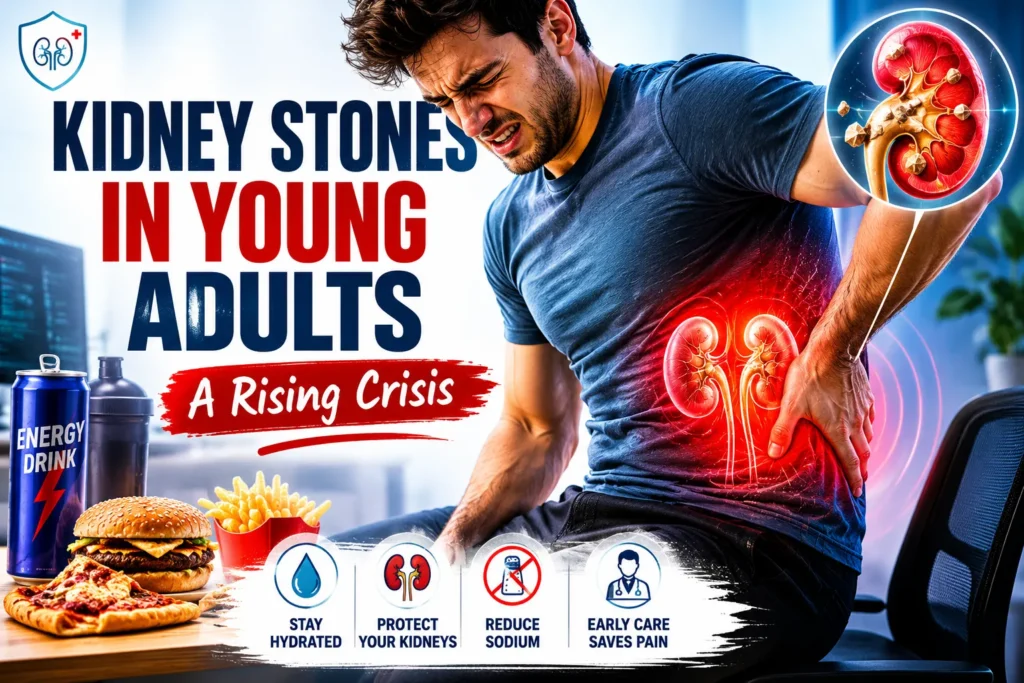
A decade ago, kidney stones were mostly seen as a problem affecting middle-aged adults. In 2026, that reality has changed dramatically.
Today, ERs across the United States are seeing more patients in their 20s and 30s arriving in severe pain from kidney stones. Many are shocked to learn that their daily habits — from energy drinks to ultra-processed fast food — may be quietly damaging their kidneys.
The rise of kidney stones in young adults is becoming a major health concern, and experts believe modern lifestyles are fueling the epidemic faster than ever before.
What’s even more alarming is that many young adults don’t realize they’re at risk until the pain suddenly becomes unbearable.
Table of Contents
The Alarming Rise of Kidney Stones in Young Adults
Doctors are reporting a noticeable increase in kidney stone cases among younger Americans.
While genetics still matter, lifestyle changes over the past decade are playing a huge role.
Experts believe the increase in:
- Processed food consumption
- High sodium diets
- Chronic dehydration
- Energy drink overuse
- Extreme dieting trends
…is creating the perfect environment for stones to form earlier in life.
Kidney stones develop when minerals and salts build up inside the kidneys and harden into crystal-like deposits.
The most common type is the calcium oxalate stone, which can cause:
- Severe flank pain
- Blood in urine
- Nausea
- Vomiting
- Frequent urination
Some stones pass naturally. Others may require emergency treatment or surgery.
Read Also : kidney stone prevention diet
4 Modern Habits Fueling the Epidemic
The 2026 lifestyle looks very different from previous generations — and unfortunately, many modern habits are increasing kidney stone risk.
1. Energy Drinks and Pre-Workout Supplements
One of the biggest concerns among urologists today is the explosion of energy drink and supplement consumption.
Many young adults regularly consume:
- High-caffeine energy drinks
- Pre-workout powders
- Concentrated stimulants
- Sugar-loaded beverages
These products may contribute to:
- Dehydration
- Increased calcium excretion
- Poor fluid balance
Some supplements also contain excessive sodium or compounds that may stress the kidneys when taken in large amounts.
A young office worker sipping three energy drinks during a long workday may not realize their kidneys are paying the price.
2. The High-Sodium Standard American Diet (SAD)
Fast food culture continues to dominate many American lifestyles.
Processed meals, frozen foods, chips, instant noodles, and takeout often contain extremely high sodium levels.
Too much sodium can increase calcium levels in urine, which may raise kidney stone risk significantly.
Popular foods contributing to the problem include:
- Fast food burgers
- Processed deli meats
- Pizza
- Packaged snacks
- Restaurant meals
Many Americans unknowingly consume far above the recommended daily sodium limit.
High sodium intake is now considered one of the major drivers behind kidney stones in young adults.
3. Chronic Dehydration From Screen-Based Lifestyles
Modern life keeps many people indoors for long periods.
Desk jobs, gaming, streaming, remote work, and long screen hours often lead people to ignore basic hydration.
Many young adults:
- Forget to drink water
- Replace water with coffee or soda
- Spend hours without moving
- Consume alcohol regularly on weekends
When urine becomes concentrated, minerals are more likely to crystallize and form stones.
This is especially common during:
- Hot summer months
- Gym workouts
- Long travel days
- Outdoor festivals
- High-intensity exercise
A surprisingly large number of young adults are walking around mildly dehydrated every day.
4. Extreme High-Protein and Keto Diets
Fitness culture has exploded in recent years.
While balanced nutrition can support health, some extreme fad diets may increase kidney stone risk when poorly managed.
Very high intake of:
- Animal protein
- Protein powders
- Keto-focused foods
- Low-carb processed snacks
…can alter urine chemistry and increase stone-forming compounds.
Some people following aggressive muscle-building diets also fail to balance:
- Fiber intake
- Fruits and vegetables
- Water consumption
- Citrate-rich foods
This combination may create a higher risk environment for stones.
Read Also : lemon water for kidney stones
Are You at Risk? Early Warning Signs to Watch For
Many kidney stones begin silently before symptoms suddenly appear.
Early warning signs may include:
- Sharp pain in the lower back or side
- Burning during urination
- Cloudy or pink urine
- Frequent urge to urinate
- Nausea
- Pain that comes in waves
Severe symptoms may signal an emergency, especially if you develop:
- Fever over 101.5°F
- Vomiting
- Blood clots in urine
- Inability to urinate
These symptoms may indicate blockage or infection and require immediate medical attention.
How to Protect Your Kidneys Starting Today
The good news is that many kidney stone risks are preventable.
Even small daily changes can make a major difference.
Drink More Water Consistently
Most healthy adults should aim for enough fluids to produce pale yellow urine throughout the day.
Many doctors recommend around:
- 2.5 to 3 liters daily
- About 85–100 ounces of fluids
People living in hot climates or exercising heavily may need even more.
Cut Back on Energy Drinks
Replacing energy drinks with:
- Water
- Electrolyte drinks
- Lemon water
- Unsweetened iced tea
…may help improve hydration and reduce kidney stress.
Reduce Excess Sodium
Simple changes can help lower sodium intake:
- Cook more meals at home
- Read nutrition labels
- Limit processed snacks
- Choose lower-sodium options
Balance High-Protein Diets Carefully
You don’t need to avoid protein completely.
Instead:
- Eat balanced portions
- Include fruits and vegetables
- Stay hydrated
- Avoid extreme dieting trends without medical guidance
Don’t Ignore Symptoms
Young adults often delay care because they think kidney stones are “an older person’s problem.”
That assumption is becoming increasingly dangerous.
Read Also : kidney stone emergency
Conclusion
The rise of kidney stones in young adults is not random. Modern lifestyles — from energy drinks to chronic dehydration — are creating new health risks for younger generations across America.
The encouraging news is that many cases may be preventable with better hydration, smarter nutrition, and earlier awareness.
Your kidneys work hard every day. Protecting them now could spare you from one of the most painful medical emergencies later.
FAQs
Why are kidney stones increasing in young adults?
Experts believe dehydration, energy drinks, high sodium diets, processed foods, and extreme dieting trends are contributing to rising kidney stone rates in younger adults.
Can energy drinks cause kidney stones?
Energy drinks may increase kidney stone risk because they can contribute to dehydration and affect urine chemistry, especially when consumed excessively.
What age are kidney stones most common now?
While kidney stones traditionally affected older adults, doctors are now seeing more cases in people in their 20s and 30s.
Dr. Jayanth Reddy – Consultant Urologist
My Health Hospitals, Hyderabad
This content has been medically reviewed for accuracy and reliability based on current urology treatment guidelines.
According to the kidney stone symptoms NHS guide, severe flank pain can worsen during rest or nighttime.
Author
Yamanandan Reddy
Health Content Writer & Frontend Developer
Yamanandan Reddy is a health content writer and frontend developer with over 4 years of experience in website design and digital content creation. He writes research-based health articles to help readers understand symptoms, causes, treatments, and prevention methods related to common health conditions.
His articles are written using information from trusted medical sources such as the World Health Organization (WHO), Mayo Clinic, and the Centers for Disease Control and Prevention (CDC).
Sources
The information in this article is researched and verified using trusted medical resources, including:
• World Health Organization (WHO)
• Mayo Clinic
• National Institutes of Health (NIH)
• Centers for Disease Control and Prevention
⚠️ Medical Disclaimer
This content is for informational purposes only and does not replace professional medical advice. Always consult a qualified healthcare provider for diagnosis and treatment.
3 thoughts on “Kidney Stones in Young Adults: A Rising Crisis”