
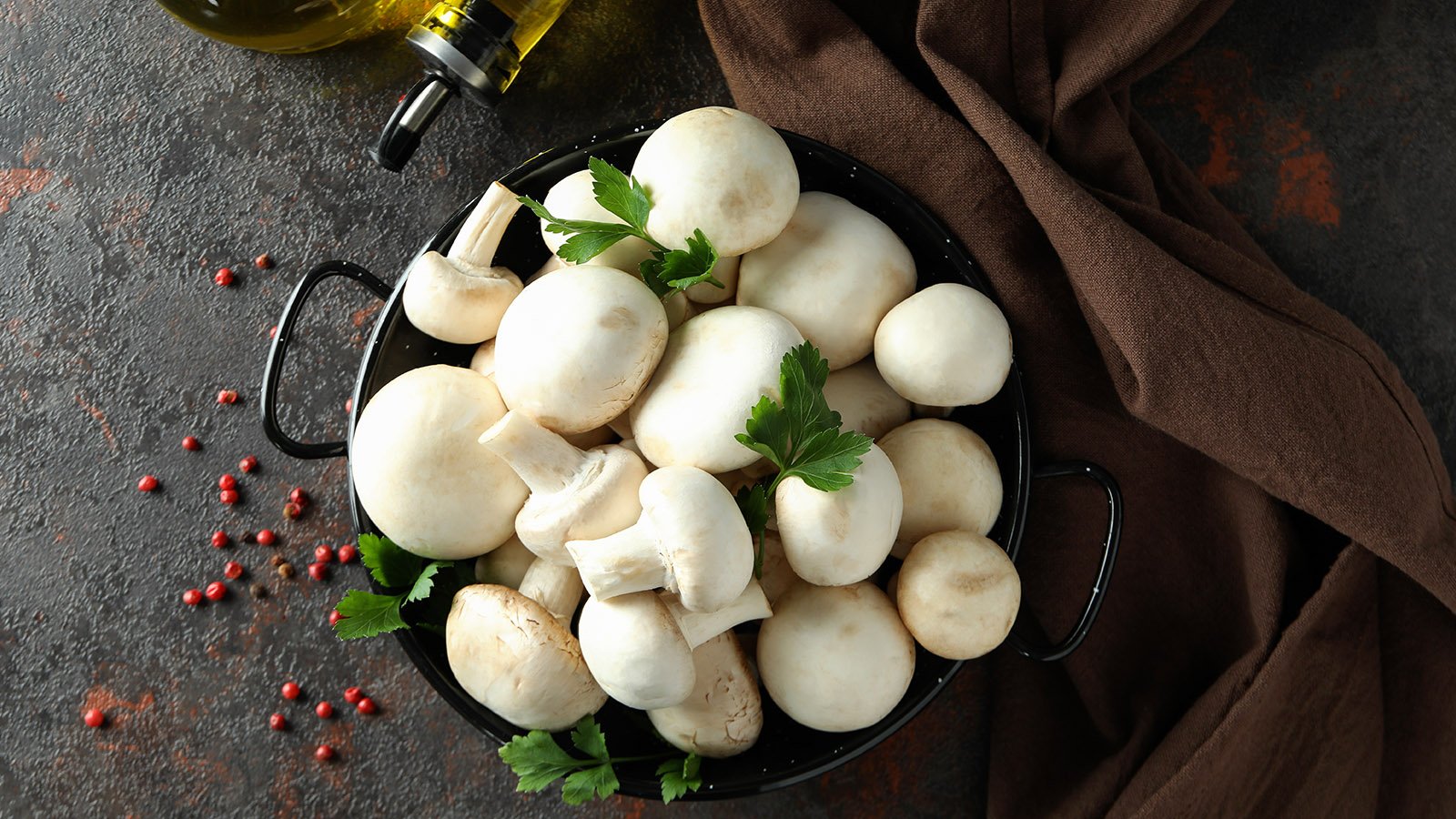
Mushrooms benefits include improved immunity, better heart health, and valuable nutrients that support overall wellness.
Mushrooms are one of nature’s most versatile and nutritious foods. Often called a “hidden treasure,” mushrooms are low in calories yet rich in essential nutrients that support overall health. From boosting immunity to supporting heart and brain health, the benefits of mushrooms make them an excellent addition to a balanced diet.
Whether you enjoy them in soups, curries, stir-fries, or salads, mushrooms offer both taste and nutrition in every bite.
Table of Contents
What Makes Mushrooms a Nutritional Powerhouse?
Mushrooms are unique because they provide important vitamins and minerals while being naturally low in fat and calories. They are also one of the few plant-based foods that can provide vitamin D when exposed to sunlight.
Nutritional Value of Mushrooms (Per 100g)
- Calories: ~22 kcal
- Protein: ~3 g
- Carbohydrates: ~3 g
- Fiber: ~1 g
- Fat: ~0.3 g
- Vitamins: B2, B3, B5, folate, and vitamin D
- Minerals: Selenium, potassium, copper, phosphorus
This nutrient profile explains why mushrooms benefits are often highlighted in healthy eating plans.
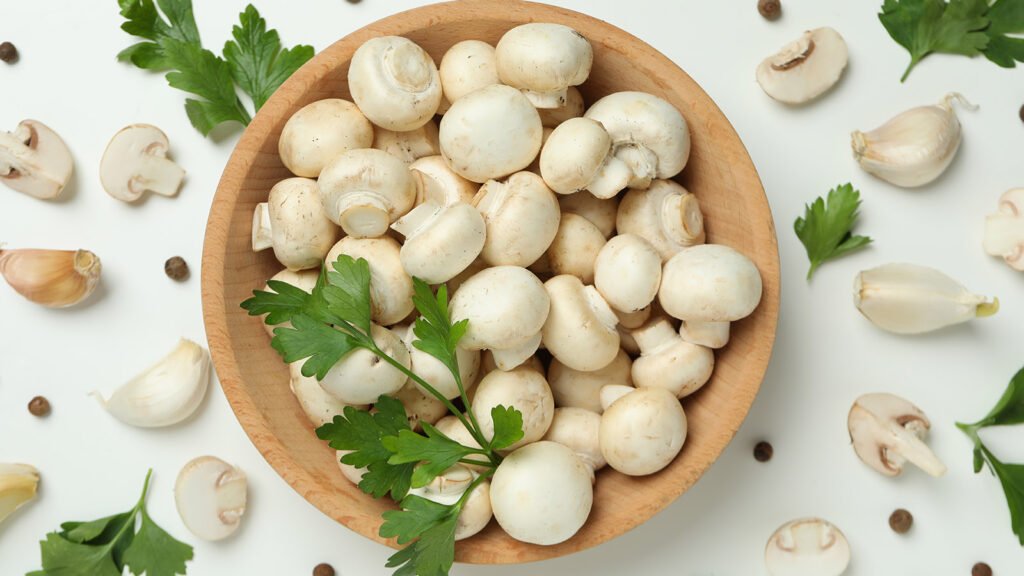
Common Types of Mushrooms
Different types of mushrooms offer unique flavors and nutritional benefits.
Popular Edible Mushrooms
- White Button Mushrooms: Mild flavor, widely used in everyday cooking
- Shiitake Mushrooms: Known for their rich taste and nutritional value
- Portobello Mushrooms: Large and meaty, often used as a meat substitute
- Oyster Mushrooms: Soft texture, suitable for stir-fries and soups
- Maitake Mushrooms: Traditionally valued for wellness benefits
- Enoki Mushrooms: Thin, mild-flavored mushrooms used in Asian dishes
Including a variety of mushrooms helps you enjoy a wider range of nutrients.
One of the key mushrooms benefits is their high antioxidant content, which helps protect the body from oxidative stress.
For better nutrient absorption and overall wellness, you may also read our detailed guide on
what are vitamins and how they work.
Health Benefits of Mushrooms
Mushrooms Benefits for Nutrition
Mushrooms provide essential B vitamins that support energy production and nervous system health. Selenium and other antioxidants help protect cells from oxidative stress.
Antioxidant Properties of Mushrooms
Mushrooms contain antioxidants such as ergothioneine and glutathione. These compounds help reduce oxidative damage, which plays a role in aging and chronic health conditions.
Anti-Inflammatory Effects
Certain mushrooms contain natural compounds that support the body’s response to inflammation. Including them regularly as part of a balanced diet may help maintain overall wellness.
Mushrooms and Brain Health
Research suggests that mushrooms may support brain health due to their antioxidant content.
Cognitive Support
Some studies associate regular mushroom consumption with better memory and cognitive function, especially as part of a nutrient-rich diet.
Neuroprotective Potential
Antioxidants found in mushrooms may help protect brain cells from damage related to aging.
You can also explore other nutrient-rich vegetables in our article on
health benefits of cauliflower.
Mushrooms Benefits for Immunity
Mushrooms contain beta-glucans, which are natural compounds that help support immune function.
Immune System Support
Including mushrooms in meals may help the body respond better to everyday infections by supporting immune balance.
Mushrooms Benefits for Heart Health
Heart health is closely linked to diet, and mushrooms can be a heart-friendly food choice.
Cholesterol Support
Certain mushroom varieties contain compounds that may help maintain healthy cholesterol levels.
Blood Pressure Balance
Mushrooms are a natural source of potassium, which helps support healthy blood pressure levels.
Mushrooms and Weight Management
Mushrooms are ideal for people aiming to maintain or manage their weight.
- Low in calories
- High water content
- Provide fiber for satiety
They can replace high-calorie ingredients without compromising taste.
Culinary Uses of Mushrooms
One of the biggest mushrooms benefits is their versatility in cooking.
Popular Mushroom Dishes
- Mushroom soup
- Stir-fried mushrooms
- Mushroom curries
- Stuffed mushrooms
- Grilled portobello mushrooms
Cooking Tips
- Sauté for quick meals
- Grill or roast for enhanced flavor
- Add to vegetables, rice, or pasta dishes
According to the United States Department of Agriculture, mushrooms are low in calories and provide essential vitamins and minerals.
How to Choose and Store Mushrooms
Choosing Fresh Mushrooms
- Firm texture
- Smooth surface
- No dark spots or sliminess
Storage Tips
- Store in the refrigerator
- Use a paper bag to prevent moisture buildup
- Avoid washing until just before cooking
Possible Side Effects and Precautions
Mushrooms are generally safe when purchased from reliable sources.
- Avoid consuming wild mushrooms unless identified by experts
- Some people may experience mild allergies
- Consume in moderation
Always ensure mushrooms are properly cooked.
Frequently Asked Questions (FAQs)
What are the most nutritious mushrooms?
Shiitake, maitake, oyster, and portobello mushrooms are considered highly nutritious.
Are mushrooms good for weight loss?
Yes, they are low in calories and help promote fullness.
Can mushrooms be eaten daily?
Yes, when consumed as part of a balanced diet.
Do mushrooms support brain health?
They contain antioxidants that may support cognitive function.
Are there any risks of eating mushrooms?
Only if wild or toxic varieties are consumed. Store-bought edible mushrooms are safe.
Conclusion
Mushrooms are a simple yet powerful addition to a healthy diet. From supporting immunity and heart health to aiding weight management and brain function, the benefits of mushrooms make them a valuable everyday food. With their versatility and rich nutrition, mushrooms deserve a regular place on your plate.
⚠️ Disclaimer
This content is for informational purposes only and should not be considered medical advice. Always consult a qualified healthcare professional for personalized dietary guidance.
1 thought on “Mushrooms Benefits: Nutrition, Types, and Health Advantages”