
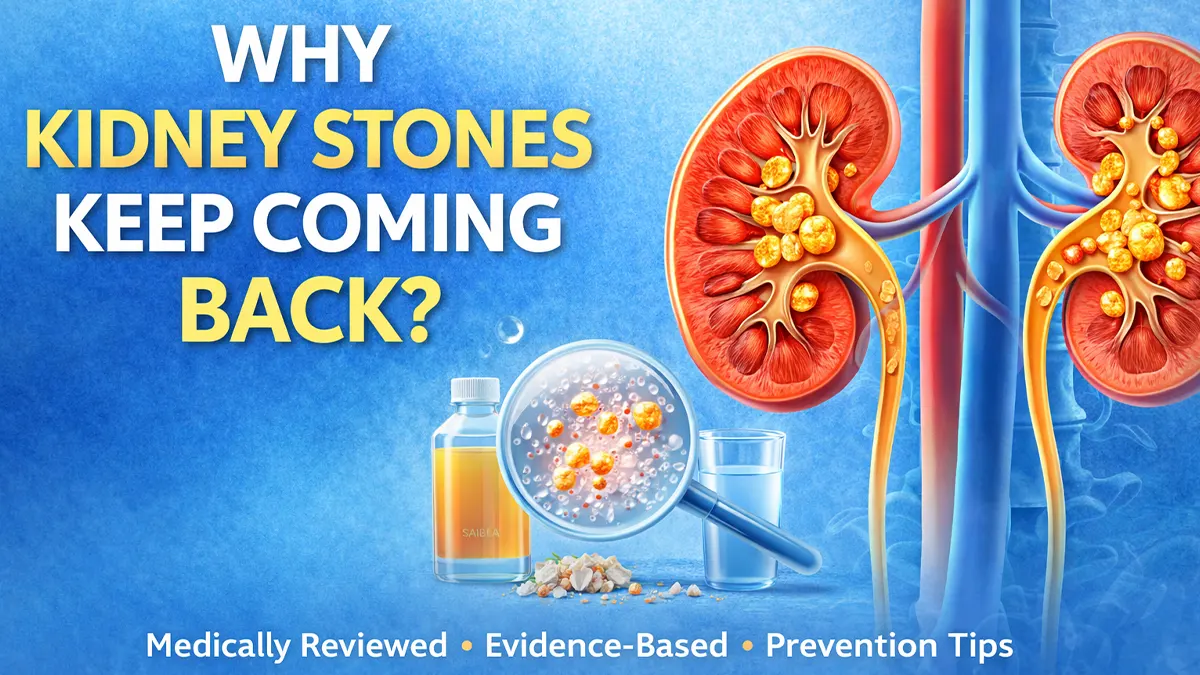
Kidney stone recurrence can feel frightening even after successful treatment. Many patients live with constant anxiety, wondering why kidney stones keep coming back despite medical care. Recurrence is not just a physical condition — it affects daily comfort, mental well-being, and long-term kidney health. Understanding the real causes of kidney stone recurrence empowers individuals to take control, follow preventive habits, and reduce the risk of future painful episodes.
Kidney stones are among the most painful medical conditions a person can experience. While many people feel relief after passing a stone, the fear of recurrence often returns months or even years later. Knowing why kidney stones keep coming back is essential for long-term prevention and sustained kidney health.
Kidney stone recurrence is more common than many realize. Research suggests that nearly 50% of patients may develop another stone within 5–10 years without proper preventive measures. This makes recurrence prevention a crucial part of treatment, particularly in countries like the USA and UK, where lifestyle patterns, hydration habits, and dietary choices significantly influence risk.
Preventing recurrence is not just about avoiding pain — it protects long-term kidney function and quality of life.
Table of Contents
What Is Kidney Stone Recurrence?
Kidney stone recurrence refers to the formation of new kidney stones after a previous episode. These stones may develop in the same kidney, the opposite kidney, or anywhere in the urinary tract.
Many patients mistakenly believe that once a stone is treated, the condition is permanently cured. However, kidney stones are often linked to metabolic, dietary, and lifestyle factors, which can continue to trigger new stone formation.
Understanding early kidney stone symptoms helps identify recurrence risk before severe pain develops.
Why Do Kidney Stones Keep Coming Back?
Several factors explain why stones return. Understanding these causes helps reduce recurrence risk.
1. Chronic Dehydration
Low fluid intake is the leading cause of kidney stone recurrence. When urine becomes concentrated, minerals like calcium, oxalate, and uric acid crystallize more easily.
Hot climates, intense physical activity, and inadequate hydration habits increase this risk.
2. Dietary Patterns and Nutrition
Certain dietary habits contribute to repeated stone formation:
- High salt intake
- Excess animal protein consumption
- Low dietary calcium
- High oxalate foods
- Sugary beverages and processed foods
Modern diets in Western countries often increase the likelihood of recurrence.
3. Metabolic and Genetic Factors
Some individuals naturally produce higher levels of stone-forming minerals due to metabolic disorders. Genetic predisposition also plays a significant role in recurrent kidney stone formation.
Conditions linked to recurrence include:
- Hypercalciuria
- Hyperoxaluria
- Gout and uric acid disorders
- Parathyroid hormone imbalance
4. Incomplete Stone Clearance
Small fragments left behind after treatment can act as a nucleus for future stone growth, leading to relapse.
This is common after procedures like:
- Lithotripsy
- Endoscopic stone removal
5. Urinary Tract Infections
Recurrent UTIs can promote stone formation, especially struvite stones. Chronic infection creates an environment where crystals form rapidly.
This is particularly seen in women and older adults.
6. Lifestyle and Sedentary Behavior
Lack of physical activity affects bone metabolism and calcium regulation. Sedentary lifestyles increase urinary calcium excretion, contributing to recurrence.
Obesity and metabolic syndrome further elevate risk.
Choosing the best water for kidney stones helps dilute urine minerals and reduces relapse risk.
Kidney Stone Recurrence Risk Factors
| Risk Factor | How It Causes Recurrence | Prevention Strategy |
|---|---|---|
| Dehydration | Concentrated urine promotes crystals | Drink 2.5–3.5 liters daily |
| High sodium diet | Increases calcium excretion | Reduce processed foods |
| High oxalate intake | Promotes calcium oxalate stones | Balance diet |
| Recurrent UTIs | Infection stones form | Early treatment |
| Genetic predisposition | Increased mineral imbalance | Medical monitoring |
| Obesity | Alters metabolism | Weight management |
Can Kidney Stones Be Recurrent?
Yes. Kidney stones are a chronic tendency condition rather than a one-time disease for many individuals. Without lifestyle modification, stones can recur multiple times throughout life.
Medical research indicates recurrence rates:
- 30% within 3 years
- 50% within 5–10 years
- Up to 75% lifetime recurrence risk
This highlights the importance of long-term prevention strategies.
Following a proper kidney stone diet plays a major role in preventing recurrence.
Symptoms of Recurrent Kidney Stones
Recurring stones may produce symptoms similar to previous episodes, including:
- Severe flank pain
- Burning urination
- Blood in urine
- Nausea and vomiting
- Frequent urination
- Persistent lower back pain
Early detection helps prevent complications such as kidney damage or infection.
How to Avoid Kidney Stone Recurrence
Preventive strategies significantly reduce relapse risk.
Hydration Strategy
Maintaining pale yellow urine color is a simple indicator of adequate hydration.
Diet Modification
Balanced nutrition plays a key role in prevention:
- Moderate calcium intake
- Reduced sodium consumption
- Controlled protein intake
- Increased citrus fruits
- Limited sugary drinks
The Best Drinks to Prevent Kidney Stones in 2026: A Science-Backed Guide
Medical Monitoring
Regular follow-up tests help track recurrence risk:
- Urine metabolic evaluation
- Blood mineral analysis
- Imaging studies
- Stone composition analysis
Doctors may prescribe preventive medications for high-risk patients.
Lifestyle Prevention Habits
- Regular physical activity
- Healthy body weight
- Avoid prolonged dehydration
- Timely infection treatment
These habits create a long-term protective effect against stone formation.
Kidney Stone Recurrence Calculator Concept
Some hospitals use recurrence prediction tools based on:
- Age and gender
- Stone type
- Metabolic profile
- Lifestyle factors
These tools help doctors personalize prevention plans.
Emotional Impact of Recurring Kidney Stones
Repeated kidney stone episodes can affect mental well-being. Anxiety about sudden pain, medical expenses, and treatment uncertainty may lead to chronic stress.
Understanding prevention and early warning signs helps patients regain confidence and control over their health.
When to See a Doctor
Seek medical evaluation if:
- Pain returns after previous stone treatment
- Frequent UTIs occur
- Blood appears in urine
- Symptoms persist despite hydration
- Fever accompanies urinary symptoms
Early intervention prevents serious kidney complications.
Doctors often recommend kidney stone treatment without surgery for managing small recurrent stones.
Why do kidney stones keep coming back?
Kidney stones often return due to dehydration, dietary habits, genetic factors, or underlying metabolic conditions. Without lifestyle changes, recurrence risk remains high.
Can kidney stones recur after treatment?
Yes. Even after successful treatment or surgery, kidney stones can recur if preventive measures like proper hydration and dietary control are not followed.
How common is kidney stone recurrence?
Studies show that nearly 50% of patients experience recurrence within 5–10 years, especially without long-term preventive strategies.
What increases the risk of kidney stone relapse?
Low fluid intake, high sodium diet, excessive animal protein, obesity, and metabolic disorders significantly increase recurrence risk.
Can lifestyle changes prevent kidney stones from returning?
Yes. Drinking adequate water, reducing salt intake, maintaining healthy weight, and following medical advice can greatly reduce recurrence chances.
Why do some people get kidney stones repeatedly?
Genetic predisposition, chronic dehydration, and untreated metabolic abnormalities make some individuals more prone to recurrent stone formation.
Can recurrent kidney stones cause complications?
Repeated stones may lead to urinary infections, kidney damage, chronic pain, and reduced kidney function if not managed early.
How much water helps prevent kidney stone recurrence?
Most experts recommend 2.5–3.5 liters of fluid daily to dilute urine minerals and lower recurrence risk.
Are recurrent kidney stones a sign of another health problem?
Sometimes yes. Conditions like hyperparathyroidism, gout, or chronic UTIs can contribute to repeated stone formation.
When should you see a doctor for recurrent kidney stones?
Seek medical care if stones return frequently, pain becomes severe, or symptoms like fever, vomiting, or blood in urine occur.
Final Thoughts
Kidney stone recurrence is preventable in many cases with proper hydration, dietary awareness, and medical monitoring. Understanding why kidney stones keep coming back empowers individuals to adopt healthier habits and reduce long-term risks.
Small daily lifestyle changes can make a significant difference in preventing future stones and maintaining overall kidney health.
Medically Reviewed By:
Dr. Jayanth Reddy – Consultant Urologist
My Health Hospitals, Hyderabad
This content has been medically reviewed for accuracy and reliability based on current urology treatment guidelines.
According to the Mayo Clinic, kidney stone recurrence is common without proper prevention. Staying well hydrated, following a balanced diet, and managing underlying medical conditions can significantly reduce the risk of new stone formation.
Author
Yamanandan Reddy
Health Content Writer & Frontend Developer
Yamanandan Reddy is a health content writer and frontend developer with over 4 years of experience in website design and digital content creation. He writes research-based health articles to help readers understand symptoms, causes, treatments, and prevention methods related to common health conditions.
His articles are written using information from trusted medical sources such as the World Health Organization (WHO), Mayo Clinic, and the Centers for Disease Control and Prevention (CDC).
Sources
The information in this article is researched and verified using trusted medical resources, including:
• World Health Organization (WHO)
• Mayo Clinic
• National Institutes of Health (NIH)
• Centers for Disease Control and Prevention (CDC)
Disclaimer
The information provided on HealthyWayCare.com is for educational and informational purposes only. It should not be considered medical advice, diagnosis, or treatment. Always consult a qualified healthcare professional before making any medical decisions or starting any treatment.
1 thought on “Kidney Stone Recurrence – Why Stones Come Again?”