
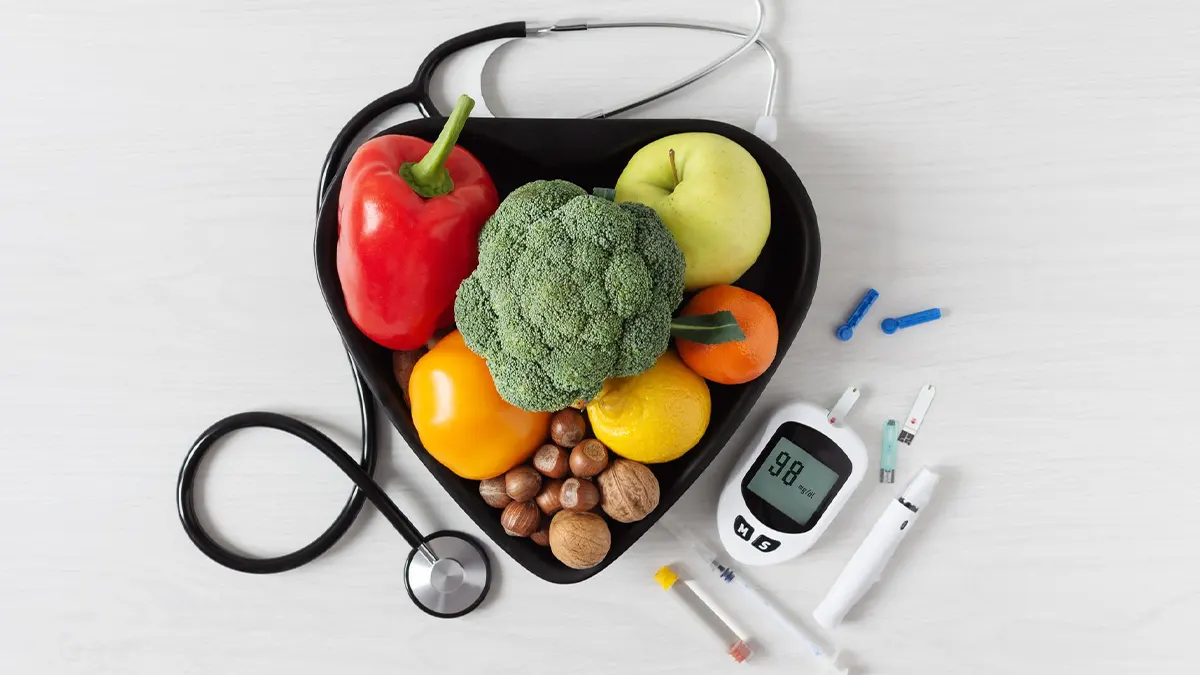
Managing diabetes during colder months can be challenging, as many people notice higher blood sugar levels in winter. A well-planned winter diabetes diet plays a crucial role in preventing sugar spikes caused by reduced physical activity, seasonal cravings, and slower metabolism. By choosing the right low-GI foods and winter superfoods, you can maintain stable blood sugar levels and protect your long-term health.
Why Blood Sugar Rises in Winter & How a Winter Diabetes Diet Helps Control It
Table of Contents
Why a Winter Diabetes Diet Is Important for Blood Sugar Control
Winter may feel comfortable, but for people with diabetes, it often brings unexpected blood sugar spikes. Reduced physical activity, heavier foods, delayed digestion, and hormonal changes can quietly push glucose levels up.
The good news?
Smart winter food choices can naturally control blood sugar—without drastic lifestyle changes.
This guide explains:
- Why blood sugar rises in winter
- How to fix it naturally
- 7 low-GI winter foods that stabilize glucose
- Top Indian winter superfoods for diabetes management
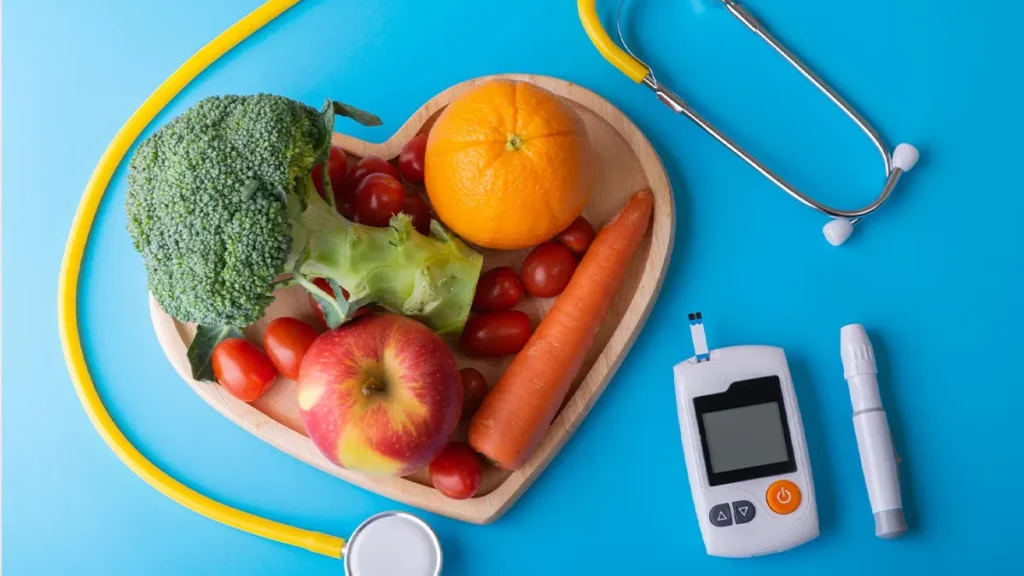
Blood sugar rises in winter due to reduced activity, slower metabolism, increased insulin resistance, and higher intake of carbohydrate-rich foods. Eating low-glycemic index (GI) foods like barley, amla, oats, nuts, and leafy vegetables helps prevent glucose spikes naturally.
Why Does Blood Sugar Rise in Winter?
Winter affects diabetes control in several hidden ways:
1️⃣ Reduced Physical Activity
Cold weather reduces walking and exercise, lowering insulin sensitivity.
2️⃣ Slower Metabolism
The body burns calories slower in winter, leading to higher glucose storage.
3️⃣ Increased Insulin Resistance
Cold stress hormones (like cortisol) can make insulin less effective.
4️⃣ Comfort Foods & Cravings
Winter cravings often include rice, fried snacks, sweets, and tea with sugar.
5️⃣ Less Water Intake
Dehydration concentrates glucose in the bloodstream.
Following a balanced winter diabetes diet helps prevent sudden blood sugar spikes and supports better glucose control during colder months.
Early Warning Signs of Kidney Disease You Should Never Ignore
How to Fix Winter Blood Sugar Spikes Naturally
✔ Choose low-GI foods
✔ Eat warm, fiber-rich meals
✔ Stay hydrated (even if not thirsty)
✔ Maintain light daily activity
✔ Include seasonal superfoods
🥗 The Winter Diabetes Guide: 7 Low-GI Foods That Work
1️⃣ Barley (Jau) – The Winter Glucose Stabilizer
- Very low glycemic index
- Rich in soluble fiber (beta-glucan)
- Slows sugar absorption
How to eat: Barley soup, barley khichdi, barley water
2️⃣ Oats – Keeps You Full, Keeps Sugar Stable
- Low-GI complex carbohydrate
- Prevents sudden hunger spikes
- Improves insulin response
Tip: Choose steel-cut or rolled oats (avoid instant oats)
3️⃣ Amla (Indian Gooseberry) – Natural Insulin Booster
- Improves insulin sensitivity
- Rich in vitamin C & antioxidants
- Supports liver and pancreas health
How to eat: Raw amla, amla juice (no sugar), dried amla
4️⃣ Leafy Greens (Palak, Methi, Gongura)
- Extremely low GI
- High fiber and magnesium
- Improves glucose metabolism
Best options: Palak curry, methi dal, leafy vegetable soups
5️⃣ Nuts & Seeds (Almonds, Walnuts, Flaxseed)
- Healthy fats reduce sugar absorption
- Prevent post-meal glucose spikes
Serving size: A small handful per day
6️⃣ Sweet Potato (In Moderation)
- Lower GI than regular potatoes
- Rich in fiber when boiled
Important: Avoid frying or adding sugar
7️⃣ Yogurt / Curd (Unsweetened)
- Improves gut health
- Supports insulin sensitivity
Tip: Prefer homemade curd, eaten during daytime
According to the World Health Organization (WHO), healthy dietary choices play a key role in managing diabetes.
🌿 Barley to Amla: Top 5 Winter Superfoods for Diabetes
1️⃣ Barley
2️⃣ Amla
3️⃣ Fenugreek (Methi Seeds)
4️⃣ Cinnamon (Dalchini – in small amounts)
5️⃣ Turmeric (Anti-inflammatory support)
These foods work with your body, not against it.
What Foods Should Diabetics Avoid in Winter?
🚫 Sugary tea/coffee
🚫 White rice & refined flour
🚫 Fried snacks
🚫 Packaged winter sweets
🚫 Sweetened fruit juices
Lifestyle Tips for Better Winter Blood Sugar Control
✔ Walk 20–30 minutes daily
✔ Eat at fixed times
✔ Avoid skipping breakfast
✔ Sleep 7–8 hours
✔ Monitor sugar more frequently in winter
FAQs
❓ Does cold weather increase blood sugar?
Yes. Cold stress hormones and reduced activity increase insulin resistance.
❓ Which winter food is best for diabetes?
Barley, amla, oats, leafy greens, and nuts are excellent winter choices.
❓ Can diabetics eat sweet potatoes in winter?
Yes, in moderation and boiled—not fried.
❓ Is amla good for blood sugar control?
Yes. Amla improves insulin sensitivity and supports pancreas health.
❓ Should diabetics avoid fruits in winter?
No. Choose low-GI fruits like guava, berries, apple (small portions).
❓ How often should blood sugar be checked in winter?
More frequently than summer, especially fasting and post-meal levels.
Final Thoughts: Winter Can Be Diabetes-Friendly with the Right Winter Diabetes Diet
Winter does not have to mean poor blood sugar control. By following a balanced winter diabetes diet that includes low-GI foods, seasonal superfoods, and healthy daily habits, you can keep your glucose levels stable even during colder months. Small, consistent dietary choices made in winter can protect long-term health and reduce the risk of diabetes-related complications.
👉 Your food is your first medicine. Choose wisely this winter.
Disclaimer
The content published on HealthyWayCare is for informational and educational purposes only. It is not intended to be a substitute for professional medical advice, diagnosis, or treatment.
We do not provide medical consultations, prescriptions, or personalized medical advice. Always seek guidance from a qualified healthcare professional regarding any health condition, symptoms, medications, or treatment decisions.
HealthyWayCare is not responsible for any actions taken based on the information provided on this website. Health outcomes may vary from person to person.
Do not ignore or delay seeking professional medical advice because of information found on this site.
If you are experiencing a medical emergency, please contact your nearest hospital or emergency services immediately.
useful info 👍
Thank You