
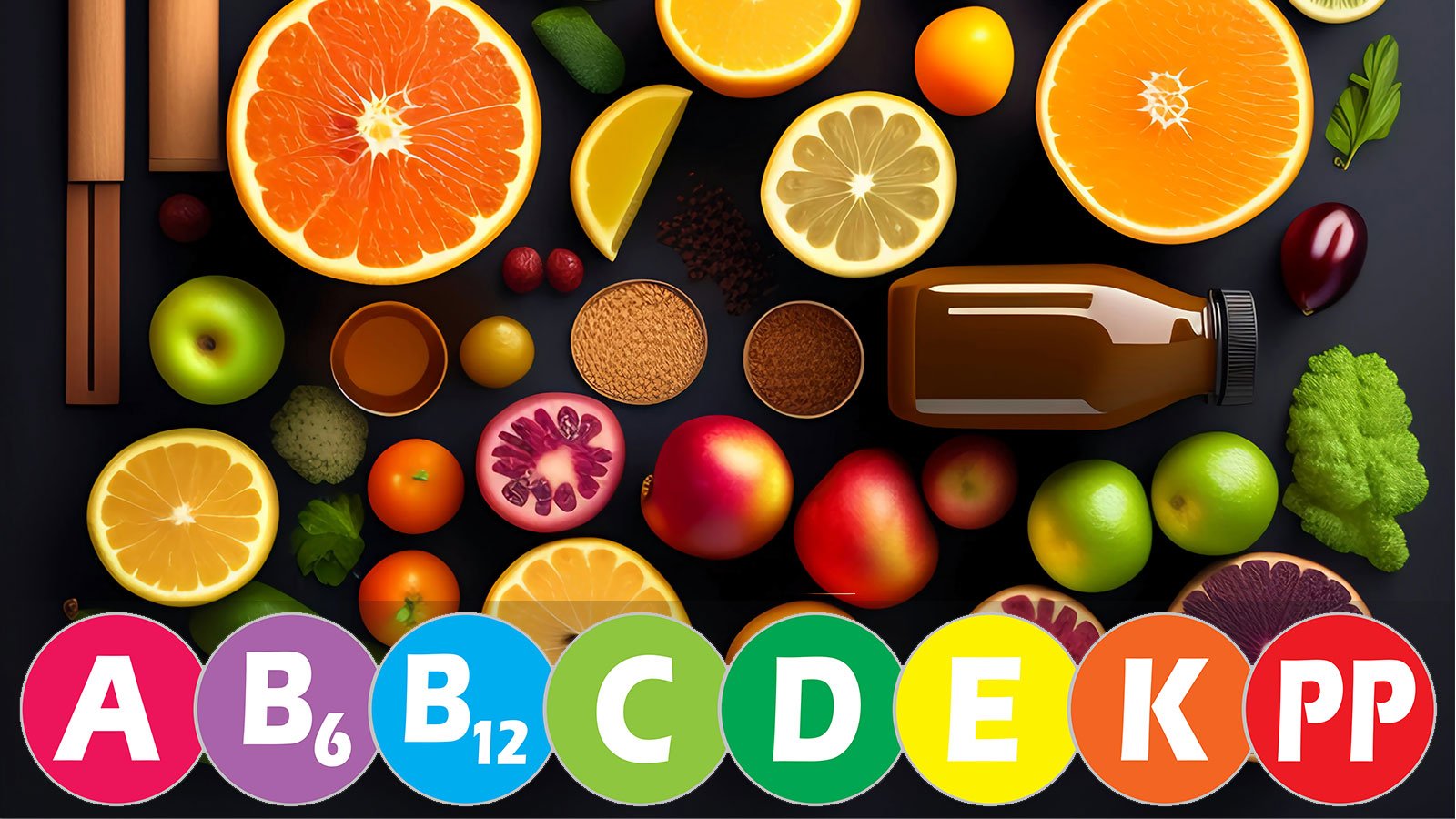
What are vitamins and how they work is a common question for anyone looking to understand how essential nutrients support immunity, energy production, bone health, and overall body function.
Table of Contents
What Are Vitamins and How They Work in the Body
Vitamins are organic compounds required by the body to carry out essential biological processes. Unlike carbohydrates, proteins, and fats, vitamins do not provide energy directly, but they help the body use nutrients efficiently.
Each vitamin has a specific role, and even a small deficiency can lead to health problems over time.
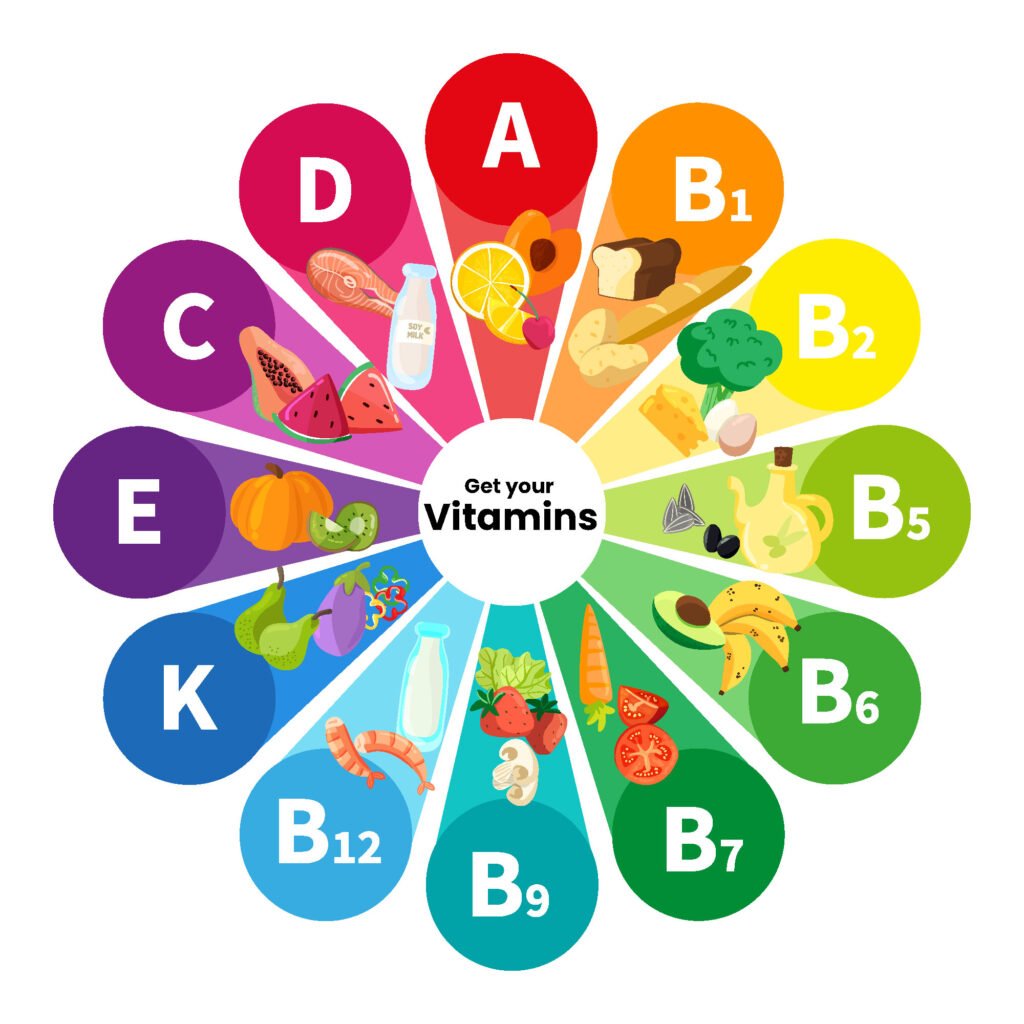
Why Are Vitamins Important for Health?
Vitamins support almost every system in the body, including:
- Immune system function
- Brain and nerve health
- Bone growth and strength
- Vision and eye health
- Skin repair and wound healing
- Blood formation and clotting
Without adequate vitamins, the body cannot perform these functions effectively.
How Do Vitamins Work in the Body?
Vitamins act as coenzymes or regulators, helping enzymes carry out chemical reactions necessary for metabolism and cellular repair.
For example:
- Some vitamins help convert food into energy
- Others protect cells from damage
- Certain vitamins support hormone production
Vitamins often work together, which is why a balanced intake is important.
Understanding what are vitamins and how they work helps prevent nutritional deficiencies and supports long-term health.
Types of Vitamins
Vitamins are classified into two main groups based on how they are absorbed and stored.
Fat-Soluble Vitamins
Fat-soluble vitamins dissolve in fat and are stored in body tissues and the liver.
Fat-Soluble Vitamins Include:
- Vitamin A
- Vitamin D
- Vitamin E
- Vitamin K
These vitamins are absorbed better when consumed with dietary fat.
Vitamin D benefits and deficiency symptoms
Vitamin B complex benefits and deficiency risks
Vitamin C benefits for immunity
Vitamin A benefits and food sources
Vitamin E benefits for skin and health
Vitamin K benefits for blood and bones
Functions of Fat-Soluble Vitamins
- Support vision and immunity (Vitamin A)
- Regulate calcium and bone health (Vitamin D)
- Protect cells from oxidative damage (Vitamin E)
- Support blood clotting and bone strength (Vitamin K)
⚠️ Excess intake can lead to toxicity, so balance is important.
You may also explore our guide on
vitamin B deficiency symptoms and benefits
to understand how B-complex vitamins support energy and nerve health.
Water-Soluble Vitamins
Water-soluble vitamins dissolve in water and are not stored in large amounts. Excess is usually excreted through urine.
Water-Soluble Vitamins Include:
- Vitamin C
- B-complex vitamins (B1, B2, B3, B6, B9, B12)
These vitamins need to be consumed regularly.
Functions of Water-Soluble Vitamins
- Energy metabolism
- Nervous system support
- Red blood cell formation
- Immune system strength
Deficiency can develop quickly if intake is low.
Common Vitamin Deficiency Symptoms
Vitamin deficiencies may cause a wide range of symptoms, depending on the vitamin involved.
General Signs of Vitamin Deficiency
- Fatigue and weakness
- Frequent infections
- Hair loss or skin problems
- Bone pain or muscle weakness
- Poor concentration
Causes of Vitamin Deficiencies
Vitamin deficiencies may occur due to:
- Poor diet
- Limited sunlight exposure
- Digestive disorders
- Chronic illness
- Certain medications
- Increased nutritional needs (pregnancy, illness)
Best Sources of Vitamins
Natural Food Sources
- Fruits and vegetables
- Whole grains
- Dairy products
- Eggs and lean meats
- Nuts and seeds
A varied, balanced diet usually provides sufficient vitamins for most people.
According to the National Institutes of Health (NIH), vitamins are essential micronutrients required for normal metabolism, growth, and immune function.
Do You Need Vitamin Supplements?
Vitamin supplements may be useful when:
- A deficiency is diagnosed
- Dietary intake is inadequate
- Absorption problems exist
However, supplements should not replace a healthy diet and should be taken under medical guidance.
Can Too Many Vitamins Be Harmful?
Yes. Excess intake of certain vitamins—especially fat-soluble vitamins—can cause toxicity.
Possible effects include:
- Nausea and headaches
- Liver damage
- Bone problems
- Increased bleeding risk
Always follow recommended intake levels.
Vitamins and Immune Health
Vitamins such as A, C, D, and E play a key role in immune defense. Deficiencies can weaken the immune system, making the body more susceptible to infections.
Vitamins and Bone Health
Vitamin D and vitamin K are essential for bone strength and calcium regulation. Adequate intake helps reduce fracture risk, especially in older adults.
Vitamins and Skin Health
Vitamins A, C, and E support skin repair, collagen production, and protection against oxidative stress, helping maintain healthy skin.
How to Maintain Healthy Vitamin Levels
- Eat a balanced, nutrient-rich diet
- Include fruits, vegetables, and whole foods
- Get safe sun exposure
- Avoid excessive supplementation
- Consult a healthcare provider when needed
Frequently Asked Questions (FAQs)
What happens if I don’t get enough vitamins?
Vitamin deficiency can lead to fatigue, weak immunity, bone problems, and other health issues.
Are natural vitamins better than supplements?
Food sources are generally preferred, but supplements may be necessary in some cases.
Can I take multiple vitamins together?
Yes, but excessive doses should be avoided without medical advice.
How do I know if I have a vitamin deficiency?
Blood tests and medical evaluation are the best way to diagnose deficiencies.
Conclusion
Vitamins are essential for maintaining health, supporting immunity, and preventing disease. Understanding what vitamins are and how they work helps you make informed dietary and lifestyle choices. A balanced diet, proper sun exposure, and medical guidance when needed are the best ways to maintain optimal vitamin levels.
🔒 Medical Disclaimer
This article is for informational purposes only and does not replace professional medical advice. Always consult a qualified healthcare provider before starting supplements.
2 thoughts on “What Are Vitamins and How Do They Work in the Human Body?”