
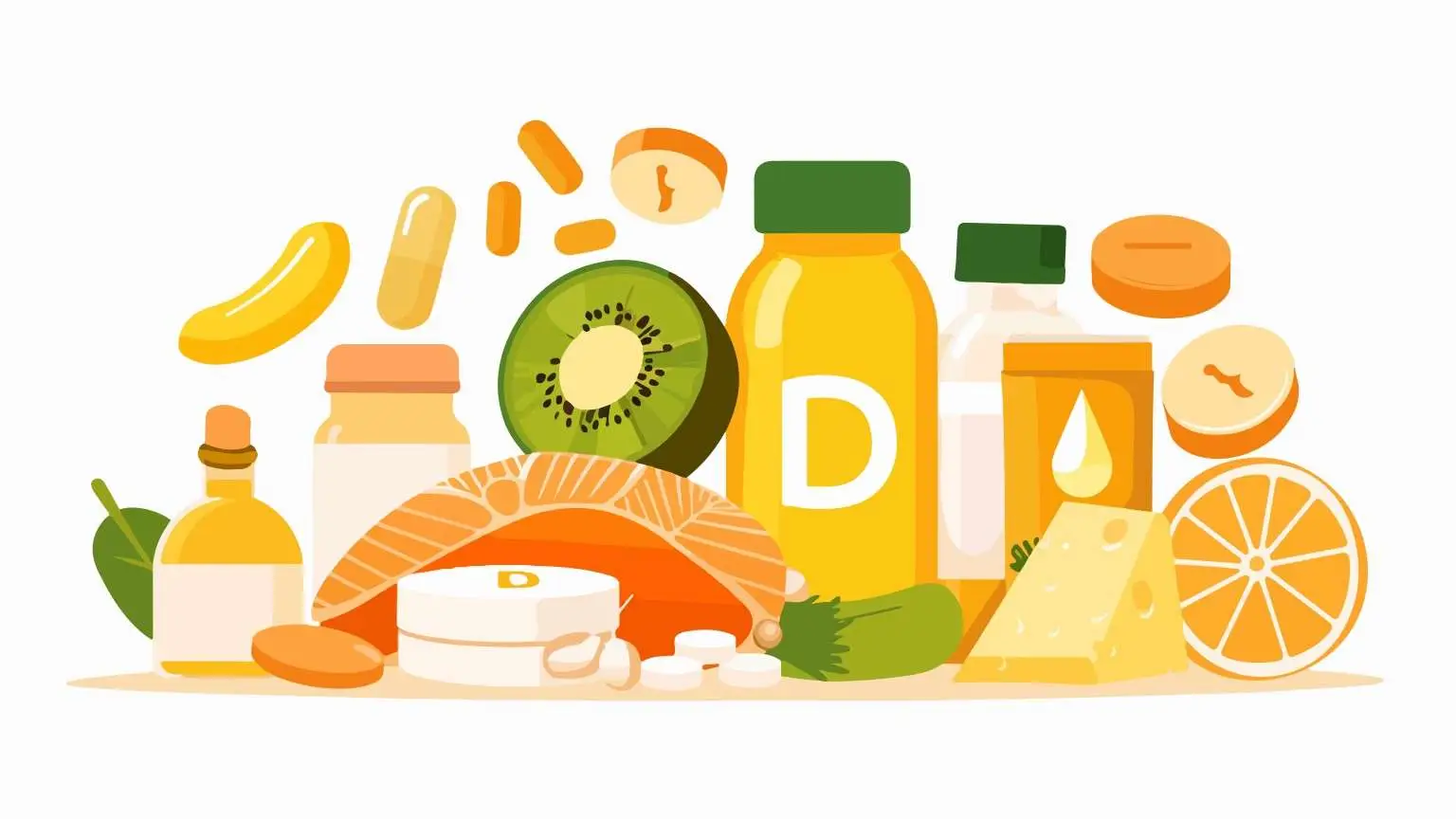
Vitamin D deficiency symptoms benefits include bone pain, muscle weakness, fatigue, low immunity, and increased risk of fractures, especially in adults with low sun exposure.
Vitamin D is an essential nutrient that plays a vital role in bone health, immunity, muscle function, and overall well-being. Vitamin D deficiency is very common, especially in people with limited sun exposure, indoor lifestyles, and certain medical conditions. This guide explains vitamin D benefits, deficiency symptoms, food sources, health risks, and who may need supplementation.
Table of Contents
What Is Vitamin D?
Vitamin D is a fat-soluble vitamin that helps the body absorb calcium and phosphorus—two minerals essential for strong bones and teeth. Unlike most vitamins, vitamin D can be produced by the body when skin is exposed to sunlight.
There are two main forms:
- Vitamin D2 (Ergocalciferol) – from plant sources and fortified foods
- Vitamin D3 (Cholecalciferol) – from sunlight, animal foods, and supplements
Vitamin D3 is generally considered more effective at raising blood vitamin D levels.
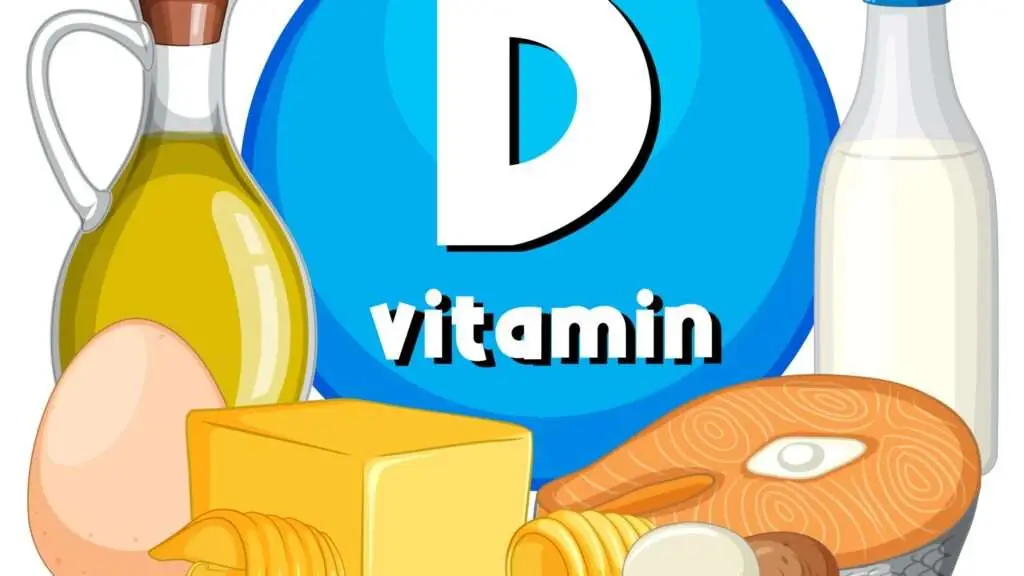
To understand the basics of nutrition, read our complete guide on
what are vitamins and how they work
and how they support overall health.
Vitamin D Deficiency Symptoms Benefits Explained
1. Supports Strong Bones and Teeth
Vitamin D helps the body absorb calcium efficiently. Without adequate vitamin D, bones can become thin, weak, or brittle, increasing fracture risk.
2. Strengthens the Immune System
Vitamin D supports immune cell function and helps the body fight infections. Low levels are associated with frequent colds, flu, and slower recovery from illness.
3. Supports Muscle Function
Adequate vitamin D levels help maintain muscle strength and coordination, reducing the risk of falls—especially in older adults.
4. Helps Maintain Heart Health
Vitamin D may support healthy blood pressure levels and reduce inflammation, which are important factors for heart health.
5. Supports Mental Health
Low vitamin D levels have been linked to mood changes, fatigue, and depressive symptoms. Maintaining adequate levels may support emotional well-being.
Vitamin D Deficiency Symptoms
Vitamin D deficiency often develops slowly and symptoms may be subtle at first.
Common Vitamin D Deficiency Symptoms
- Bone pain or tenderness
- Muscle weakness or cramps
- Fatigue and low energy
- Frequent infections
- Back pain
Severe Deficiency Symptoms
- Bone fractures
- Difficulty walking
- Osteomalacia (soft bones in adults)
- Rickets (in children)
Causes of Vitamin D Deficiency
Vitamin D deficiency may occur due to:
- Limited sunlight exposure
- Excessive indoor lifestyle
- Darker skin tone (reduced vitamin D synthesis)
- Poor dietary intake
- Malabsorption disorders
- Kidney or liver disease
- Obesity
Health Risks of Untreated Vitamin D Deficiency
If vitamin D deficiency is not corrected, it may increase the risk of:
- Osteoporosis
- Bone fractures
- Weakened immunity
- Muscle loss
- Chronic fatigue
- Increased fall risk in elderly
Early detection helps prevent long-term complications.
You may also read our detailed guide on
vitamin B deficiency symptoms and benefits
to understand how multiple vitamin deficiencies affect overall health.
Vitamin D Food Sources
Natural Food Sources
Vitamin D is found in limited foods naturally:
- Fatty fish (salmon, tuna, mackerel)
- Egg yolk
- Liver
- Cod liver oil
For better nutrition planning, explore
how vitamins work in the human body
and their role in preventing nutritional deficiencies.
Vitamin D-Rich Fruits and Plant Sources (Limited)
⚠️ Fruits are not major sources of vitamin D, but some contribute indirectly:
- Mushrooms exposed to sunlight
- Fortified orange juice
- Fortified plant milks
👉 Most vitamin D from diet comes from animal or fortified foods.
Sunlight and Vitamin D
Sunlight is the most effective natural source of vitamin D.
General Guidance:
- 10–20 minutes of sun exposure
- 3–4 times per week
- Expose face, arms, or legs
- Avoid peak afternoon sun
Sun exposure requirements vary by location, skin tone, and season.
Who Is at Higher Risk of Vitamin D Deficiency?
People at higher risk include:
- Older adults
- People with limited sun exposure
- Office workers
- People with darker skin
- Pregnant women
- Individuals with kidney or liver disease
Vitamin D Supplements: When Are They Needed?
Vitamin D supplements may be recommended when:
- Blood levels are low
- Sun exposure is insufficient
- Dietary intake is inadequate
Common Supplement Forms
- Vitamin D3 capsules or tablets
- Liquid drops
- Injectable vitamin D (medical supervision)
👉 Supplements should be taken only as advised by a healthcare provider.
According to the National Institutes of Health (NIH), vitamin D deficiency is linked to bone disorders and weakened immunity, especially in adults with low sun exposure.
Recommended Vitamin D Intake (General Guidance)
| Age Group | Daily Requirement |
|---|---|
| Adults | 600–800 IU |
| Older adults | 800–1000 IU |
| Pregnant women | As advised by doctor |
Dosage depends on blood levels and health conditions.
Can You Take Too Much Vitamin D?
Excessive vitamin D supplementation may lead to:
- High calcium levels
- Nausea and vomiting
- Kidney stones
- Kidney damage
⚠️ Avoid self-medicating with high doses.
Frequently Asked Questions (FAQs)
Is vitamin D good for immunity?
Yes, vitamin D supports immune function and infection resistance.
Can vitamin D deficiency cause body pain?
Yes, bone and muscle pain are common symptoms.
Is vitamin D safe for kidney patients?
Caution is required. Kidney patients should consult a doctor before supplementation.
Can vitamin D be taken daily?
Yes, within recommended limits.
Conclusion
Vitamin D plays a critical role in bone strength, immunity, muscle function, and overall health. Vitamin D deficiency is common but preventable through sunlight exposure, proper diet, and medical guidance. Early diagnosis and appropriate supplementation can help avoid serious health complications.
🔒 Medical Disclaimer
This article is for informational purposes only and does not replace professional medical advice. Always consult a qualified healthcare provider before starting vitamin D supplements.
2 thoughts on “Vitamin D Benefits, Deficiency Symptoms, Sources, and Health Risks”