
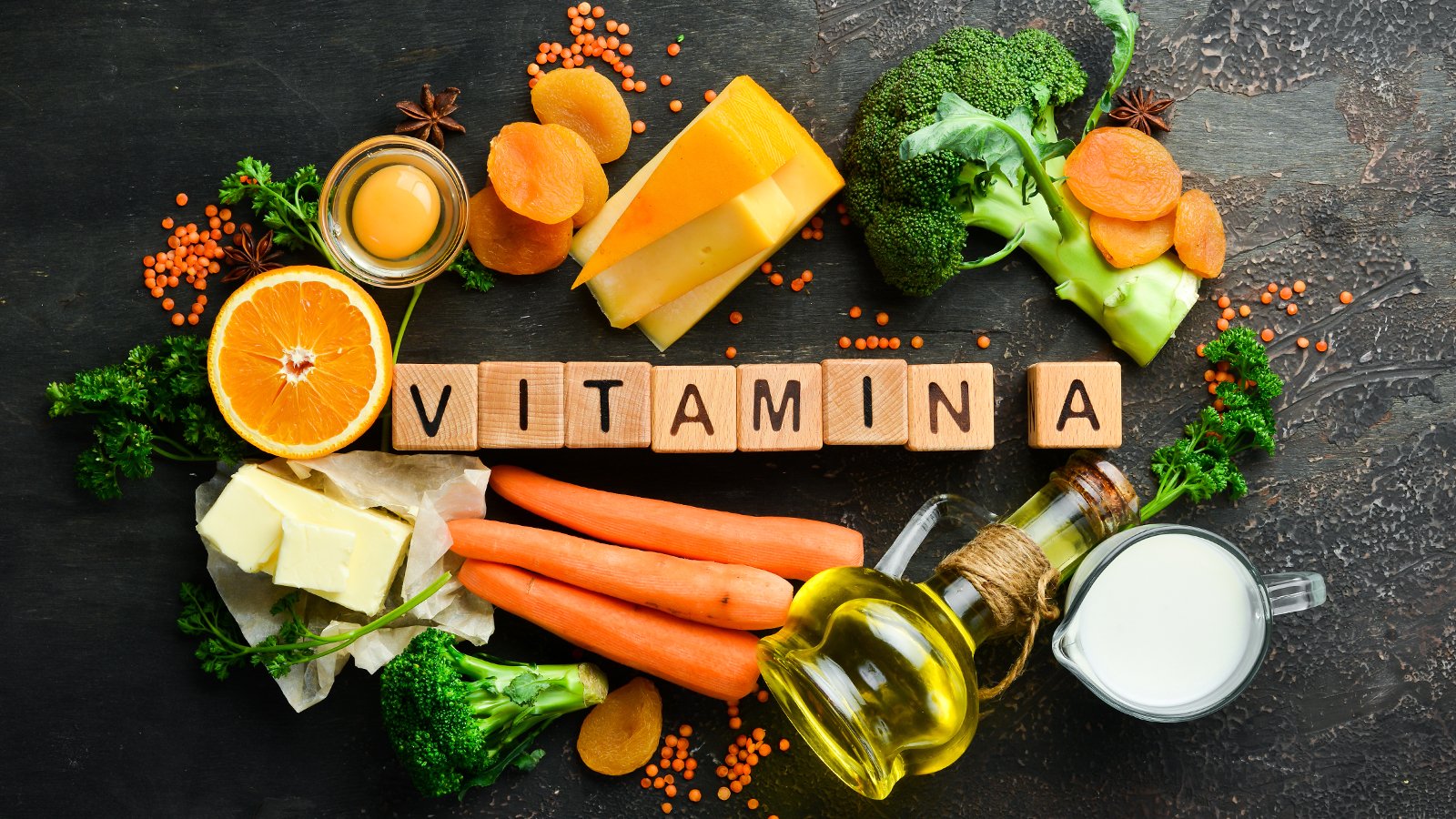
Vitamin A deficiency symptoms benefits include night blindness, dry eyes, weakened immunity, poor skin health, and increased risk of infections if left untreated.
Vitamin A is an essential fat-soluble vitamin that supports vision, immune function, skin health, and normal growth. Vitamin A deficiency can lead to serious health problems, especially related to eyesight and immunity. This article explains vitamin A benefits, deficiency symptoms, food sources, health risks, and safe intake guidelines from a medical perspective.
Table of Contents
What Is Vitamin A?
Vitamin A is a group of compounds important for normal cell growth and immune defense. It exists in two main forms:
- Preformed Vitamin A (Retinol): Found in animal foods such as liver, dairy, and eggs
- Provitamin A (Beta-carotene): Found in plant foods like carrots and leafy vegetables and converted into vitamin A in the body
Because vitamin A is fat-soluble, it is stored in the liver and used when needed.

For a complete overview of essential nutrients, visit our pillar article on
what are vitamins and how they work.
Vitamin A Deficiency Symptoms Benefits Explained
1. Supports Vision and Eye Health
Vitamin A is essential for the formation of rhodopsin, a protein that allows the eyes to see in low light. Adequate intake helps prevent night blindness and supports overall eye function.
2. Strengthens the Immune System
Vitamin A supports the production and function of immune cells and helps maintain the integrity of skin and mucosal barriers, which are the body’s first line of defense against infections.
3. Promotes Healthy Skin
Vitamin A plays a role in skin cell turnover and repair. It helps maintain smooth, healthy skin and supports healing of damaged tissues.
4. Supports Growth and Development
Vitamin A is important for normal growth and development, especially in children. It supports organ development and cellular differentiation.
5. Supports Reproductive Health
Vitamin A contributes to reproductive health in both men and women by supporting normal sperm production and fetal development during pregnancy.
You may also read our detailed guide on
vitamin D deficiency symptoms and benefits
to understand how fat-soluble vitamins support immunity and bone health.
Vitamin A Deficiency Symptoms
Vitamin A deficiency develops gradually and may initially go unnoticed.
Common Vitamin A Deficiency Symptoms
- Night blindness
- Dry eyes or dry skin
- Frequent infections
- Poor wound healing
- Fatigue
Severe Deficiency Symptoms
- Complete vision loss
- Corneal damage (xerophthalmia)
- Increased risk of serious infections
Vitamin A deficiency is more common in people with poor diet or malabsorption disorders.
Learn more about nutritional deficiencies in our article on
vitamin B deficiency symptoms and benefits,
which explains how vitamin imbalance affects overall health.
Causes of Vitamin A Deficiency
Vitamin A deficiency may be caused by:
- Inadequate dietary intake
- Fat malabsorption disorders
- Chronic liver disease
- Poor overall nutrition
- Certain gastrointestinal conditions
Health Risks of Untreated Vitamin A Deficiency
If left untreated, vitamin A deficiency may lead to:
- Permanent vision damage
- Increased susceptibility to infections
- Delayed growth in children
- Increased maternal and infant health risks
Early diagnosis and treatment are essential to prevent complications.
Vitamin A Rich Food Sources
Animal-Based Sources (Retinol)
- Liver (very high content)
- Egg yolk
- Milk and dairy products
- Fish liver oil
Plant-Based Sources (Beta-Carotene)
- Carrots
- Sweet potatoes
- Spinach
- Kale
- Pumpkin
- Red and yellow bell peppers
👉 Consuming plant sources with healthy fats improves absorption.
According to the World Health Organization (WHO), vitamin A deficiency is a major public health concern and a leading cause of preventable blindness.
Vitamin A and Eye Health
Vitamin A deficiency is one of the leading preventable causes of blindness worldwide. Adequate intake supports normal vision and helps prevent dryness of the eyes and night blindness.
Vitamin A Supplements: When Are They Needed?
Vitamin A supplements may be recommended when:
- Blood levels are low
- Dietary intake is insufficient
- Malabsorption conditions are present
⚠️ Supplements should only be taken under medical supervision, as excess intake can be harmful.
Recommended Vitamin A Intake (General Guidance)
| Group | Daily Requirement |
|---|---|
| Adult men | 900 mcg |
| Adult women | 700 mcg |
| Pregnant women | As advised by doctor |
Can Too Much Vitamin A Be Harmful?
Yes. Excessive intake of preformed vitamin A can cause toxicity.
Symptoms of Vitamin A Toxicity
- Nausea and vomiting
- Headache
- Dizziness
- Liver damage
- Bone pain
⚠️ Avoid high-dose supplements without medical advice.
Frequently Asked Questions (FAQs)
Is vitamin A good for eyesight?
Yes, vitamin A is essential for night vision and overall eye health.
Can vitamin A deficiency cause infections?
Yes, low vitamin A weakens immune defenses.
Is vitamin A safe during pregnancy?
Only within recommended limits and under medical guidance.
Can beta-carotene replace vitamin A?
Beta-carotene can be converted to vitamin A, but conversion efficiency varies.
Conclusion
Vitamin A is vital for vision, immunity, skin health, and overall well-being. Vitamin A deficiency can cause serious health problems if left untreated. A balanced diet rich in animal and plant sources, along with medical guidance when needed, helps maintain healthy vitamin A levels and prevents long-term complications.
🔒 Medical Disclaimer
This content is for educational purposes only and does not replace professional medical advice. Always consult a healthcare provider before taking supplements.