
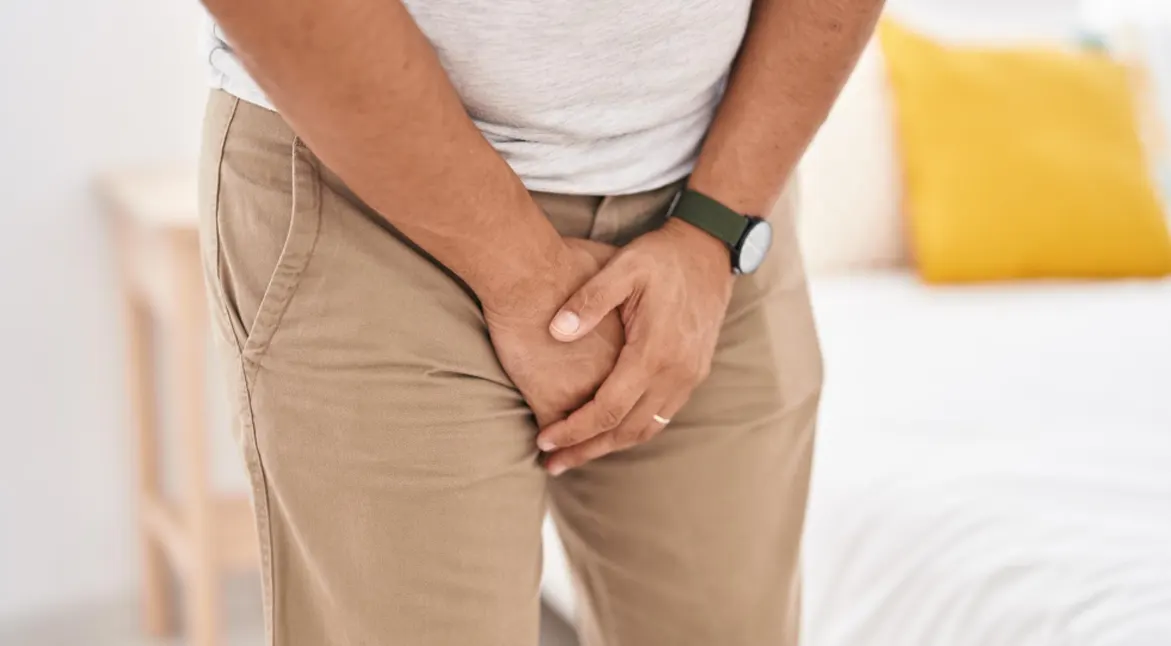
Prostate problems symptoms such as weak urine flow and frequent urination should not be ignored.
Prostate problems are common in men, especially after the age of 40. The prostate is a small gland located below the bladder and plays an important role in male reproductive health. Conditions affecting the prostate can cause urinary symptoms, discomfort, and in some cases serious health complications if left untreated.
This guide explains prostate problems symptoms, common types, causes, diagnosis, and treatment options, helping men understand when to seek medical care.
Table of Contents
What are prostate problems?
Prostate problems refer to conditions affecting the prostate gland, including prostate enlargement (BPH), prostatitis, and prostate cancer. These conditions commonly cause urinary issues such as weak urine flow, frequent urination, and difficulty emptying the bladder.
⚡Quick Facts
- Prostate problems are common in men over 40
- Most cases are non-cancerous
- Early symptoms affect urination
- Early diagnosis improves treatment outcomes
The prostate gland plays a key role in male reproductive health. With age, hormonal changes can cause prostate enlargement or inflammation. Symptoms often include frequent urination at night, weak urine stream, and pelvic discomfort. Lifestyle changes, medications, and medical procedures help manage prostate problems effectively.
Early detection and proper treatment can help manage symptoms effectively and prevent complications.

Types of Prostate Problems
1️⃣ Enlarged Prostate (Benign Prostatic Hyperplasia – BPH)
BPH is the most common prostate condition in older men. It occurs when the prostate gland enlarges and presses against the urethra, causing urinary difficulties.
2️⃣ Prostatitis
Prostatitis is inflammation or infection of the prostate. It can affect men of all ages and may cause pain, urinary symptoms, and fever in acute cases.
3️⃣ Prostate Cancer
Prostate cancer develops when abnormal cells grow in the prostate gland. It is one of the most common cancers in men but is often slow-growing when detected early.
Identifying prostate problems symptoms early helps prevent urinary and kidney complications.
Prostate Problems Symptoms
Common Symptoms of Prostate Problems
- Difficulty starting urination
- Weak or interrupted urine flow
- Frequent urination, especially at night
- Pain or burning during urination
- Feeling of incomplete bladder emptying
Advanced or Serious Symptoms
- Blood in urine or semen
- Pelvic or lower back pain
- Painful ejaculation
- Fever and chills (in infection)
Recognizing prostate problems symptoms early helps in timely diagnosis and effective treatment.
You may also read about
chronic kidney disease symptoms
to understand kidney health risks.
Causes & Risk Factors of Prostate Problems
Several factors can increase the risk of prostate conditions:
- Increasing age
- Hormonal changes
- Family history of prostate disease
- Sedentary lifestyle
- Obesity
- Chronic infections
- Smoking and alcohol use
Maintaining a healthy lifestyle may reduce the risk of prostate issues.
Learn more about urinary infections in
urinary tract infection symptoms.
How Are Prostate Problems Diagnosed?
Doctors may recommend the following tests:
- Digital Rectal Examination (DRE)
- PSA (Prostate-Specific Antigen) blood test
- Urine tests
- Ultrasound or MRI
- Prostate biopsy (if cancer is suspected)
Accurate diagnosis helps determine the right treatment plan.
Treatment Options for Prostate Problems
Treatment depends on the type and severity of the condition.
Medical Treatment
- Medications to relax prostate muscles
- Antibiotics for infections
- Hormone therapy (in specific cases)
Minimally Invasive Procedures
- TURP (Transurethral Resection of Prostate)
- Laser prostate surgery
Advanced Treatment
- Radiation therapy
- Surgery for prostate cancer
Doctors recommend treatment based on symptoms, age, and overall health.
According to the National Cancer Institute, early detection of prostate problems improves treatment outcomes.
Prostate Problems & Urinary Health
Prostate conditions often affect urinary function and may increase the risk of urinary tract infections or kidney issues if untreated.
👉 Related read:
Urinary Tract Infection Symptoms
When to See a Doctor
Consult a doctor if you experience:
- Persistent urinary symptoms
- Pain or blood in urine
- Fever with urinary discomfort
- Family history of prostate cancer
Regular health check-ups are especially important for men over 50.
Prevention & Lifestyle Tips
- Maintain a healthy weight
- Exercise regularly
- Eat a balanced diet rich in fruits and vegetables
- Avoid smoking
- Limit alcohol intake
- Get regular prostate screenings
Healthy habits support long-term prostate health.
Frequently Asked Questions (FAQs)
Are prostate problems common?
Yes. Prostate problems are very common, especially in older men.
Is enlarged prostate cancerous?
No. BPH is non-cancerous, but symptoms may be similar.
Can prostate problems affect kidney health?
Yes. Severe urinary obstruction can lead to kidney damage.
At what age should men get prostate screening?
Most men should start screening after age 50, or earlier if at high risk.
What causes prostate problems?
Aging, hormonal changes, infections, and genetics are common causes.
Are prostate problems serious?
Most prostate problems are manageable, but early diagnosis is essential.
Can prostate problems be prevented?
Healthy diet, regular exercise, and routine screening help reduce risk.
When should I see a doctor?
If urinary symptoms persist or worsen, medical consultation is advised.
Conclusion
Prostate problems are manageable when detected early. Understanding symptoms, undergoing regular check-ups, and following medical advice can help men maintain good urinary and reproductive health. Do not ignore persistent urinary symptoms, as early treatment leads to better outcomes.
⚠️ Medical Disclaimer
This content is for informational purposes only and should not be considered medical advice. Always consult a qualified healthcare professional for diagnosis and treatment of prostate problems.