If you’ve recently seen a higher HbA1c number on your blood report, you’re not alone. Millions of people across the world—especially adults between 25–55—are being told they are prediabetic or at risk of type 2 diabetes. The good news? In many cases, HbA1c levels can be lowered naturally, and pre‑diabetes can be reversed.
This Discover‑friendly guide explains how HbA1c works, what raises it, and the most effective lifestyle changes backed by science—in simple, practical language.
HbA1c can be lowered naturally through diet control, daily physical activity, weight management, quality sleep, and stress reduction.
Pre‑diabetes is reversible for many people if lifestyle changes are started early and followed consistently for 3–6 months.
Table of Contents
What Is HbA1c?
HbA1c (glycated hemoglobin) shows your average blood sugar level over the last 2–3 months. Unlike a fasting sugar test, it reflects long‑term glucose control.
HbA1c Ranges
- Normal: Below 5.7%
- Pre‑diabetes: 5.7% – 6.4%
- Diabetes: 6.5% and above
A rising HbA1c means sugar is staying high in the blood for longer periods—damaging blood vessels, nerves, kidneys, eyes, and heart over time.
Why HbA1c Levels Increase
Common causes include:
- High intake of refined carbs and sugars
- Sedentary lifestyle
- Excess belly fat
- Chronic stress and poor sleep
- Insulin resistance
- Family history of diabetes
Understanding the cause helps you reverse it.
How to Lower HbA1c Levels Naturally
1️⃣ Eat for Blood Sugar Balance
Your daily food choices have the biggest impact on HbA1c.
What to reduce:
- White rice, white bread, bakery items
- Sugary drinks and fruit juices
- Packaged snacks and fried foods
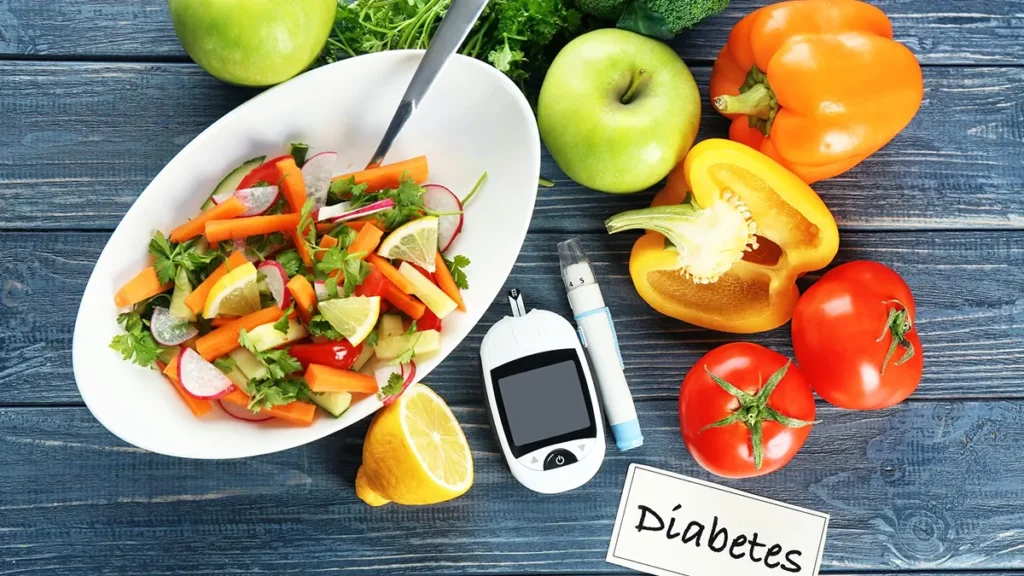
What to include more often:
- Whole grains (millets, oats, barley)
- Leafy vegetables and non‑starchy veggies
- Lean protein (eggs, fish, paneer, lentils)
- Healthy fats (nuts, seeds, olive oil)
👉 Tip: Always pair carbs with protein or fiber to avoid sugar spikes.
2️⃣ Move Your Body Every Day
Exercise improves insulin sensitivity and helps glucose enter cells instead of staying in the blood.
Best options:
- 30 minutes brisk walking daily
- Strength training 2–3 times/week
- Post‑meal walks (10–15 minutes)
Even light daily movement can reduce HbA1c by 0.5–1% over time.
3️⃣ Lose 5–7% of Body Weight (If Overweight)
You don’t need dramatic weight loss.
Losing just 5–7% of body weight significantly lowers insulin resistance and HbA1c—especially in pre‑diabetes.
4️⃣ Improve Sleep Quality
Poor sleep raises cortisol and blood sugar levels.
Sleep tips:
- Aim for 7–8 hours nightly
- Avoid screens 1 hour before bed
- Keep dinner light and early
Better sleep = better glucose control.
5️⃣ Manage Stress Naturally
Chronic stress increases blood sugar even if diet is perfect.
Helpful habits:
- Deep breathing or meditation (10 min/day)
- Morning sunlight exposure
- Yoga or stretching
6️⃣ Consider Natural Support (With Doctor Advice)
Some people benefit from:
- Fiber supplements
- Cinnamon (small amounts)
- Magnesium (if deficient)
⚠️ Always consult your doctor before adding supplements—especially if you’re on medication.
Effective blood sugar control is not about extreme dieting or skipping meals—it’s about creating balance your body can maintain every day. When blood sugar stays stable, insulin works better, energy levels improve, cravings reduce, and long-term risks like diabetes, heart disease, and nerve damage drop significantly. Simple habits such as choosing fiber-rich foods, moving after meals, sleeping well, and managing stress help prevent sudden glucose spikes and keep HbA1c levels in a healthy range over time.
Can Pre‑Diabetes Be Reversed?
Yes—very often.
Pre‑diabetes is a warning stage, not a permanent condition. Studies show that consistent lifestyle changes can return blood sugar to normal range.
What Reversal Looks Like
- HbA1c drops below 5.7%
- Fasting sugar normalizes
- Energy levels improve
- Reduced risk of type 2 diabetes
Most people see improvement within 3–6 months of disciplined changes.
How Long Does It Take to Lower HbA1c?
Since HbA1c reflects 3 months of sugar history:
- Small changes appear in 8–12 weeks
- Significant reduction in 3–6 months
- Long‑term stability with consistent habits
Patience and consistency matter more than perfection.
Who Should Be Extra Careful?
You should monitor HbA1c closely if you:
- Have a family history of diabetes
- Had gestational diabetes
- Have PCOS or fatty liver
- Sit for long hours daily
Early action prevents lifelong medication.
According to global health research, lifestyle changes play a critical role in preventing diabetes progression. In fact, health authorities explain that it is possible to reverse pre-diabetes naturally through consistent weight management, regular physical activity, and healthier eating habits when action is taken early.
Frequently Asked Questions
❓ What is the fastest way to reduce HbA1c naturally?
Combining a low‑GI diet, daily walking, weight loss, and proper sleep is the fastest and safest approach.
❓ Can HbA1c be reduced without medication?
Yes, especially in pre‑diabetes and early diabetes, lifestyle changes alone can significantly reduce HbA1c.
❓ Is walking enough to lower HbA1c?
Walking helps greatly, but combining it with strength training gives better results.
❓ How often should HbA1c be tested?
Every 3 months if pre‑diabetic or diabetic, unless your doctor advises otherwise.
❓ Can stress alone increase HbA1c?
Yes. Chronic stress raises cortisol, which directly increases blood sugar levels.
Final Thoughts
A high HbA1c is not a life sentence.
With the right food choices, daily movement, good sleep, and stress control, you can lower HbA1c naturally—and even reverse pre‑diabetes before it turns into type 2 diabetes.
Small daily habits, practiced consistently, create powerful long‑term health outcomes.
Disclaimer: This content is for informational purposes only and is not a substitute for professional medical advice. Always consult your doctor before making health changes.