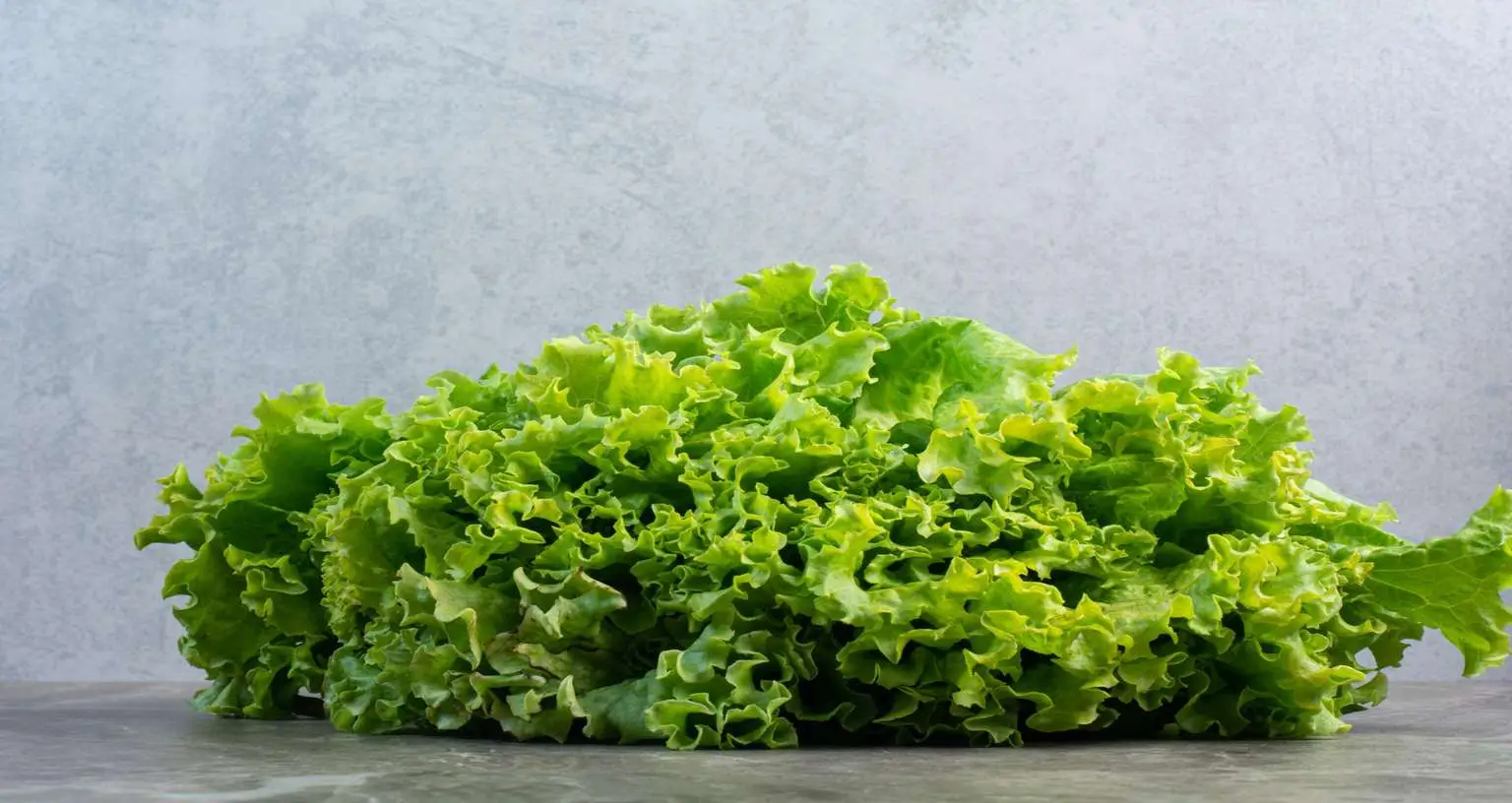
Lettuce health benefits come from its high water content, fiber, and essential vitamins that support hydration, digestion, and healthy weight control.
Lettuce is a light, refreshing leafy vegetable commonly used in salads and sandwiches. With its high water content, low calories, and essential vitamins, lettuce plays an important role in hydration, digestive health, and healthy weight management.
This article explains lettuce health benefits, nutritional value, safe intake, and who should be cautious.
Table of Contents
Nutritional Value of Lettuce
Lettuce is mostly water but still provides valuable nutrients.
Key nutrients in lettuce include:
- Water (90%+) – supports hydration
- Dietary fiber – improves digestion
- Vitamin A – supports eye and immune health
- Vitamin K – supports blood clotting and bone health
- Folate – supports cell growth
- Potassium – helps regulate fluid balance
- Antioxidants – reduce inflammation
Because of this profile, lettuce is considered a hydrating and weight-friendly vegetable.

Lettuce Health Benefits for Hydration
One of the main lettuce health benefits is hydration support.
💧 How lettuce helps hydration:
- High water content helps maintain fluid balance
- Supports skin and body hydration
- Helps prevent dehydration, especially in hot climates
Lettuce is especially useful for people who struggle to drink enough water.
One of the key lettuce health benefits is its ability to keep the body hydrated while supporting gentle digestion.
Lettuce Benefits for Digestion
Lettuce supports gentle digestion.
🥗 Digestive benefits:
- Fiber supports bowel regularity
- Easy to digest for sensitive stomachs
- Helps prevent constipation
- Supports gut movement
Lettuce is suitable for light meals and recovery diets.
To understand how vitamins support digestion and metabolism, read our guide on
what are vitamins and how they work.
Lettuce Benefits for Weight Management
Lettuce is ideal for people trying to lose or maintain weight.
⚖️ Weight control benefits:
- Very low in calories
- High volume, keeps you full
- Reduces overall calorie intake
- Supports healthy eating habits
Replacing high-calorie foods with lettuce can help manage weight effectively.
You may also explore
spinach health benefits
for other leafy green vegetables.
Is Lettuce Good for Heart Health?
Yes, lettuce contributes indirectly to heart health by:
- Supporting hydration
- Providing potassium for blood pressure balance
- Reducing calorie and fat intake
Dark green varieties like romaine provide more nutrients.
Who Should Be Careful with Lettuce?
Lettuce is generally safe, but some precautions are important.
⚠️ Food Safety
- Raw lettuce may carry bacteria if not washed properly
- Always wash thoroughly before eating
⚠️ Digestive Sensitivity
- Excess raw lettuce may cause bloating in some people
How Much Lettuce Is Safe Per Day?
Recommended intake:
- 1–2 cups raw lettuce per day
Variety is important — combine with other vegetables for balanced nutrition.
According to the National Institutes of Health, leafy vegetables like lettuce contribute to hydration and provide essential micronutrients for overall health.
Best Ways to Eat Lettuce
To maximize lettuce health benefits:
✔ Eat fresh in salads
✔ Combine with protein and healthy fats
✔ Wash thoroughly before use
✔ Use darker lettuce varieties
❌ Avoid spoiled or wilted lettuce
❌ Avoid relying on lettuce alone for nutrition
Side Effects of Excess Lettuce Consumption
- Bloating
- Risk of contamination if improperly washed
- Low nutrient density if eaten alone
Balance is key.
Frequently Asked Questions (FAQs)
Is lettuce good for hydration?
Yes. Lettuce contains over 90% water.
Can diabetics eat lettuce?
Yes. Lettuce is low in carbohydrates and safe for diabetics.
Is lettuce good for digestion?
Yes, it supports gentle digestion.
Can lettuce be eaten daily?
Yes, in moderate amounts.
Conclusion
Lettuce is a refreshing, low-calorie vegetable that supports hydration, digestion, and weight management. The lettuce health benefits make it an excellent addition to balanced meals, especially for people aiming for light and healthy diets.
For best results, lettuce should be combined with other nutrient-rich foods.
⚠️ Medical Disclaimer
The information provided in this article is for educational and informational purposes only and should not be considered medical advice. Lettuce health benefits discussed here are based on general nutrition research.
This content is not intended to diagnose, treat, cure, or prevent any disease. Always consult a qualified doctor or dietitian before making dietary changes, especially if you have digestive issues or chronic health conditions.