
Kidney stones treatment depends on the size, type, and location of the stone and may include medicines, laser procedures, or minimally invasive surgery.
Kidney stones are a common urological condition that affects people of all ages and can cause severe pain if not treated on time. These hard mineral deposits form inside the kidneys and may travel through the urinary tract, leading to discomfort, urinary problems, and complications. Understanding kidney stones, their causes, symptoms, and treatment options helps patients seek timely medical care and prevent recurrence.
This comprehensive guide explains everything you need to know about kidney stones, including diagnosis, modern treatment methods, and preventive measures.
Table of Contents
What are kidney stones?
Kidney stones are hard mineral and salt deposits that form inside the kidneys when urine becomes concentrated. They can cause severe pain, burning during urination, blood in urine, and nausea if not treated early.
Kidney stones commonly develop due to low water intake, high salt diets, excess calcium or oxalates, and certain medical conditions. Early symptoms include sharp lower back pain, frequent urination, and cloudy urine. Proper hydration, dietary changes, and timely medical care reduce recurrence risk.
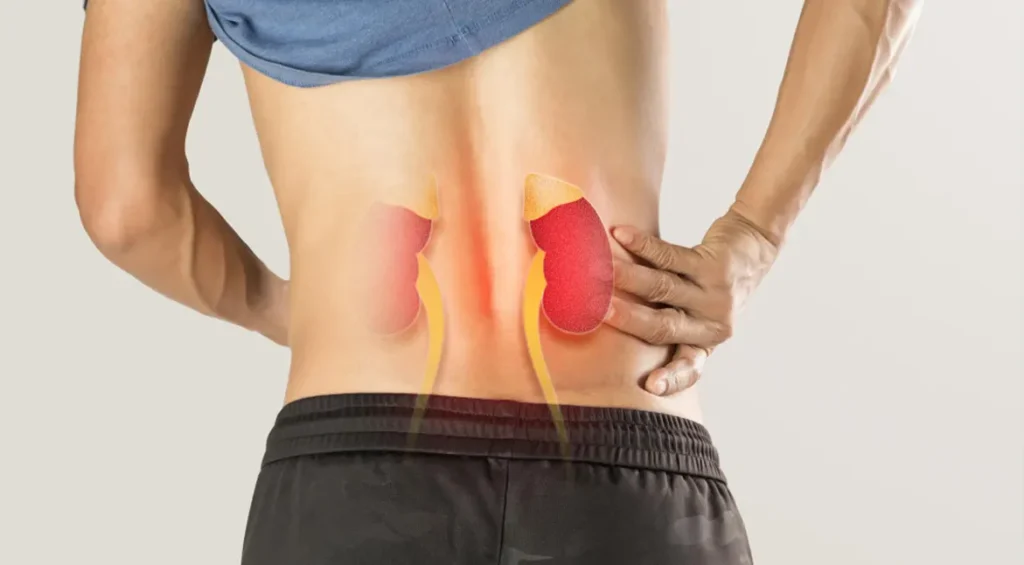
Types of Kidney Stones
There are different types of kidney stones, depending on their composition:
Calcium Stones
The most common type, usually formed from calcium oxalate. These stones are often linked to dehydration and dietary factors.
Uric Acid Stones
Occur when urine is too acidic. More common in people with gout, diabetes, or high-protein diets.
Struvite Stones
Form due to urinary tract infections. These stones can grow quickly and become large.
Cystine Stones
Rare stones caused by a genetic disorder that allows cystine to leak into urine.
Kidney Stones Symptoms
Symptoms may vary depending on the size and location of the stone. Common kidney stone symptoms include:
- Severe pain in the back, side, or lower abdomen
- Pain that radiates to the groin
- Burning sensation during urination
- Blood in urine
- Frequent urge to urinate
- Nausea or vomiting
- Fever and chills (if infection is present)
Sudden and intense pain is often the first sign that a stone is moving.
Causes & Risk Factors of Kidney Stones
Several factors increase the risk of developing kidney stones:
- Low water intake and dehydration
- High salt or high-protein diet
- Excess oxalate-rich foods
- Obesity and sedentary lifestyle
- Family history of kidney stones
- Recurrent urinary tract infections
- Certain medical conditions such as gout or CKD
Understanding the cause helps in preventing future stone formation.
How Kidney Stones Are Diagnosed
Doctors use various tests to diagnose kidney stones accurately:
- Urine tests – detect blood, infection, or crystals
- Blood tests – check calcium, uric acid, and kidney function
- Ultrasound – commonly used imaging test
- CT scan – most accurate method to detect stone size and location
Early diagnosis prevents complications such as kidney damage.
Kidney Stones Treatment Options
Treatment depends on stone size, type, symptoms, and overall health.
Medical Management (Small Stones)
- Increased fluid intake
- Pain relievers
- Medications to help pass stones naturally
Minimally Invasive Procedures
- URS (Ureteroscopy) – removes stones using a scope
- RIRS (Laser Kidney Stone Treatment) – uses laser to break stones
- PCNL (Percutaneous Nephrolithotomy) – for large or complex stones
These procedures are safe and widely used with quick recovery times.
Modern kidney stones treatment methods help patients recover faster with minimal pain and shorter hospital stays.
Kidney Stones Treatment under Aarogyasri
Eligible patients in Telangana can receive kidney stones treatment under the Aarogyasri scheme, which provides cashless care at empanelled hospitals. Approved treatments include diagnostic tests, surgeries, and post-treatment follow-up. This scheme significantly reduces the financial burden for economically weaker families.
👉 Read more:
Kidney Stones Treatment under Aarogyasri
Diet Tips for Kidney Stones Prevention
Diet plays a major role in preventing kidney stones:
- Drink plenty of water daily
- Reduce salt intake
- Avoid excessive animal protein
- Limit oxalate-rich foods if advised
- Maintain balanced calcium intake
A doctor or dietitian can recommend a personalized kidney stone diet.
When to See a Doctor
Consult a doctor immediately if you experience:
- Severe or persistent pain
- Fever with urinary symptoms
- Difficulty passing urine
- Recurrent kidney stones
Early treatment helps avoid serious complications.
Kidney Stones & Chronic Kidney Disease (CKD)
Repeated kidney stones can increase the risk of kidney damage and contribute to chronic kidney disease. Patients with frequent stones should undergo regular kidney function tests and follow medical advice closely.
👉 Related guide:
Chronic Kidney Disease Symptoms & Stages
Frequently Asked Questions (FAQs)
Can kidney stones pass on their own?
Yes, small stones often pass naturally with hydration and medication.
Is laser treatment safe for kidney stones?
Yes, laser procedures like RIRS are safe and minimally invasive.
Can kidney stones come back?
Yes. Without lifestyle changes, recurrence is common.
Are kidney stones dangerous?
If untreated, they can cause infection or kidney damage.
How long does recovery take after surgery?
Most patients recover within a few days to a week.
What causes kidney stones?
Dehydration, high salt intake, excess oxalates, obesity, and family history are common causes.
What foods should kidney stone patients avoid?
High-salt foods, excessive animal protein, spinach, nuts, and processed foods.
Can kidney stones dissolve naturally?
Some small stones may pass naturally with increased fluids, but many require medical treatment.
When should I see a doctor for kidney stones?
If pain is severe, persistent, or accompanied by fever or blood in urine.
Conclusion
Kidney stones are painful but highly treatable when diagnosed early. With modern diagnostic tools, advanced treatment options, and preventive care, patients can recover fully and reduce the risk of recurrence. Maintaining hydration, following dietary advice, and seeking timely medical care are key to long-term kidney health.
According to the National Institute of Diabetes and Digestive and Kidney Diseases, early diagnosis and treatment of kidney stones can prevent complications.
⚠️ Medical Disclaimer
This content is for educational purposes only and should not be considered medical advice. Always consult a qualified healthcare professional for diagnosis and treatment of kidney stones.