
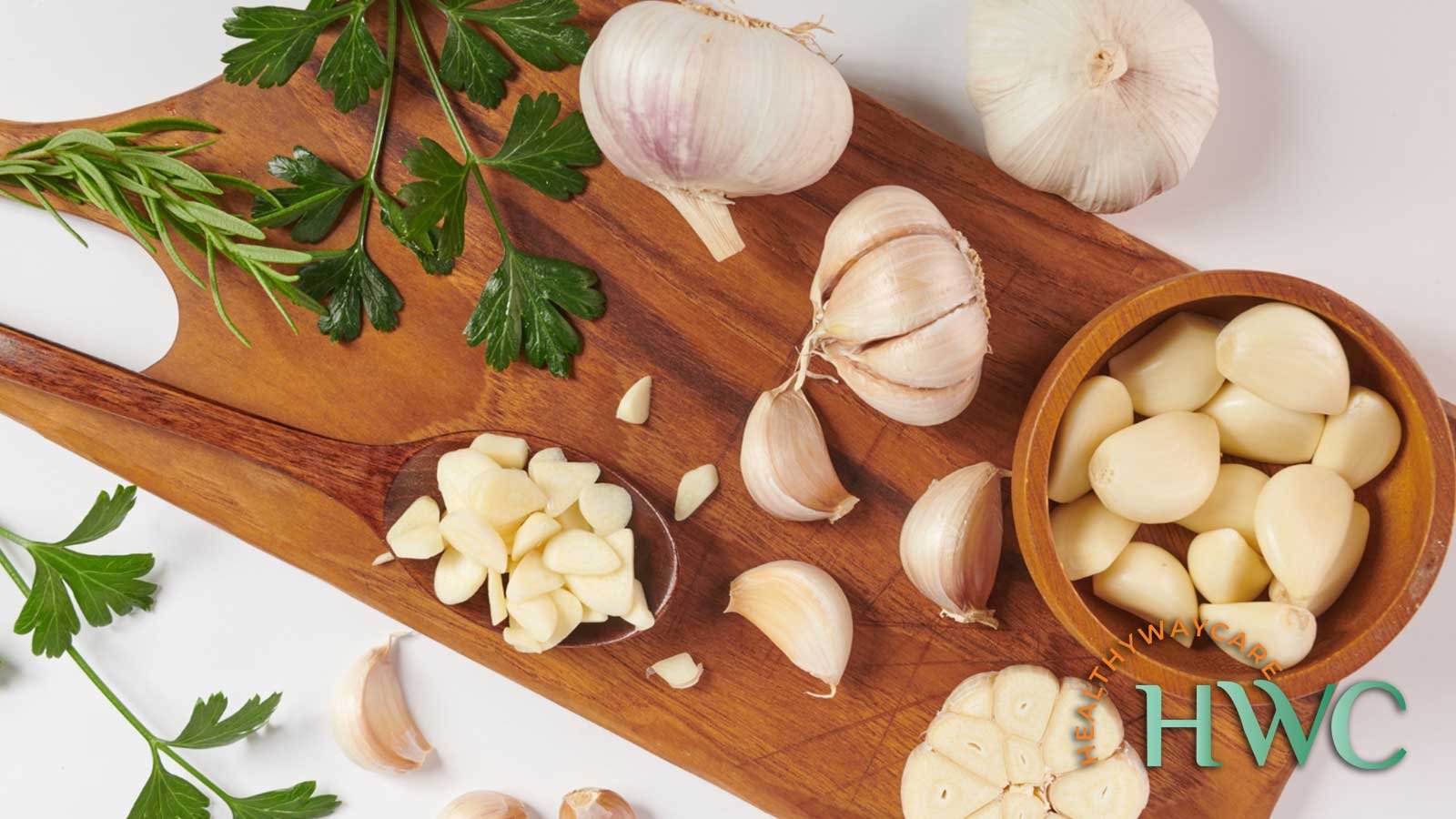
Garlic is more than just a flavorful ingredient used in everyday cooking—it is one of the most researched natural foods in the world. Known for its strong aroma and pungent taste, garlic has been valued for centuries in traditional diets and wellness practices. From supporting heart health to strengthening immunity, the health benefits of garlic make it a true superfood when used correctly and in moderation.
This complete guide explains garlic nutrition, key benefits, traditional uses, how to include garlic in your diet, precautions, and common myths—written in a clear, user-friendly, and AdSense-safe way.
Table of Contents
What Is Garlic?
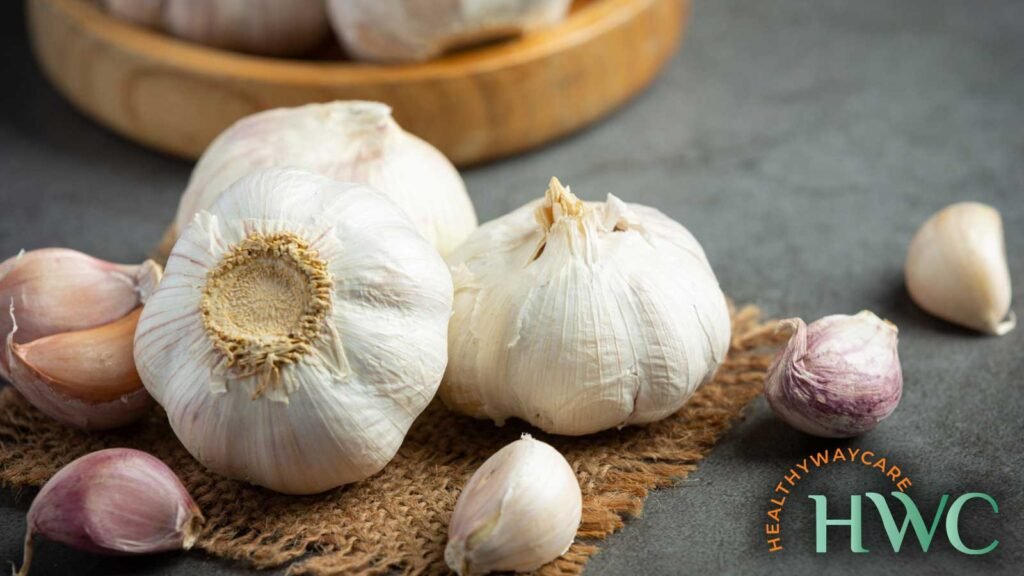
Garlic (Allium sativum) is a bulbous plant closely related to onions, leeks, and shallots. The edible part of garlic is its bulb, which is divided into individual cloves. Garlic has been used across civilizations—from ancient Egypt to traditional Indian and Chinese practices—for both culinary and wellness purposes.
Nutritional Profile of Garlic
Garlic is low in calories but rich in bioactive compounds and essential nutrients.
Nutrients Found in Garlic (per clove)
- Vitamin C
- Vitamin B6
- Manganese
- Selenium
- Small amounts of calcium and potassium
- Sulfur compounds (including allicin)
These compounds are responsible for many garlic benefits when consumed as part of a balanced diet.
Garlic Benefits for Overall Health
Supports Heart and Cardiovascular Health
One of the most studied health benefits of garlic is its role in supporting cardiovascular wellness. Regular garlic consumption may help:
- Support healthy blood pressure
- Maintain cholesterol balance
- Improve blood circulation
Garlic’s sulfur compounds help relax blood vessels, promoting smoother blood flow.
Boosts Immune System Function
Garlic is widely known for its immune-supporting properties. The compound allicin contributes to garlic’s natural antimicrobial activity, helping the body defend itself against seasonal infections.
Including garlic regularly in meals may help strengthen overall immune response.
Anti-Inflammatory Properties
Chronic inflammation is linked to many long-term health concerns. Garlic contains compounds that help the body manage inflammation naturally, supporting joint comfort and overall wellness.
Antimicrobial and Antioxidant Effects
Garlic has been traditionally used to support the body’s defense against bacteria, viruses, and fungi. Its antioxidants also help protect cells from oxidative stress caused by free radicals.
Digestive Health Support
Garlic may support digestion by:
- Stimulating digestive enzymes
- Supporting gut balance
- Reducing bloating and gas
When consumed in moderation, garlic can promote digestive comfort.
Potential Role in Cancer Prevention (Supportive)
Some research suggests that garlic consumption may be associated with a reduced risk of certain cancers. This is linked to its antioxidant and sulfur-containing compounds. Garlic should be viewed as a supportive dietary component—not a treatment.
How to Incorporate Garlic Into Your Diet
Garlic is extremely versatile and easy to include in daily meals.
Simple Ways to Use Garlic
- Add crushed garlic to curries and stir-fries
- Roast garlic and spread on whole-grain bread
- Mix garlic into soups and sauces
- Add raw garlic in small amounts to salads
Let crushed garlic rest for a few minutes before cooking to activate allicin.
Another powerful kitchen spice worth reading about is
health benefits of ginger
Garlic in Traditional Medicine
Garlic has been used in traditional wellness systems for centuries. Historically, it was used to support digestion, immunity, respiratory comfort, and general vitality. Many cultures considered garlic a protective food due to its strong natural compounds.
Raw Garlic vs Cooked Garlic
- Raw garlic: Higher allicin content, stronger taste
- Cooked garlic: Milder flavor, still nutritious
Both forms offer benefits, so balance is key.
Black Garlic Benefits
Black garlic is aged garlic with a soft texture and sweet taste. It contains higher antioxidant levels than raw garlic and is easier to digest for some people. Black garlic supports heart health, immunity, and antioxidant intake.
Garlic Myths Debunked
Garlic as a Vampire Repellent
This is a popular myth rooted in folklore. While garlic has antimicrobial properties, there is no scientific evidence supporting supernatural claims.
Garlic as a Cure-All
Garlic supports health but should not replace medical treatment for serious conditions.
Precautions and Side Effects of Garlic
Garlic is generally safe, but excessive consumption may cause issues.
Possible Side Effects
- Bad breath
- Body odor
- Stomach irritation
- Heartburn
Precautions
- Avoid excessive raw garlic
- People on blood-thinning medication should consult a doctor
- Stop use if allergic reactions occur
Moderation is essential.
You can also explore other nutrient-rich vegetables in our guide on
health benefits of kale
Frequently Asked Questions (FAQs)
Is garlic good for daily consumption?
Yes, small daily amounts are generally safe for most people.
Can garlic lower blood pressure?
Garlic may support healthy blood pressure as part of a balanced diet.
Is raw garlic better than cooked garlic?
Both have benefits; raw garlic contains more allicin, while cooked garlic is easier to digest.
Who should avoid garlic?
People with allergies or those on blood thinners should consult a doctor.
Conclusion
Garlic is far more than a kitchen staple—it is a natural food packed with compounds that support heart health, immunity, digestion, and overall wellness. The health benefits of garlic make it a valuable addition to everyday meals when consumed in moderation. Whether raw, cooked, or aged as black garlic, this ancient superfood continues to earn its place in modern healthy diets.
- National Library of Medicine – Garlic research
⚠️ Disclaimer
This content is for informational purposes only and does not replace professional medical advice. Always consult a qualified healthcare provider before making dietary or health-related changes.