
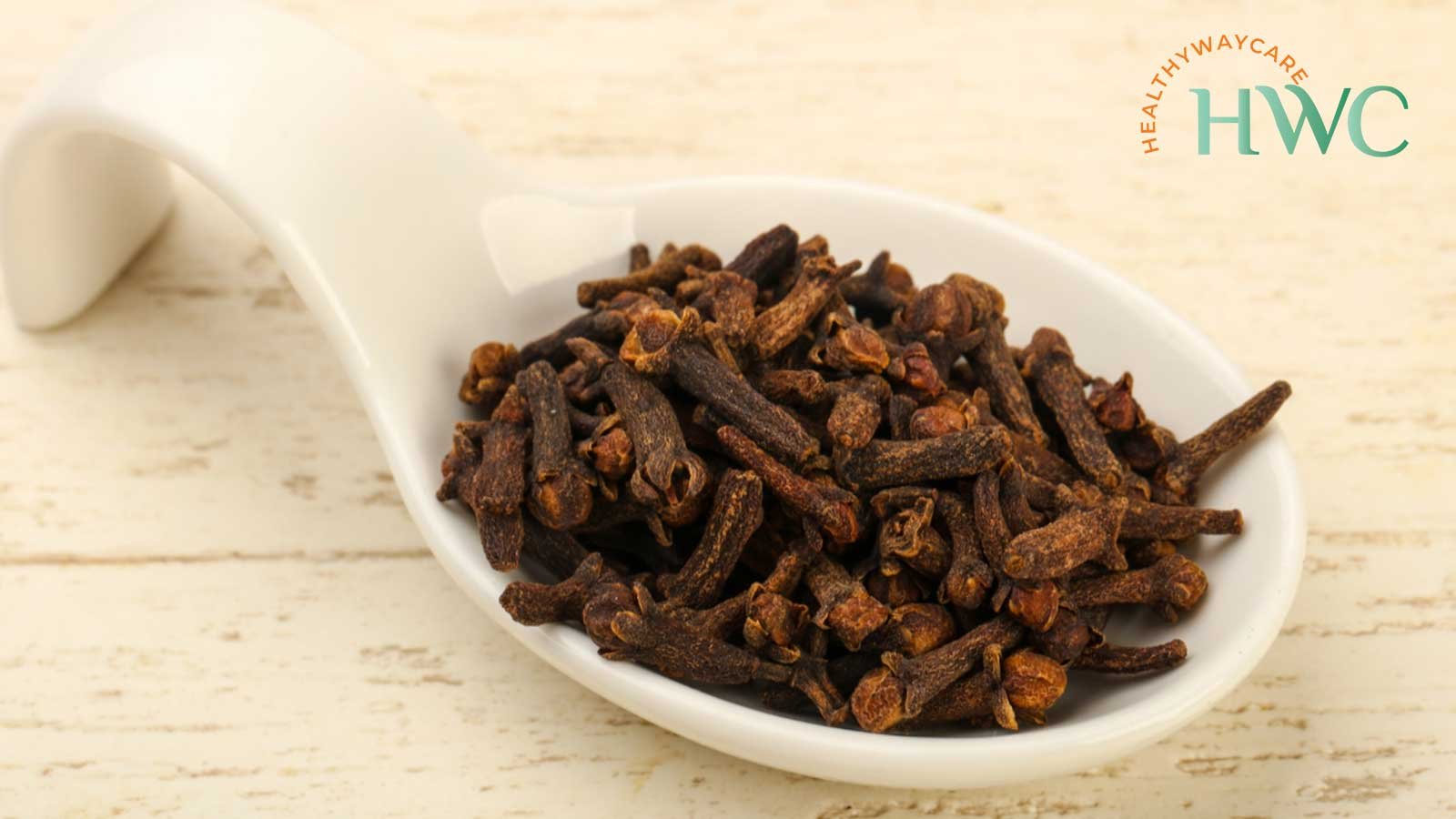
Cloves (Lavangam) are aromatic flower buds widely used in Indian cooking and traditional medicine. Apart from enhancing flavor, cloves are known for their medicinal properties that support digestion, oral health, immunity, and overall wellness. This article explains the health benefits of cloves, how to consume them safely, daily dosage, and possible side effects.
Cloves are dried flower buds known for their antioxidant, antibacterial, and anti-inflammatory properties. Consuming cloves in small amounts may support digestion, oral health, immunity, and overall wellness when used safely.
Table of Contents
What Are Cloves?
Cloves come from the clove tree (Syzygium aromaticum). They are rich in antioxidants and bioactive compounds like eugenol, which gives cloves their strong aroma and many health benefits.
benefits of spices for digestion
Nutritional Value of Cloves (Per 1 tsp – approx.)
- Antioxidants (high)
- Manganese
- Fiber
- Vitamin K
- Small amounts of calcium & iron
These nutrients help protect cells from damage and support metabolism.
Why Cloves Are Considered Medicinal
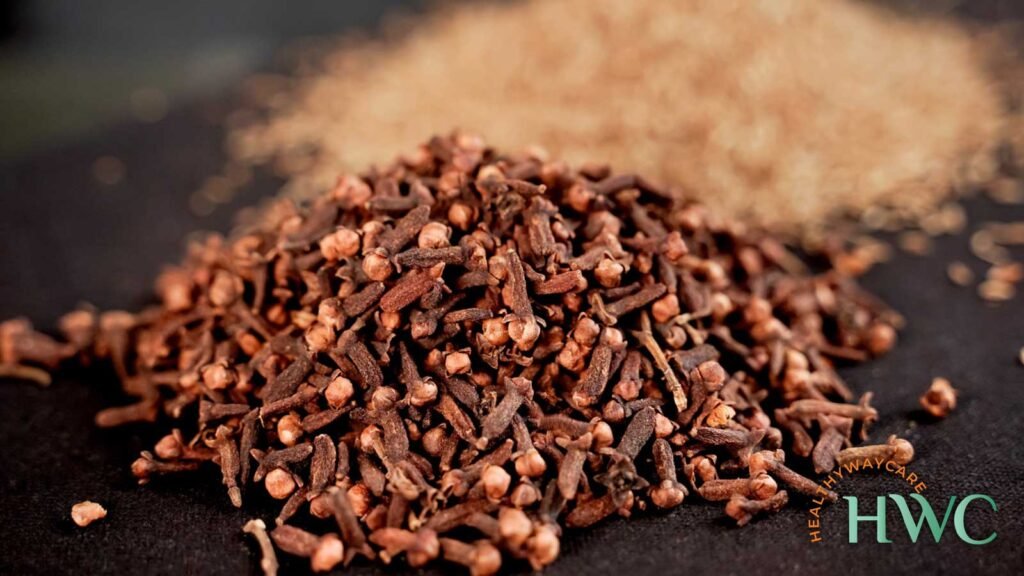
Cloves are considered medicinal because they contain eugenol, a natural compound studied for its antioxidant and antimicrobial effects. This compound helps protect cells from damage, supports oral hygiene, and may reduce inflammation in the body.
Are Cloves Good for Daily Use?
Yes, cloves can be consumed daily in small amounts.
Eating 1 clove per day is generally considered safe for most healthy adults and may help with digestion and freshness of breath. Excessive intake, however, should be avoided.
Best Time to Eat Cloves
The best time to eat cloves is in the morning on an empty stomach or after meals to support digestion. Some people also consume cloves at night as part of herbal tea for relaxation.
Top Health Benefits of Cloves
1. Improves Digestion
Cloves stimulate digestive enzymes, helping reduce gas, bloating, and indigestion. Chewing a clove after meals may improve digestion naturally.
2. Supports Oral Health
Clove oil is traditionally used for toothache relief. Its antibacterial properties help reduce oral bacteria, bad breath, and gum inflammation.
3. Rich in Antioxidants
Cloves are among the highest antioxidant-rich spices. Antioxidants help fight free radicals and may reduce the risk of chronic diseases.
4. Boosts Immunity
The compounds in cloves help the body fight infections and support immune system function, especially during seasonal illnesses.
5. Helps Control Blood Sugar (Supportive)
Some studies suggest cloves may help improve insulin function and support healthy blood sugar levels when used in moderation.
6. Anti-Inflammatory Properties
Eugenol in cloves may help reduce inflammation and pain, which is why cloves are used in traditional remedies.
According to Healthline, cloves are rich in antioxidants and eugenol.
How to Use Cloves for Health
- Chewing: 1 clove daily in the morning
- Clove Tea: Boil 2–3 cloves in water
- Cooking: Add to curries, rice, and herbal drinks
- Clove Oil: For external use only (toothache, massage)
How Many Cloves Can You Eat Per Day?
✔ Safe limit: 1–2 cloves per day
❌ Excess intake may cause irritation or side effects
Side Effects & Precautions
Avoid excessive consumption if you:
- Have liver problems
- Are pregnant or breastfeeding
- Take blood-thinning medications
- Use clove oil internally (only external use recommended)
Always consult a doctor if you have medical conditions.
Frequently Asked Questions (FAQs)
Can we eat cloves daily?
Yes, eating 1 clove daily is generally safe for most people.
Are cloves good for stomach problems?
Yes, cloves may help reduce gas, bloating, and indigestion.
Do cloves have side effects?
Excessive intake may cause mouth irritation or digestive discomfort.
Who should avoid cloves?
People with bleeding disorders, liver disease, or during pregnancy should consult a doctor before use.
Medical Disclaimer
This content is for educational purposes only and is not a substitute for medical advice. Always consult a qualified healthcare professional before making dietary or health changes.
Author
Written by Healthy Way Care Team
We publish evidence-based health and wellness content to help readers make informed lifestyle choices.
References
- Healthline – Clove Nutrition & Benefits
- WebMD – Clove Uses and Safety
- PubMed – Eugenol and antioxidant properties