
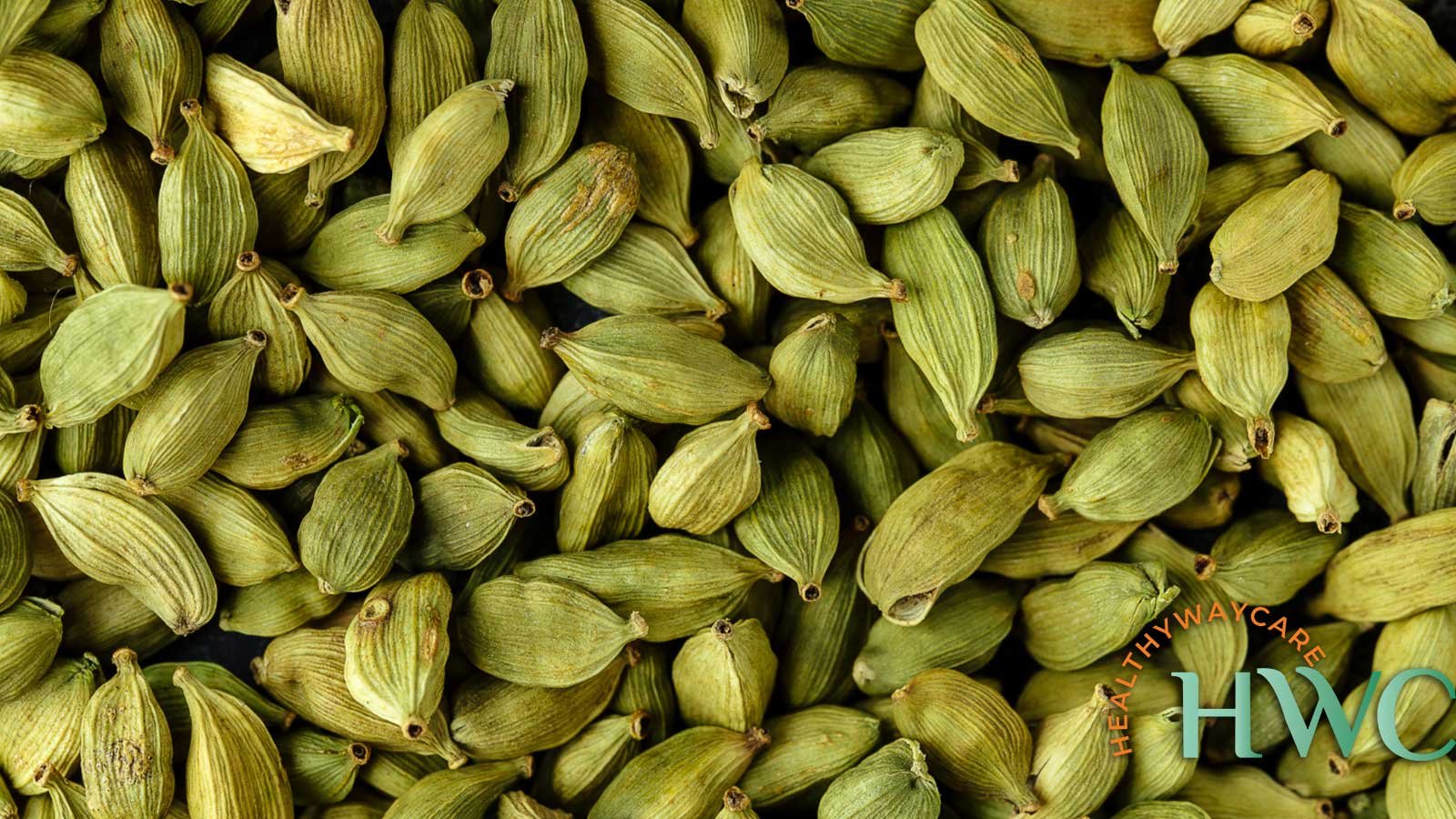
Cardamom is one of the most treasured spices in the world, valued for its rich aroma, warm flavor, and traditional wellness uses. Commonly known as elaichi, cardamom has been used for centuries in cooking, herbal drinks, and traditional practices across India and other parts of Asia. Beyond its culinary appeal, cardamom offers several health-supporting properties when consumed in moderation.
This article explores the health benefits of cardamom, including green cardamom benefits, cardamom tea benefits, cardamom oil uses, and simple ways to include it safely in daily life.
Table of Contents
A Brief History of Cardamom
Cardamom originates from the lush forests of India and Sri Lanka. It was highly prized along ancient spice trade routes and was used in Ayurvedic traditions for digestion, freshness, and overall balance. Today, cardamom remains an essential spice in both traditional and modern kitchens worldwide.
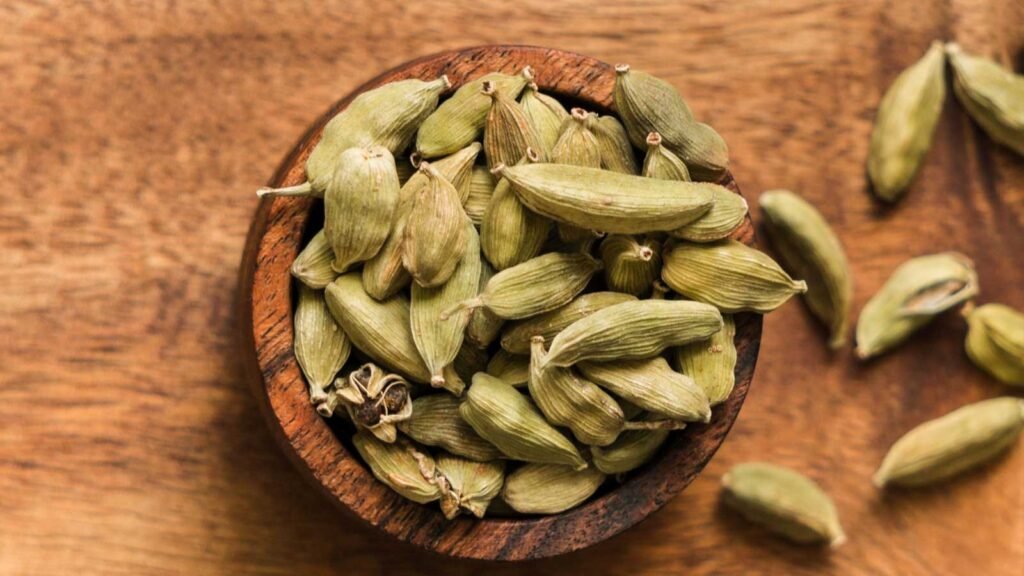
Nutritional Value of Cardamom
Cardamom contains small but meaningful amounts of essential nutrients and plant compounds.
Key Nutrients in Cardamom
- Dietary fiber
- Manganese
- Magnesium
- Potassium
- Antioxidant compounds
These nutrients contribute to many cardamom health benefits when used as part of a balanced diet.
You can also explore another powerful spice in our detailed guide on
health benefits of ginger.
Health Benefits of Cardamom (Elaichi)
Supports Digestive Comfort
One of the most well-known elaichi health benefits is digestive support. Cardamom is traditionally used to:
- Reduce bloating and gas
- Support healthy digestion
- Improve appetite
It is often added to warm drinks after meals.
Cardamom Tea Benefits
Cardamom tea is both refreshing and soothing.
Benefits of cardamom tea include:
- Helps digestion
- Supports respiratory comfort
- Provides warmth and relaxation
- Supplies antioxidants
Cardamom tea is especially popular during cold weather.
Cardamom Oil Benefits
Cardamom oil is extracted from cardamom seeds and used in aromatherapy.
Common cardamom oil benefits:
- Promotes relaxation
- Helps reduce stress
- Supports digestive comfort
- Freshens breath when used properly
⚠️ Always dilute cardamom oil before topical use.
For natural diet alternatives, read our article on
health benefits of jaggery.
Green Cardamom Benefits
Green cardamom is the most commonly used variety.
Green cardamom benefits include:
- Digestive support
- Oral freshness
- Antioxidant protection
- Heart-friendly mineral content
Its mild, sweet flavor makes it suitable for both food and beverages.
Cardamom for Oral Health
Cardamom has natural aromatic compounds that help maintain oral freshness. Chewing cardamom seeds is a traditional practice used to:
- Freshen breath
- Support oral hygiene
- Reduce unpleasant mouth odor
Anti-Inflammatory Properties
Cardamom contains antioxidants that help reduce oxidative stress in the body. This supports overall wellness and may help the body manage mild inflammation naturally.
Heart Health Support
The antioxidant and mineral content in cardamom supports cardiovascular wellness. Potassium helps maintain fluid balance, while antioxidants support heart health when combined with a balanced diet.
Respiratory Comfort
Cardamom is traditionally used in warm drinks to support breathing comfort. Its aromatic nature makes it popular during seasonal changes and pollution exposure.
According to the National Library of Medicine, cardamom contains antioxidant compounds that support overall health.
Stress Relief and Mental Relaxation
The pleasant aroma of cardamom has calming effects. Cardamom tea or cardamom-infused drinks may help:
- Reduce stress
- Improve mood
- Promote relaxation
Blood Sugar Balance (Supportive Role)
Some traditional practices suggest cardamom may support balanced blood sugar levels by supporting metabolism. However, it should not replace medical care or treatment.
Immune System Support
The antioxidant content in cardamom supports immune health by protecting cells from oxidative damage and supporting overall vitality.
Skin and Hair Support
Cardamom contains antioxidants that support overall skin health. A nutrient-rich diet that includes cardamom may help maintain:
- Healthy-looking skin
- Scalp cleanliness
- Natural hair shine
Weight Management Support
Cardamom is sometimes included in wellness routines due to its warming nature. It may:
- Support metabolism
- Help reduce cravings
- Promote digestive efficiency
It should be used as part of a balanced lifestyle.
Culinary Uses of Cardamom
Cardamom adds flavor and aroma to many dishes.
Popular uses include:
- Tea and coffee
- Desserts and sweets
- Rice dishes and curries
- Baked goods
A small quantity goes a long way.
Types of Cardamom
- Green cardamom: Sweet, floral, most commonly used
- Black cardamom: Smoky, earthy, used in savory dishes
Both varieties offer unique flavors and benefits.
How to Use Cardamom Safely
- Add 1–2 pods to tea
- Use ground cardamom in cooking
- Chew seeds occasionally for freshness
- Use cardamom oil only in diluted form
Moderation is essential.
Possible Side Effects and Precautions
Cardamom is generally safe, but excessive use may cause discomfort.
Precautions:
- Avoid excessive consumption
- Essential oil must be diluted
- Pregnant women should consult a doctor
- Allergies are rare but possible
Frequently Asked Questions (FAQs)
What are the different types of cardamom?
Green and black cardamom are the two main types.
Can cardamom help with bad breath?
Yes, chewing seeds may help freshen breath.
Is cardamom safe for daily use?
Yes, when used in small amounts.
Can cardamom help with weight loss?
It may support metabolism but is not a weight-loss treatment.
Conclusion
Cardamom is far more than a flavorful spice. The health benefits of cardamom range from digestive support and oral freshness to relaxation and antioxidant protection. When used in moderation, cardamom can be a valuable addition to a healthy diet and lifestyle.
⚠️ Disclaimer
This content is for informational purposes only and does not replace professional medical advice. Consult a qualified healthcare provider before making dietary changes.