
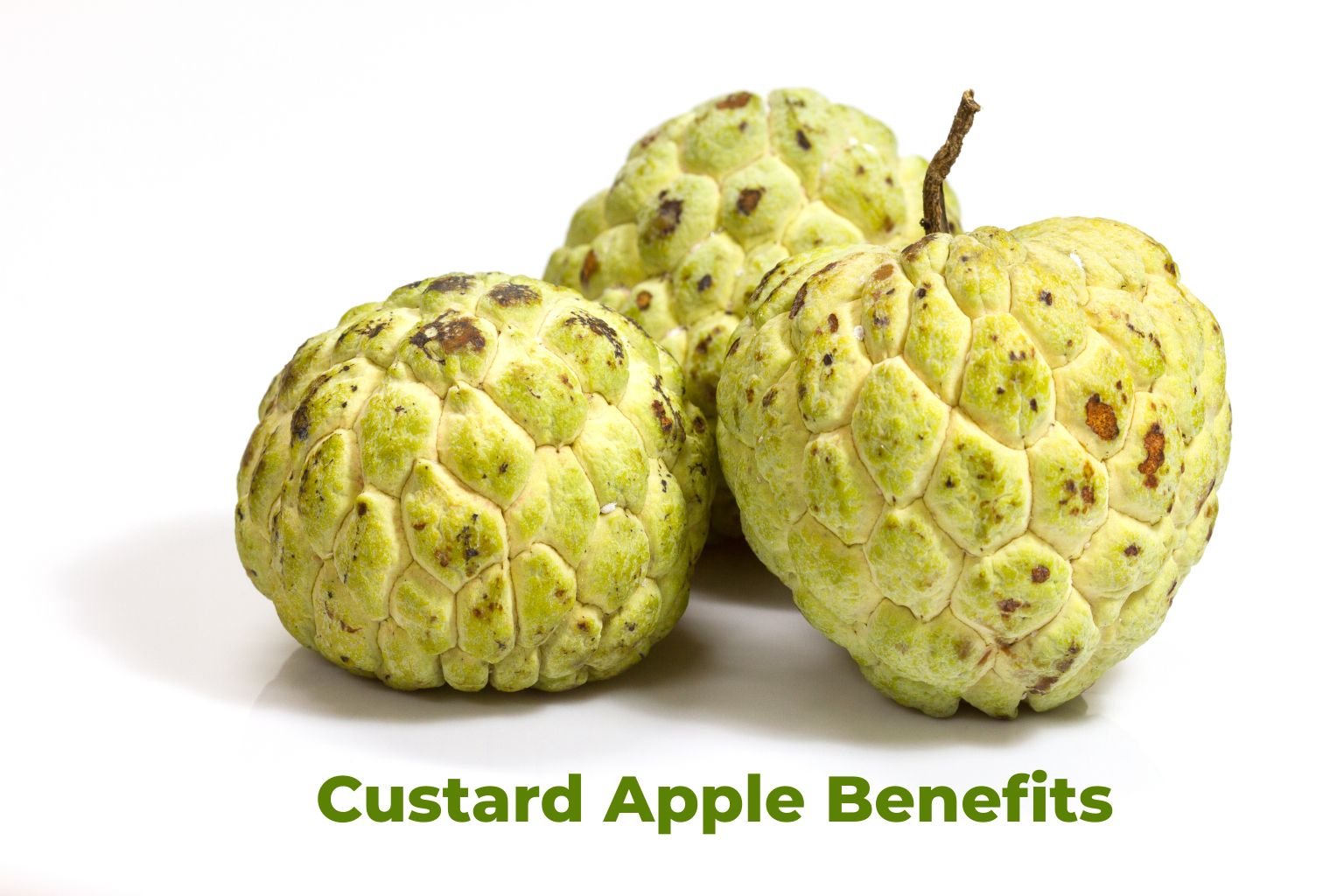
Custard apple nutrients and who should avoid this fruit is important to understand, as custard apple is rich in natural sugars and calories that may not suit everyone.
Custard apple, also known as sitaphal, is a sweet tropical fruit rich in energy, vitamins, and antioxidants. While custard apple offers several nutritional benefits, it is not suitable for everyone. Certain people should limit or avoid this fruit due to its sugar content, calorie load, and digestive impact.
This article explains custard apple nutrients, health benefits, and who should avoid custard apple for safety.
Table of Contents
Custard Apple Nutrients and Who Should Avoid It
Nutritional Value of Custard Apple
Custard apple is calorie-dense and nutrient-rich.
Key nutrients in custard apple include:
- Natural sugars – quick energy source
- Dietary fiber – supports digestion
- Vitamin C – antioxidant and immunity support
- Vitamin B6 – brain and nerve function
- Potassium – muscle and nerve balance
- Magnesium – bone and muscle health
- Antioxidants – reduce oxidative stress
Because of its high natural sugar and calorie content, custard apple should be eaten in moderation.
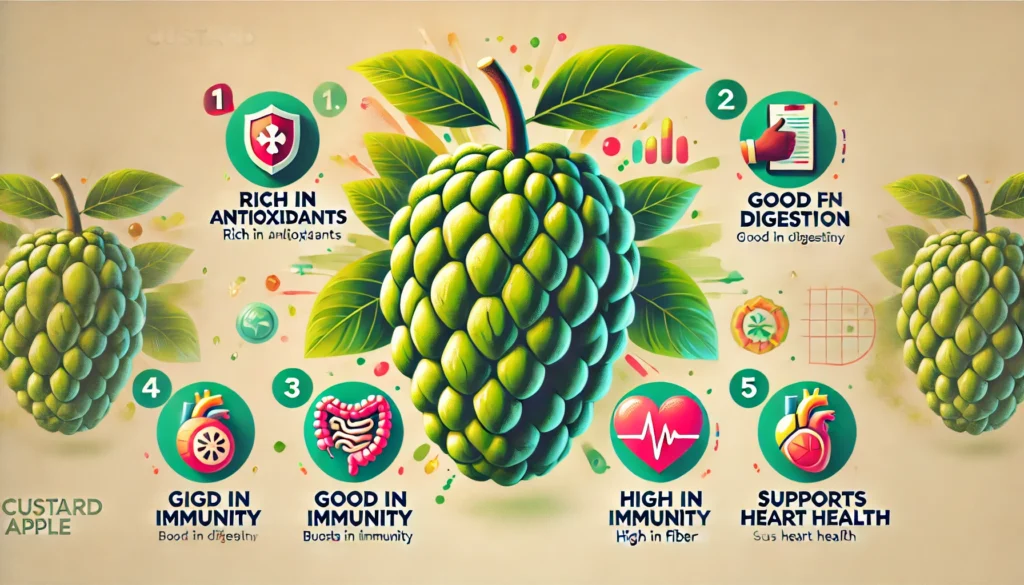
Health Benefits of Custard Apple
⚡ Provides Quick Energy
Custard apple is rich in natural sugars, making it a good energy booster for people with high physical activity or low appetite.
🧠 Supports Brain and Nerve Health
Vitamin B6 in custard apple supports neurotransmitter function and may help improve mood and mental clarity.
🛡️ Boosts Immunity
Vitamin C and antioxidants help protect the body from infections and support immune function.
🥗 Supports Digestion (In Moderation)
Dietary fiber helps improve digestion and bowel movement when consumed in small quantities.
❤️ Supports Heart Health
Potassium and magnesium help regulate blood pressure and support normal heart rhythm in healthy individuals.
Who Should Avoid Custard Apple?
Despite its benefits, custard apple is not recommended for everyone.
❌ Diabetics
- High natural sugar content
- Can cause rapid blood sugar spikes
- Not suitable for regular consumption
👉 If diabetic, avoid or consume only after medical advice.
❌ People Trying to Lose Weight
- High calorie and sugar content
- May slow weight loss progress
❌ People with Digestive Problems
- Can cause bloating and constipation if overeaten
- Heavy on digestion for sensitive stomachs
❌ Kidney Patients (Caution)
- Contains potassium
- Excess intake may increase potassium levels in kidney disease patients
❌ People with Seed Sensitivity
- Seeds are toxic if crushed or consumed
- Always remove seeds completely
To understand how nutrients affect the body, read our guide on
what are vitamins and how they work.
How Much Custard Apple Is Safe?
For healthy adults:
- ½ cup of pulp occasionally
- Not daily
Avoid custard apple juice or desserts with added sugar.
Best Way to Eat Custard Apple Safely
✔ Eat fresh pulp
✔ Remove seeds completely
✔ Eat in small portions
✔ Consume as an occasional fruit
❌ Avoid daily intake
❌ Avoid custard apple shakes
❌ Avoid combining with heavy meals
You may also read
avocado benefits and potassium risk
for comparison with other high-calorie fruits.
Side Effects of Excess Custard Apple Consumption
- Sudden blood sugar rise
- Weight gain
- Constipation
- Digestive discomfort
Moderation is key.
According to the National Institute of Nutrition (India), fruits high in natural sugars should be consumed in moderation, especially by people with diabetes.
Frequently Asked Questions (FAQs)
Is custard apple good for diabetes?
No. Due to high sugar content, it is not recommended for diabetics.
Can kidney patients eat custard apple?
Only in very small amounts and with medical advice.
Is custard apple good for digestion?
Yes, but only in moderation.
Are custard apple seeds safe?
No. Seeds are toxic and should never be consumed.
Conclusion
Custard apple is a nutrient-rich fruit that provides energy, vitamins, and antioxidants. However, due to its high sugar and calorie content, it is not suitable for everyone. Understanding custard apple nutrients and who should avoid it helps prevent health complications.
Healthy individuals can enjoy custard apple occasionally, while diabetics, kidney patients, and people with digestive issues should be cautious or avoid it.
⚠️ Medical Disclaimer
The information provided in this article is for educational and informational purposes only and should not be considered medical advice. Custard apple benefits and risks discussed here are based on general nutrition research.
This content is not intended to diagnose, treat, cure, or prevent any disease. Always consult a qualified doctor or dietitian before making dietary changes, especially if you have diabetes, kidney disease, digestive disorders, or are taking medications.