
Chronic kidney disease symptoms often develop gradually, making early diagnosis and regular health check-ups essential to prevent kidney failure.
Chronic Kidney Disease (CKD) is a long-term condition in which the kidneys gradually lose their ability to filter waste and excess fluids from the blood. CKD often develops slowly and may not show clear symptoms in the early stages, making regular health check-ups extremely important. If left untreated, CKD can progress to kidney failure and require dialysis or kidney transplantation.
This detailed guide explains chronic kidney disease symptoms, stages, causes, diagnosis, and treatment options, helping patients understand the condition and take timely action.
Table of Contents
What is chronic kidney disease (CKD)?
Chronic Kidney Disease (CKD) is a long-term condition where the kidneys gradually lose their ability to filter waste and excess fluids from the blood. Early stages may have no symptoms, making regular screening important.
Chronic kidney disease affects kidney function over time and often remains silent in early stages. Managing blood sugar, controlling blood pressure, following a kidney-friendly diet, and regular medical monitoring can slow disease progression and improve quality of life.
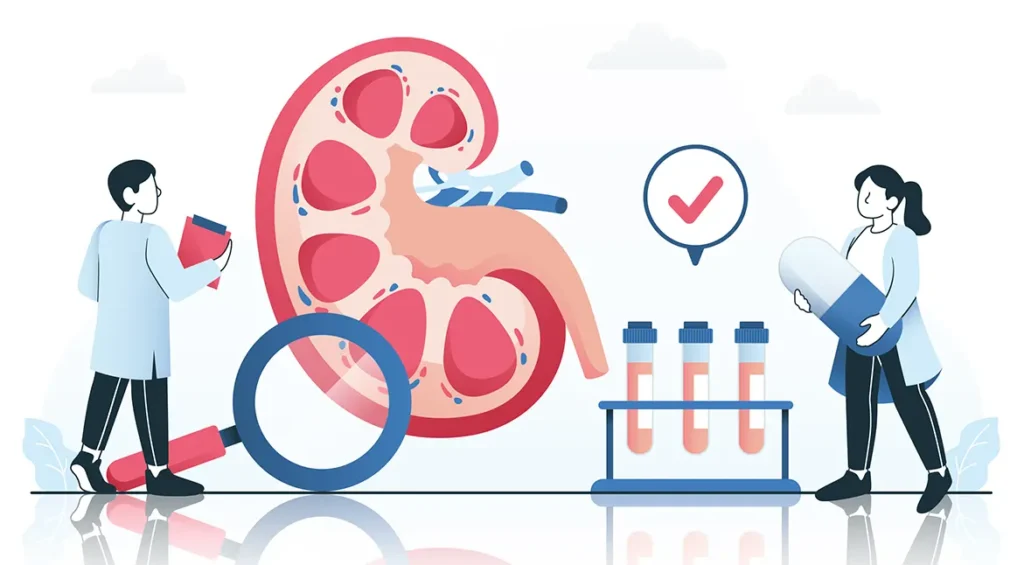
Stages of Chronic Kidney Disease
CKD is classified into five stages based on the glomerular filtration rate (GFR), which measures kidney function.
Stage 1: Mild Kidney Damage
- Normal or near-normal GFR
- Few or no symptoms
- Often detected through routine tests
Stage 2: Mild Reduction in Kidney Function
- Slight decrease in GFR
- Early signs may appear
- Lifestyle changes can slow progression
Stage 3: Moderate Kidney Damage
- Noticeable drop in kidney function
- Symptoms such as fatigue and swelling may occur
- Requires close medical monitoring
Stage 4: Severe Kidney Damage
- Significant loss of kidney function
- Preparation for dialysis or transplant may begin
Stage 5: Kidney Failure (End-Stage Renal Disease)
- Kidneys can no longer function properly
- Dialysis or kidney transplant is required
Recognizing chronic kidney disease symptoms early can help slow disease progression and reduce the risk of complications.
Chronic Kidney Disease Symptoms
Early-stage CKD may not cause noticeable symptoms. As the disease progresses, symptoms may include:
- Fatigue and weakness
- Swelling in feet, ankles, or face
- Frequent or reduced urination
- Foamy or bloody urine
- Loss of appetite
- Nausea and vomiting
- Difficulty concentrating
- Shortness of breath
- High blood pressure
Recognizing chronic kidney disease symptoms early can help prevent serious complications.
Causes & Risk Factors of CKD
Several conditions and lifestyle factors can lead to chronic kidney disease:
- Diabetes (leading cause)
- High blood pressure
- Recurrent kidney infections
- Kidney stones causing repeated obstruction
- Long-term use of painkillers
- Autoimmune diseases
- Family history of kidney disease
- Smoking and obesity
Managing these risk factors is crucial in preventing CKD progression.
How Is Chronic Kidney Disease Diagnosed?
Doctors use a combination of tests to diagnose CKD:
- Blood tests – check creatinine and GFR levels
- Urine tests – detect protein or blood in urine
- Blood pressure measurement
- Ultrasound or CT scan – evaluate kidney size and structure
- Kidney biopsy – in selected cases
Early diagnosis allows better disease control and monitoring.
Treatment Options for Chronic Kidney Disease
There is no complete cure for CKD, but treatment focuses on slowing progression and managing symptoms.
Medical Management
- Blood pressure control
- Blood sugar management in diabetic patients
- Medications to reduce protein loss in urine
- Treatment of anemia and bone disease
Lifestyle & Dietary Changes
- Reduced salt intake
- Controlled protein consumption
- Adequate hydration
- Avoidance of smoking and alcohol
Advanced Treatment (Late Stages)
- Dialysis – removes waste from blood when kidneys fail
- Kidney Transplant – replaces failed kidneys with a healthy donor kidney
Diet Tips for CKD Patients
Diet plays a major role in managing CKD:
- Limit sodium and processed foods
- Monitor potassium and phosphorus intake
- Maintain adequate but controlled protein
- Eat fresh fruits and vegetables as advised by a doctor
- Follow a diet plan recommended by a renal dietitian
Proper nutrition helps reduce kidney workload.
Can Chronic Kidney Disease Be Reversed?
In most cases, CKD cannot be reversed. However, early detection and proper management can slow or stop disease progression, allowing patients to live a healthy and active life.
CKD and Kidney Stones
Repeated kidney stones and urinary obstruction can increase the risk of CKD. Patients with recurrent stones should undergo regular kidney function tests.
👉 Related read:
You may also read about
kidney stones symptoms and treatment
to understand related kidney conditions.
When to See a Doctor
Seek medical attention if you experience:
- Persistent swelling
- Changes in urination
- Long-standing high blood pressure
- Diabetes with kidney-related symptoms
Early consultation can prevent serious complications.
Learn about infection-related kidney risks in our guide on
urinary tract infection symptoms.
Frequently Asked Questions (FAQs)
Is chronic kidney disease life-threatening?
CKD can become serious if untreated, but early management significantly improves outcomes.
Can CKD patients live a normal life?
Yes. With proper treatment and lifestyle changes, many patients lead normal lives.
Is dialysis permanent?
Not always. Some patients may receive a kidney transplant.
How often should CKD patients get tested?
As advised by a doctor, usually every 3–6 months.
What are early symptoms of CKD?
Fatigue, swelling in feet, frequent urination at night, and loss of appetite.
Can CKD be cured?
CKD cannot be cured, but early treatment can slow progression.
What diet is best for CKD patients?
Low-sodium, low-protein, and potassium-controlled diets are recommended.
When should CKD patients start dialysis?
Dialysis is required only in advanced stages based on kidney function levels.
Conclusion
Chronic Kidney Disease is a serious but manageable condition when detected early. Understanding symptoms, following medical advice, maintaining a kidney-friendly diet, and regular monitoring can greatly improve quality of life. Awareness and timely treatment are key to protecting long-term kidney health.
According to the National Kidney Foundation, early detection of chronic kidney disease helps slow progression and improve quality of life.
⚠️ Medical Disclaimer
This content is for informational purposes only and should not be considered medical advice. Always consult a qualified healthcare professional for diagnosis and treatment of chronic kidney disease.