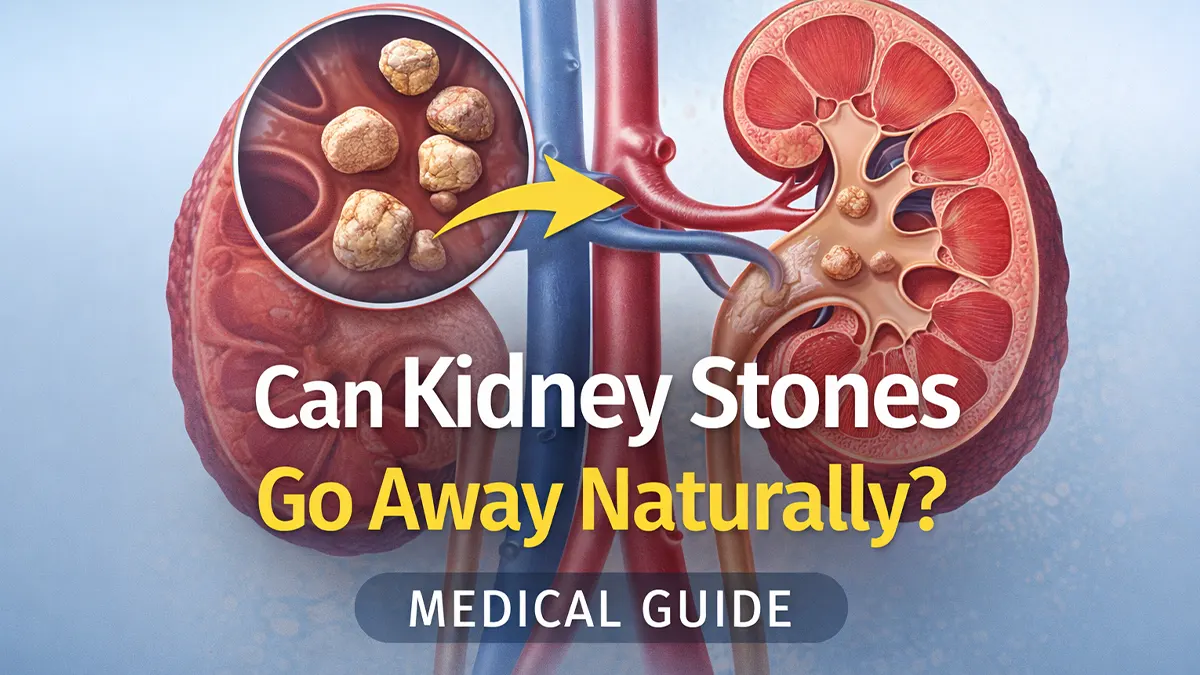
Kidney stones are one of the most painful urological conditions, affecting millions of people worldwide. Many patients wonder whether kidney stones can pass naturally without medical treatment. Understanding how kidney stones behave, their size, and the body’s natural healing mechanisms can help determine the best approach to treatment.
Doctors explain can kidney stones go away naturally based on size and symptoms.
In many cases, small kidney stones can go away naturally, especially with proper hydration and lifestyle changes. However, larger stones or complications may require medical intervention.
This guide explains when kidney stones can pass naturally, how long it takes, and when you should seek medical care.
Table of Contents
What Are Kidney Stones?
Kidney stones are hard mineral deposits formed from substances like calcium, oxalate, uric acid, or cystine. These crystals develop when urine becomes highly concentrated due to dehydration or metabolic factors.
Understanding kidney stone formation helps patients take preventive measures and recognize early warning signs.
Can Kidney Stones Go Away Naturally Without Treatment
Yes, kidney stones can pass naturally under certain conditions.
Doctors confirm that stone size and location determine whether natural passage is possible.
Stones likely to pass naturally:
✔ Stones smaller than 4–5 mm
✔ Stones located near the bladder
✔ Stones with smooth edges
✔ Patients with strong urine flow
Stones unlikely to pass naturally:
❌ Stones larger than 6 mm
❌ Stones causing infection
❌ Stones blocking urine flow
❌ Recurrent severe pain
Understanding these factors helps patients avoid complications.
Understanding kidney stone symptoms helps identify when stones may pass naturally.
How Long Does It Take for a Kidney Stone to Pass?
The time required for natural passage varies depending on size and patient health.
Typical time range:
• Small stones: 1–3 weeks
• Medium stones: 3–6 weeks
• Large stones: May not pass naturally
Hydration habits, physical activity, and medical supervision influence this process.
Knowing the kidney stone pain location helps track stone movement.
Drinking enough water increases the chances that kidney stones go away naturally, especially stones smaller than 5 mm.
Natural Ways to Help Kidney Stones Pass
Lifestyle changes play a significant role in natural kidney stone elimination.
Recommended natural methods:
✔ Drink 3–4 liters of water daily
✔ Increase citrus intake (lemon water)
✔ Stay physically active
✔ Reduce salt consumption
✔ Limit oxalate-rich foods
Doctors recommend these strategies to support kidney function and prevent recurrence.
Proper hydration with the best water for kidney stones supports natural stone passage.
Signs a Kidney Stone Is Passing Naturally
Patients may notice specific symptoms indicating stone movement.
Common signs include:
• Flank pain shifting toward the groin
• Burning sensation during urination
• Blood in urine
• Frequent urge to urinate
• Nausea or vomiting
Recognizing these signs helps patients understand the natural passage process.
Doctors often recommend kidney stone treatment without surgery for small stones.
When Kidney Stones Do NOT Go Away Naturally
Some kidney stones require medical intervention.
Warning signs include:
⚠ Severe unbearable pain
⚠ Fever with urinary symptoms
⚠ Persistent vomiting
⚠ Reduced urine output
⚠ Repeated infections
Severe kidney stone symptoms require immediate medical attention.
Medical Treatments If Natural Passage Fails
If kidney stones do not pass naturally, doctors may recommend:
• Pain management medications
• Alpha blockers to relax ureter muscles
• Shock wave lithotripsy (ESWL)
• Ureteroscopy
• PCNL surgery for large stones
Understanding treatment options helps patients make informed decisions.
Preventing Future Kidney Stones Naturally
Prevention is more effective than treatment.
Doctors emphasize:
• Consistent hydration habits
• Balanced calcium intake
• Reduced processed foods
• Healthy body weight
• Regular medical checkups
Lifestyle changes significantly reduce kidney stone recurrence risk.
Following a proper kidney stone diet reduces recurrence risk.
Emotional Impact of Kidney Stones
Kidney stone pain can cause anxiety, stress, and fear of recurrence. Patients often worry about surgical treatment or long-term kidney damage.
Understanding that many kidney stones can pass naturally provides reassurance and encourages proactive health management.
Small daily habits such as proper hydration and diet control can make a long-term difference in kidney health.
Frequently Asked Questions
Can kidney stones dissolve on their own?
Most kidney stones do not dissolve but can pass naturally if small enough.
What size kidney stone can pass naturally?
Stones smaller than 5 mm have a higher chance of passing without surgery.
Is lemon water helpful for kidney stones?
Yes, citrate in lemon water may help prevent stone formation.
Should I exercise if I have kidney stones?
Moderate physical activity may help stones move through the urinary tract.
Can dehydration worsen kidney stones?
Yes, dehydration increases urine concentration and stone formation risk.
Kidney stone pain can be frightening, but many small stones can pass naturally with proper hydration and care.
Final Medical Insight
Kidney stones can go away naturally in many cases, particularly when they are small and detected early. Understanding symptoms, maintaining hydration, and following preventive strategies significantly improve outcomes.
However, persistent symptoms or complications should never be ignored, as early medical intervention can prevent serious kidney damage.
In many cases, kidney stones can go away naturally, but early diagnosis remains essential. Understanding when kidney stones go away naturally helps prevent complications and ensures timely treatment.
According to the National Institutes of Health (NIH) and Mayo Clinic, small kidney stones may pass naturally through the urinary tract without invasive treatment. Proper hydration, pain management, and medical monitoring are essential during this process. However, larger stones or persistent symptoms may require medical intervention to prevent complications such as infection or kidney damage.
Author
Yamanandan Reddy
Health Content Writer & Frontend Developer
Yamanandan Reddy is a health content writer and frontend developer with over 4 years of experience in website design and digital content creation. He writes research-based health articles to help readers understand symptoms, causes, treatments, and prevention methods related to common health conditions.
His articles are written using information from trusted medical sources such as the World Health Organization (WHO), Mayo Clinic, and the Centers for Disease Control and Prevention (CDC).
Sources
The information in this article is researched and verified using trusted medical resources, including:
• World Health Organization (WHO)
• Mayo Clinic
• National Institutes of Health (NIH)
• Centers for Disease Control and Prevention (CDC)
Disclaimer
The information provided on HealthyWayCare.com is for educational and informational purposes only. It should not be considered medical advice, diagnosis, or treatment. Always consult a qualified healthcare professional before making any medical decisions or starting any treatment.