
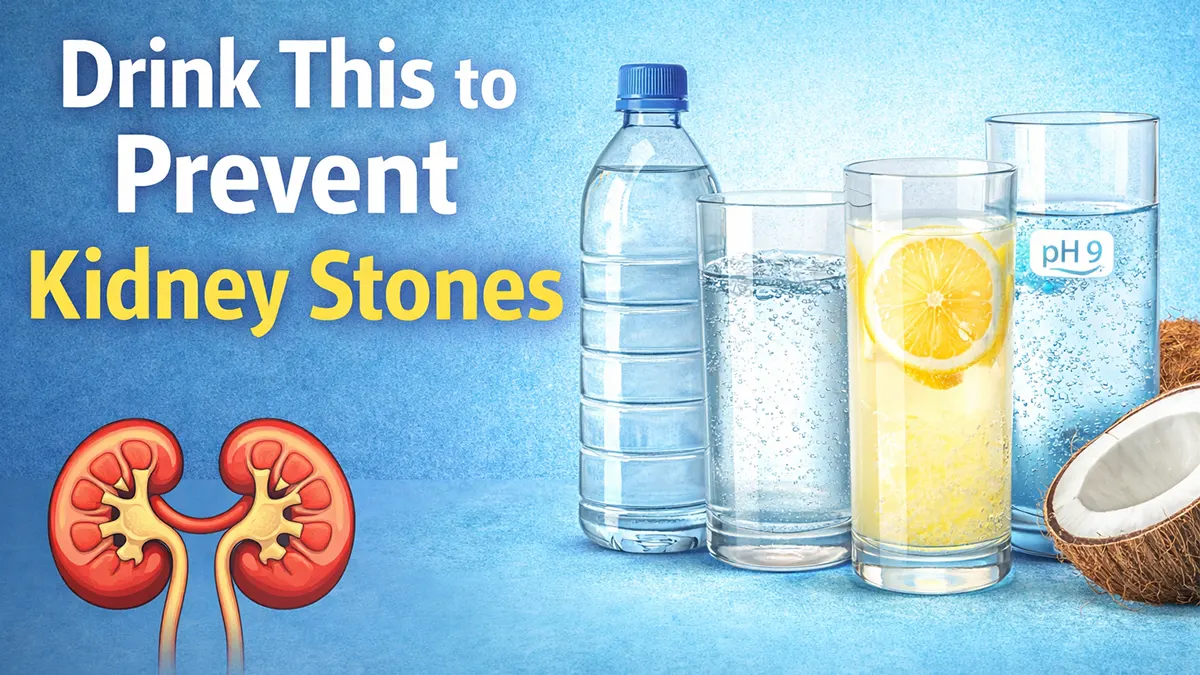
Hydration plays a crucial role in kidney stone prevention. Many specialists emphasize that doctors recommend the best water for kidney stones daily to reduce mineral concentration and support kidney filtration.
Kidney stones are a painful and common urinary condition that affects millions of people worldwide. While diet and lifestyle play a major role in kidney stone formation, one of the most important preventive factors is proper hydration. Choosing the best water for kidney stones can help reduce mineral buildup, support kidney function, and prevent recurring stones.
Doctors emphasize that drinking the right type of water daily is one of the simplest and most effective ways to prevent kidney stones naturally. Understanding how hydration affects kidney health can help individuals reduce their risk and improve overall urinary wellness.
Kidney stones are often linked to poor hydration and dietary habits. Many people underestimate the role of daily fluid intake in kidney function. Hydration habits directly influence kidney health.
Table of Contents
Why Hydration Matters in Kidney Stone Prevention
Kidney stones form when minerals such as calcium, oxalate, and uric acid become concentrated in the urine. When the body is dehydrated, urine becomes more concentrated, increasing the likelihood of crystal formation.
Proper hydration helps:
- Dilute urine minerals
- Flush out toxins
- Prevent crystal aggregation
- Improve kidney filtration
- Reduce stone recurrence risk
Doctors recommend drinking enough fluids to produce at least 2–2.5 liters of urine daily.
When urine becomes concentrated, minerals begin to crystallize and form stones. Drinking enough water helps dilute these substances. Proper fluid intake lowers urinary mineral concentration.
Best Types of Water for Kidney Stones
Choosing the best water for kidney stones is essential for proper hydration and mineral balance. Certain types of water help prevent stone formation, while others may increase the risk depending on their mineral composition.
1. Plain Filtered Water
Filtered water is considered the safest and most recommended option for kidney stone prevention. It removes impurities while maintaining essential hydration balance.
Benefits:
- Reduces toxin exposure
- Maintains electrolyte balance
- Supports kidney detoxification
- Safe for daily long-term use
This is the most widely recommended hydration option by urologists.
2. Alkaline Water
Alkaline water has a higher pH level than regular drinking water. Some studies suggest that alkaline water may help neutralize excess acid in the body, which could reduce uric acid stone risk.
Benefits:
- May reduce uric acid stone formation
- Supports metabolic balance
- Helps reduce urinary acidity
However, excessive consumption is not recommended without medical advice.
3. Mineral Water (Low Sodium)
Low-sodium mineral water can provide beneficial minerals like magnesium, which may help prevent stone formation.
Benefits:
- Magnesium may inhibit crystal growth
- Supports bone and kidney health
- Helps balance urinary mineral levels
Avoid high-sodium mineral water, as excess sodium increases calcium excretion in urine.
4. Lemon Water
Lemon water is highly recommended for kidney stone prevention due to its citrate content. Citrate helps prevent calcium stone formation by binding with calcium in urine.
Benefits:
- Natural stone inhibitor
- Improves hydration taste compliance
- Supports kidney detox
This is one of the most recommended natural remedies for kidney stones.
Citrus fruits contain citrate, which helps reduce calcium stone formation. Citrus-rich hydration improves stone prevention.
5. Coconut Water
Coconut water contains potassium and magnesium, which may help reduce stone formation risk.
Benefits:
- Natural electrolyte balance
- Supports urinary flow
- May reduce crystal aggregation
However, it should be consumed in moderation, especially for individuals with kidney disease.
Understanding hydration quality is just as important as hydration quantity. Choosing the best water for kidney stones helps prevention by reducing crystal formation and improving urinary flow.
Best Water Types for Kidney Stone Prevention (Comparison Guide)
Choosing the right type of water helps prevent kidney stones and supports long-term kidney health. Some drinks reduce mineral buildup, while others increase stone risk. Staying consistently hydrated is one of the most effective ways to lower recurrence and protect kidney function.
| Water Type | Kidney Stone Risk | Reason |
|---|---|---|
| Filtered Water | Low Risk | Helps dilute urine minerals and flush toxins |
| Lemon Water | Very Low Risk | Citrate prevents calcium stone formation |
| Alkaline Water | Moderate Benefit | May reduce uric acid stone risk |
| Low-Sodium Mineral Water | Low Risk | Magnesium may reduce crystal formation |
| High-Sodium Bottled Water | High Risk | Increases calcium excretion in urine |
| Sugary Soft Drinks | Very High Risk | Raises urinary acidity and mineral buildup |
| Energy Drinks | High Risk | Dehydration and high sugar content |
| Cola Beverages | High Risk | Phosphoric acid increases stone risk |
Water Types to Avoid in Kidney Stones
Certain beverages can increase the risk of kidney stone formation by raising mineral concentration and urinary acidity. Avoiding these drinks helps support better kidney health and reduces recurrence risk.
Drinks to limit or avoid include:
• Sugary soft drinks
• High-sodium bottled water
• Energy drinks
• Excess cola consumption
• Artificially flavored beverages
Reducing intake of these beverages can help maintain proper hydration balance and prevent kidney stone development.
How Much Water Should You Drink?
The ideal daily water intake varies based on climate, body weight, physical activity, and existing kidney conditions. Staying properly hydrated helps dilute urine minerals and supports kidney stone prevention.
General recommendation:
👉 Drink 2.5–3.5 liters of water per day
A simple way to monitor hydration is by checking urine color. Pale yellow urine usually indicates adequate fluid intake and healthy hydration levels.
Signs You Are Not Drinking Enough Water
Inadequate hydration can increase the risk of kidney stone formation and affect overall kidney function. Recognizing early signs of dehydration helps prevent complications.
Common signs include:
• Dark yellow urine
• Fatigue or low energy
• Dry mouth or excessive thirst
• Frequent urinary infections
• Increased risk of kidney pain
Doctors recognize dehydration as one of the leading causes of kidney stone formation. Maintaining proper fluid intake is essential for long-term kidney health.
Best Hydration Tips for Kidney Stone Prevention
Maintaining proper hydration is one of the most effective ways to prevent kidney stone formation and recurrence. Consistent fluid intake helps dilute urine minerals and supports overall kidney health.
Effective hydration tips include:
• Drink water consistently throughout the day
• Add citrus fruits like lemon to improve hydration compliance
• Avoid long periods without fluid intake
• Increase water consumption in hot climates or during exercise
• Monitor urine color daily to ensure proper hydration
Understanding hydration patterns can significantly reduce kidney stone risk. Consistent fluid intake remains one of the most effective long-term prevention strategies. Drinking the best water for kidney stones helps reduce recurrence, especially in individuals with a history of calcium or uric acid stones. Lifestyle habits such as diet and physical activity also play an important role in long-term kidney health.
Consistent fluid intake is one of the most effective long-term strategies. Drinking the best water for kidney stones reduces recurrence, especially in individuals with a history of calcium or uric acid stones.
Diet, physical activity, and hydration patterns all affect kidney stone recurrence. Lifestyle choices determine stone recurrence risk.
Kidney Stone Treatment Without Surgery
When to See a Doctor
Seek medical care immediately if you experience any of the following symptoms, as they may indicate severe kidney stone complications or infection.
Warning signs include:
• Severe or persistent flank pain
• Blood in urine
• Persistent nausea or vomiting
• Fever or chills with urinary symptoms
Early diagnosis helps prevent serious complications, reduces treatment costs, and improves recovery outcomes.
For medically reviewed hydration guidelines, refer to the National Kidney Foundation which provides expert advice on kidney stone prevention.
Quick Answers: Best Water for Kidney Stones
Best water for kidney stones:
Filtered water and lemon water are considered the best options as they help dilute urine minerals and reduce stone formation risk.
Best water to drink to avoid kidney stones:
Plain filtered water with adequate daily intake (2.5–3.5 liters) helps prevent crystal buildup and supports kidney health.
Best water for kidney health:
Low-sodium mineral water, filtered water, and citrus-infused water are beneficial for maintaining healthy kidney function.
Is lemon water good for kidney stone patients?
Yes, lemon water contains citrate, which helps prevent calcium stone formation and supports natural stone prevention.
Is alkaline water good for kidney stone patients?
Alkaline water may help reduce uric acid stone risk, but excessive consumption should be avoided without medical advice.
Best kind of water to drink for kidney stones:
Filtered or purified water is generally the safest and most recommended option for long-term kidney stone prevention.
Best water purifier for kidney patients:
RO or UV water purifiers that remove excess minerals and contaminants can help maintain safer drinking water quality.
Best water for people with kidney stones:
Hydration with filtered water, lemon water, or low-sodium mineral water helps reduce recurrence risk.
Best drink for kidney stones besides water:
Citrus drinks like lemon water or diluted orange juice can help prevent stones due to their citrate content.
Final Thoughts
Choosing the best water for kidney stones is a simple yet powerful step toward long-term kidney health. Proper hydration not only prevents stone formation but also supports overall metabolic balance and urinary system function.
By making smart hydration choices and maintaining a consistent fluid intake routine, individuals can significantly reduce their risk of kidney stones and improve their quality of life.
Medically Reviewed By:
Dr. Jayanth Reddy – Consultant Urologist
My Health Hospitals, Hyderabad
This content has been medically reviewed for accuracy and reliability based on current urology treatment guidelines.
Author
Yamanandan Reddy
Health Content Writer & Frontend Developer
Yamanandan Reddy is a health content writer and frontend developer with over 4 years of experience in website design and digital content creation. He writes research-based health articles to help readers understand symptoms, causes, treatments, and prevention methods related to common health conditions.
His articles are written using information from trusted medical sources such as the World Health Organization (WHO), Mayo Clinic, and the Centers for Disease Control and Prevention (CDC).
Sources
The information in this article is researched and verified using trusted medical resources, including:
• World Health Organization (WHO)
• Mayo Clinic
• National Institutes of Health (NIH)
• Centers for Disease Control and Prevention (CDC)
Disclaimer
The information provided on HealthyWayCare.com is for educational and informational purposes only. It should not be considered medical advice, diagnosis, or treatment. Always consult a qualified healthcare professional before making any medical decisions or starting any treatment.
4 thoughts on “Best Water for Kidney Stones: What to Drink for Prevention & Relief”