
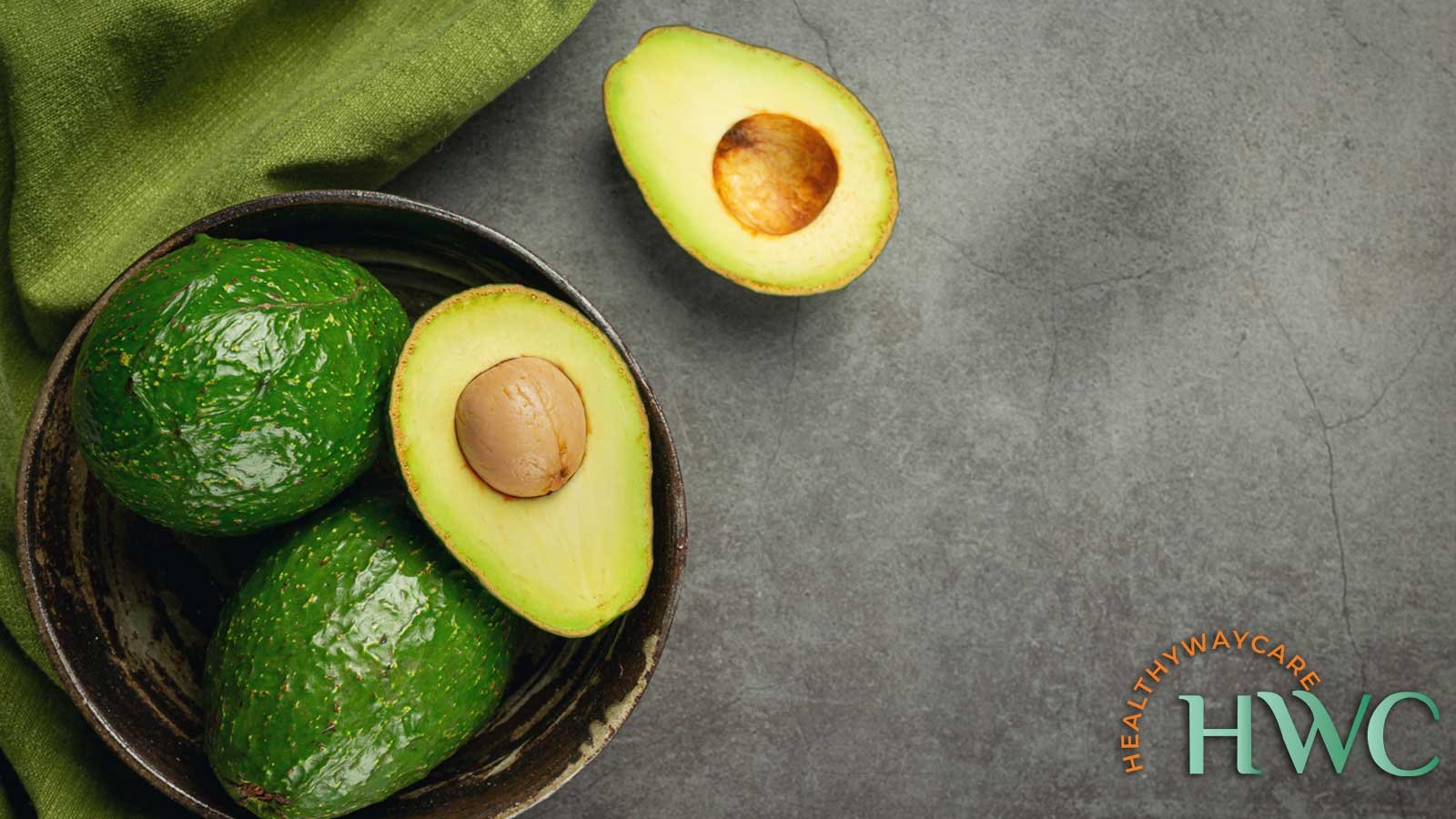
Avocado benefits and potassium risk are important to understand, as this nutrient-rich fruit supports heart health but may be unsafe for people with kidney disease due to its high potassium content.
Avocado is a nutrient-dense fruit known for its healthy fats, heart benefits, and anti-inflammatory properties. While avocado offers several health advantages, it is also high in potassium, which may pose risks for certain individuals, especially those with kidney disease.
This article explains avocado benefits, potassium risk, who should limit intake, and how to eat avocado safely.
Table of Contents
Nutritional Value of Avocado
Avocado is rich in essential nutrients that support overall health.
Key nutrients in avocado include:
- Healthy monounsaturated fats – heart health
- Potassium – fluid and nerve balance
- Fiber – digestion and cholesterol control
- Vitamin E – antioxidant protection
- Vitamin K – blood and bone health
- Folate – cell growth and repair
Because of this profile, avocado is considered a heart-healthy but potassium-rich fruit.
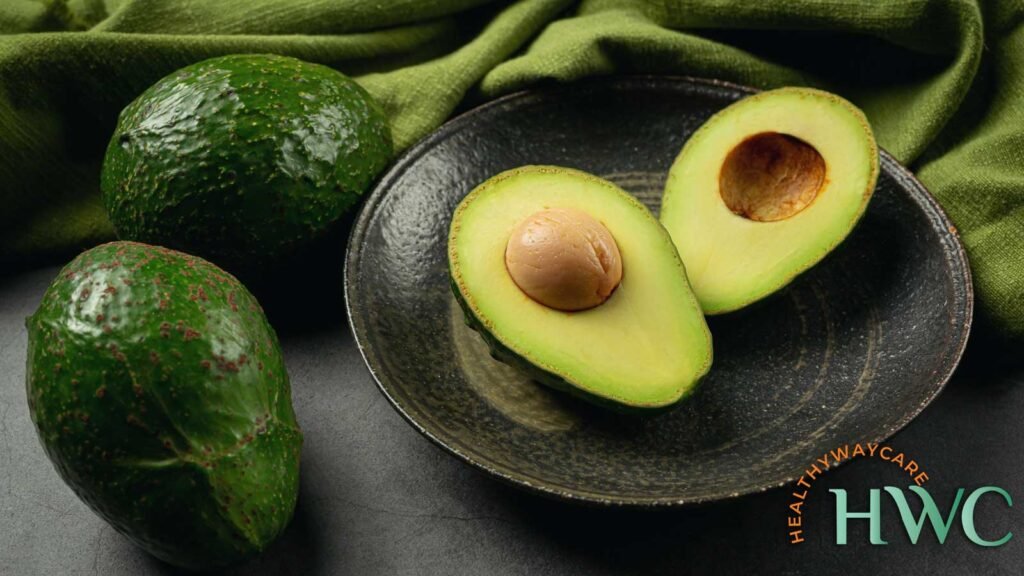
Avocado Benefits and Potassium Risk Explained
❤️ Avocado Benefits for Heart Health
Avocados are rich in monounsaturated fats that help:
- Lower bad cholesterol (LDL)
- Increase good cholesterol (HDL)
- Reduce inflammation
- Support healthy blood vessels
Regular avocado intake may reduce the risk of heart disease when eaten in moderation.
🥗 Avocado Benefits for Digestion
- High fiber improves bowel movements
- Supports healthy gut bacteria
- Helps prevent constipation
- Promotes satiety and weight control
To understand how nutrients affect the body, read our guide on
what are vitamins and how they work.
🧠 Avocado Benefits for Overall Wellness
- Supports brain health
- Helps absorb fat-soluble vitamins (A, D, E, K)
- Supports skin health
- Provides long-lasting energy
Potassium Content in Avocado (Important)
Avocado is very high in potassium.
- 1 medium avocado ≈ 700–900 mg potassium
- This is higher than bananas
Potassium is essential for muscle and nerve function, but excess potassium can be dangerous for people with kidney problems.
Avocado Potassium Risk for Kidney Patients
⚠️ Who Should Be Careful?
- Chronic kidney disease (CKD) patients
- Dialysis patients
- People with high potassium levels (hyperkalemia)
- People on potassium-restricted diets
Possible risks:
- Irregular heartbeat
- Muscle weakness
- Nausea
- Serious heart complications in severe cases
👉 Kidney patients should avoid or strictly limit avocado intake unless advised by a doctor or dietitian.
You may also read
apples benefits for cholesterol and kidneys
for kidney-friendly fruit options.
Is Avocado Safe for Everyone?
✔ Safe for:
- Healthy adults
- People with normal kidney function
- Individuals managing cholesterol (in moderation)
❌ Limit or avoid if:
- You have kidney disease
- You have high potassium levels
- You are on a potassium-restricted diet
How Much Avocado Is Safe Per Day?
For healthy individuals:
- ¼ to ½ avocado per day is sufficient
For kidney patients:
- Avoid or consume only under medical supervision
Avoid avocado juice or avocado-based smoothies if potassium intake must be controlled.
According to the National Kidney Foundation, high-potassium foods like avocado should be limited by people with kidney disease.
Best Ways to Eat Avocado Safely
To get benefits without excess potassium:
✔ Eat small portions
✔ Pair with low-potassium foods
✔ Avoid adding salt
✔ Do not consume daily if potassium sensitive
❌ Avoid large servings
❌ Avoid avocado shakes for kidney patients
Side Effects & Precautions
Excess avocado intake may cause:
- High potassium levels
- Weight gain (calorie-dense)
- Digestive discomfort
⚠️ Always consult a healthcare professional if you have kidney, heart, or electrolyte disorders.
Frequently Asked Questions (FAQs)
Is avocado good for cholesterol?
Yes, avocado helps reduce bad cholesterol due to healthy fats.
Is avocado safe for kidney disease?
Generally no. Due to high potassium, kidney patients should avoid or strictly limit avocado.
Is avocado better than banana for potassium?
Avocado contains more potassium than bananas.
Can diabetics eat avocado?
Yes, avocado is low in carbs and safe for diabetics in moderation.
Conclusion
Avocado is a nutritious fruit with powerful heart and digestive benefits. However, the potassium risk of avocado makes it unsuitable for people with kidney disease or high potassium levels.
For healthy individuals, small portions of avocado can be part of a balanced diet. For others, especially kidney patients, medical guidance is essential before consumption.
⚠️ Medical Disclaimer
The information provided in this article is for educational and informational purposes only and should not be considered medical advice. Avocado benefits and potassium risk discussed here are based on general nutrition research.
This content is not intended to diagnose, treat, cure, or prevent any disease. Always consult a qualified doctor or dietitian before making dietary changes, especially if you have kidney disease, heart conditions, or electrolyte imbalance.