
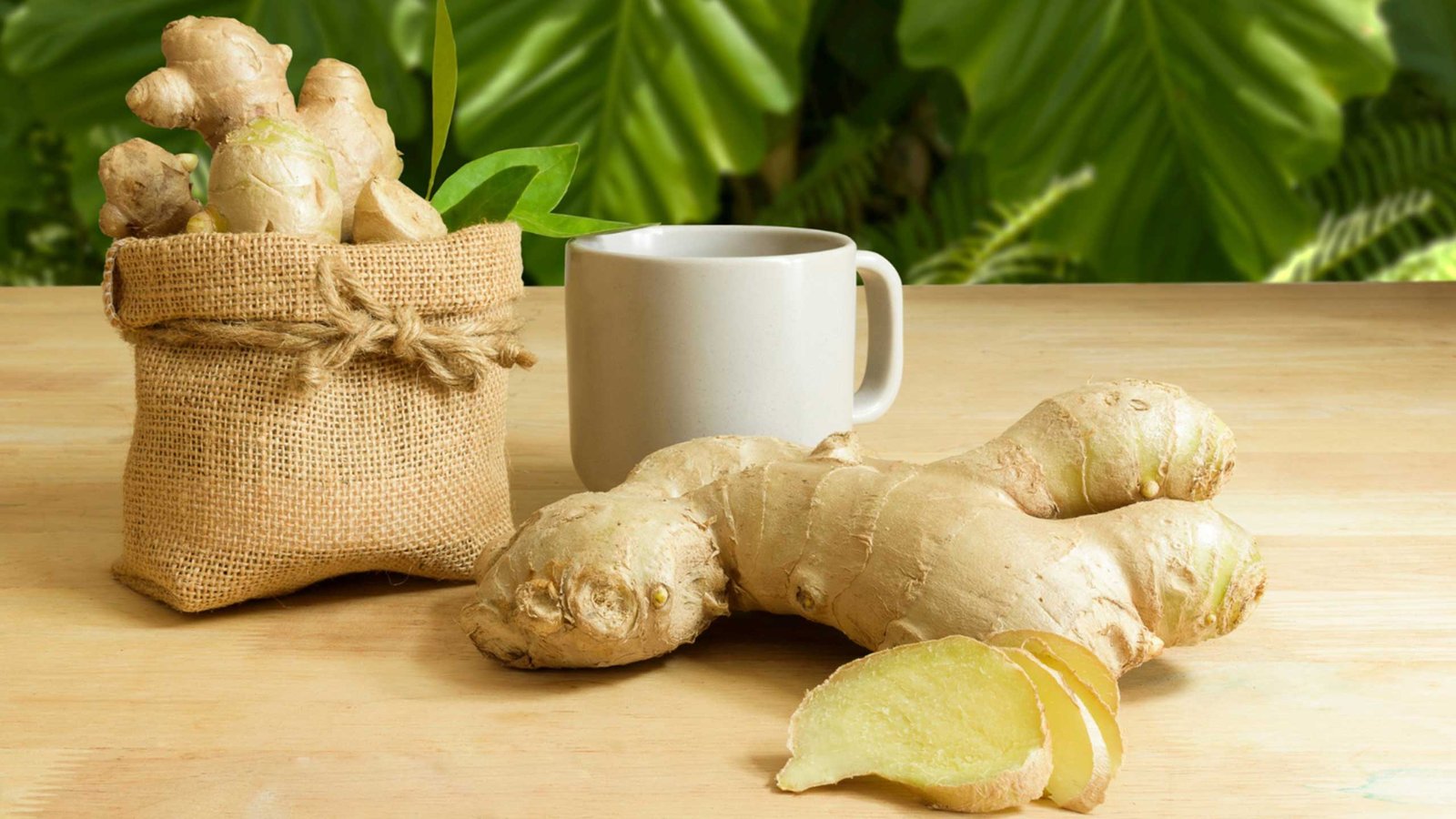
Ginger is more than just a kitchen spice—it is one of the most widely used natural ingredients in traditional diets across the world. Known for its warm, slightly spicy flavor and strong aroma, ginger has been used for centuries in food, beverages, and home remedies. From digestive comfort to immune support, the health benefits of ginger make it a valuable addition to a balanced lifestyle.
This comprehensive guide explains what ginger is, its nutritional value, benefits for men and women, ginger tea and juice benefits, safe usage, and possible side effects.
Table of Contents
What Is Ginger?
Ginger (Zingiber officinale) is a flowering plant whose underground stem (rhizome) is commonly used as a spice and natural ingredient. It belongs to the same family as turmeric and cardamom. Fresh ginger, dried ginger, ginger powder, ginger oil, and ginger juice are all widely used in cooking and wellness practices.

Nutritional Content of Ginger
Ginger is low in calories but rich in bioactive compounds and essential nutrients.
Nutrients Found in Ginger:
- Vitamin C
- Vitamin B6
- Potassium
- Magnesium
- Iron
- Antioxidant compounds (gingerol)
These nutrients contribute to the many health benefits of ginger when consumed regularly in small amounts.
Health Benefits of Ginger
Supports Digestive Health
One of the most well-known ginger benefits is digestive support. Ginger helps:
- Reduce bloating and gas
- Support stomach emptying
- Relieve nausea and motion sickness
Ginger is commonly used for morning sickness and mild stomach discomfort.
You can also explore another powerful spice in our detailed guide on
health benefits of cardamom.
Anti-Inflammatory Properties
Ginger contains gingerol, a natural compound with anti-inflammatory properties. Including ginger in the diet may help the body manage mild inflammation and support joint and muscle comfort.
Natural Pain Relief
Ginger has been traditionally used to support relief from:
- Muscle soreness
- Menstrual discomfort
- Joint stiffness
While not a replacement for medical treatment, ginger may support comfort as part of a healthy routine.
Immune System Support
The antioxidants in ginger help protect the body from oxidative stress. Regular consumption may support immune function, especially during seasonal changes.
Weight Management Support
Ginger may help:
- Support metabolism
- Reduce appetite
- Improve digestion
While ginger alone does not cause weight loss, it can support a healthy lifestyle.
For more nutrition-rich foods, read our article on
bell pepper health benefits.
Uses of Ginger in Daily Life
Ginger is extremely versatile and can be used in many forms:
- Fresh ginger root
- Dried or powdered ginger
- Ginger tea
- Ginger juice
- Ginger oil (external use only)
How to Incorporate Ginger into Your Diet
Easy ways to include ginger:
- Add grated ginger to curries and stir-fries
- Brew ginger tea with warm water
- Mix ginger into smoothies
- Use ginger powder in baking
Small daily amounts are sufficient.
Ginger Recipes
Ginger Tea (Simple Recipe)
Ingredients:
- 1 inch fresh ginger
- 1 cup water
- Honey (optional)
Method:
- Boil water
- Add sliced ginger
- Simmer for 5–10 minutes
- Strain and drink warm
Ginger Stir-Fry
Add grated ginger to vegetables, garlic, and oil for a flavorful, healthy meal.
According to the National Library of Medicine, ginger contains bioactive compounds such as gingerol that support anti-inflammatory activity.
Health Benefits of Ginger Tea
Ginger tea benefits include:
- Improved digestion
- Relief from nausea
- Immune support
- Throat comfort
It is one of the safest and most popular ways to consume ginger.
Health Benefits of Ginger Oil
Ginger oil is commonly used externally.
Benefits include:
- Muscle relaxation
- Joint comfort
- Improved circulation
- Stress relief (aromatherapy)
⚠️ Always dilute ginger oil before applying to skin.
Health Benefits of Ginger Juice
Ginger juice is concentrated and should be used carefully.
Benefits of ginger juice:
- Digestive support
- Antioxidant intake
- Immune support
Limit intake to small quantities.
Health Benefits of Ginger for Men
For men, ginger may support:
- Overall vitality
- Circulation
- Digestive health
Some studies suggest ginger supports reproductive wellness, but it should not be considered a treatment.
Health Benefits of Ginger for Women
Ginger is commonly used to help:
- Relieve menstrual discomfort
- Reduce nausea during pregnancy (with medical advice)
- Support digestion
Moderation is especially important during pregnancy.
Ginger Benefits for Sexual Health
Ginger may support blood circulation and overall energy levels, which can indirectly support sexual wellness. Scientific research is still ongoing in this area.
Benefits of Eating Ginger Daily
When consumed in small amounts:
- Supports digestion
- Improves immunity
- Adds antioxidants
- Enhances flavor naturally
Fresh ginger is generally the best option.
Precautions and Side Effects of Ginger
Ginger is safe for most people, but excess intake may cause issues.
Possible Side Effects:
- Heartburn
- Stomach irritation
- Mouth irritation
Precautions:
- Avoid excessive consumption
- Consult a doctor if pregnant
- Be cautious if on blood-thinning medication
Frequently Asked Questions (FAQs)
Is ginger safe during pregnancy?
Small amounts may help nausea, but always consult a doctor.
How much ginger can I consume daily?
About 1–2 grams per day is generally considered safe.
Can ginger interact with medicines?
Yes, especially blood thinners—medical advice is recommended.
Can ginger help with migraines?
Some people find relief, but evidence is limited.
Conclusion
Ginger is a time-tested natural ingredient with a wide range of wellness benefits. From digestion and immunity to comfort and flavor, the health benefits of ginger make it a valuable part of a balanced diet. When used responsibly and in moderation, ginger can support overall health naturally.
⚠️ Disclaimer
This article is for informational purposes only and does not replace professional medical advice. Consult a qualified healthcare provider before making dietary or health changes.
1 thought on “Health Benefits of Ginger: Uses, Nutrition, and Side Effects (Complete Guide)”