Silent symptoms of fatty liver disease can damage your liver without causing pain or obvious warning signs. Many people live for years without realizing their liver is under stress. Identifying early symptoms can help prevent serious complications like liver inflammation, fibrosis, and cirrhosis. This guide explains the subtle signs you should never ignore and how to protect your liver naturally.
Table of Contents
What Is Fatty Liver Disease?
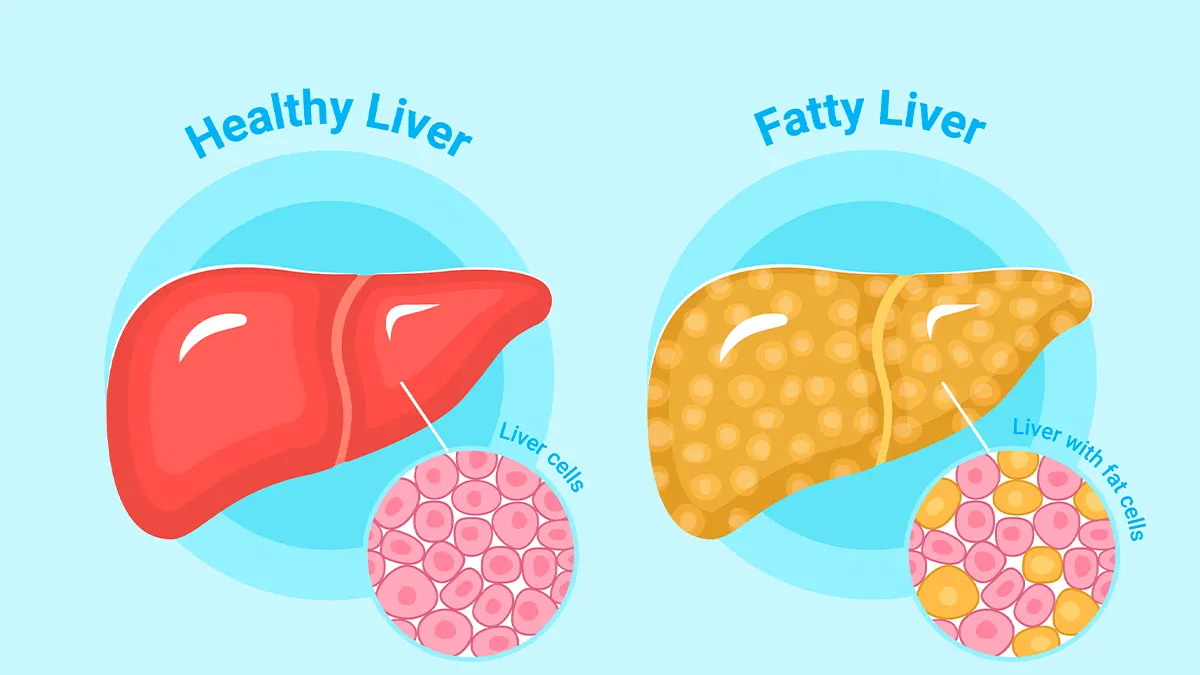
Fatty liver disease occurs when excess fat builds up in liver cells. The most common type is Non-Alcoholic Fatty Liver Disease (NAFLD), which is often linked to obesity, diabetes, and sedentary lifestyles. In early stages, fatty liver disease may not cause noticeable symptoms.
Silent Symptoms of Fatty Liver Disease
1️⃣ Constant Fatigue and Low Energy
One of the earliest silent symptoms of fatty liver disease is persistent tiredness. When the liver struggles to process toxins, the body feels exhausted even after adequate rest.
foods that support liver health
2️⃣ Mild Discomfort in the Upper Right Abdomen
Some people experience a dull ache or heaviness on the upper right side of the abdomen. This discomfort is often ignored or mistaken for digestion issues.
3️⃣ Unexplained Weight Gain
Fatty liver disease is closely linked to metabolic imbalance. Sudden or gradual weight gain—especially around the abdomen—can be an early warning sign.
4️⃣ Loss of Appetite and Nausea
A damaged liver affects digestion. Reduced appetite, mild nausea, or feeling full quickly may indicate liver stress.
5️⃣ Brain Fog and Poor Concentration
When toxins accumulate in the bloodstream, they can affect brain function. Difficulty concentrating, forgetfulness, and mental fatigue are often overlooked symptoms.
6️⃣ Darkened Skin Patches
Dark patches around the neck, underarms, or elbows may indicate insulin resistance, which is commonly associated with fatty liver disease.
7️⃣ Elevated Liver Enzymes (Detected in Blood Tests)
Many people discover fatty liver disease accidentally during routine blood tests. Elevated ALT and AST levels are key indicators of liver inflammation.
Who Is at Higher Risk?
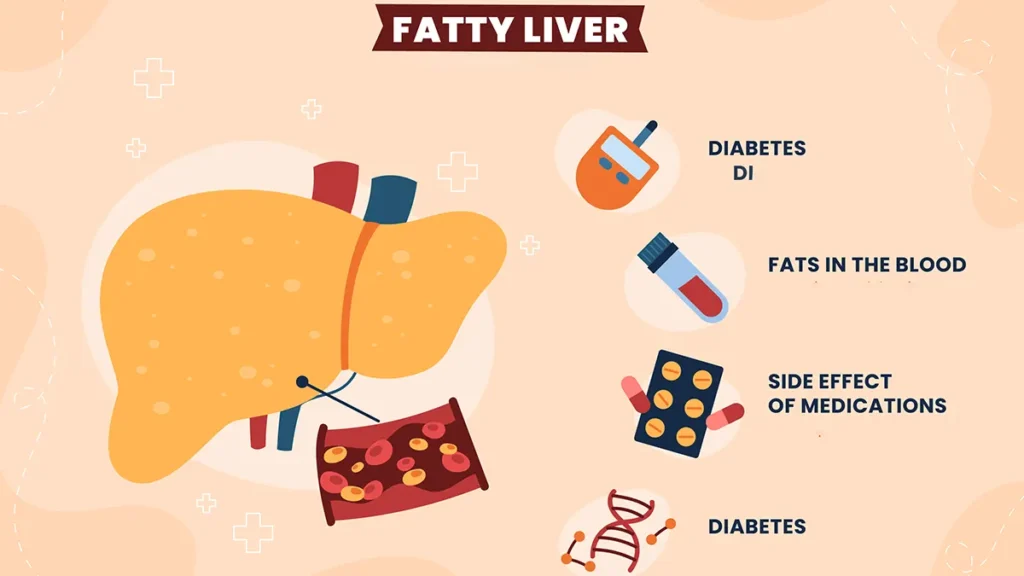
You may be at higher risk if you:
- Have obesity or belly fat
- Have type 2 diabetes or prediabetes
- Eat a high-sugar or processed diet
- Have high cholesterol or triglycerides
- Live a sedentary lifestyle
according to global health experts
How to Protect Your Liver Naturally
Protecting liver health starts with simple lifestyle changes:
- Maintain a healthy weight
- Reduce sugar and refined carbohydrates
- Eat fiber-rich foods and leafy vegetables
- Exercise at least 30 minutes daily
- Avoid unnecessary medications and alcohol
When Should You See a Doctor?
Consult a healthcare professional if you experience persistent fatigue, abdominal discomfort, or abnormal blood test results. Early diagnosis can reverse fatty liver disease in many cases.
❓ Frequently Asked Questions: Fatty Liver Disease (Silent Symptoms)
1️⃣ What are the early silent symptoms of fatty liver disease?
Early fatty liver disease often has no obvious symptoms. Some people may experience mild fatigue, weakness, or discomfort in the upper right abdomen without realizing the liver is affected.
2️⃣ Can fatty liver disease exist without pain?
Yes. Fatty liver disease is commonly painless, especially in its early stages, which is why many people remain undiagnosed for years.
3️⃣ Why is fatty liver disease called a “silent disease”?
It is called silent because symptoms appear only when liver damage progresses, often after significant fat accumulation or inflammation.
4️⃣ How does fatigue relate to fatty liver disease?
Unexplained chronic tiredness can be an early warning sign because the liver plays a key role in energy metabolism and toxin removal.
5️⃣ Can fatty liver cause digestive problems?
Yes. Fatty liver disease may lead to bloating, indigestion, nausea, or loss of appetite, especially after fatty meals.
6️⃣ Does fatty liver disease cause weight gain or belly fat?
Fatty liver is commonly linked with central obesity (belly fat) and metabolic imbalance, even in people who are not visibly overweight.
7️⃣ Can skin changes indicate fatty liver disease?
In some cases, darkening of skin (acanthosis nigricans), itching, or dull skin may appear due to metabolic and liver function changes.
8️⃣ Is fatty liver disease dangerous if untreated?
Yes. If ignored, fatty liver disease can progress to NASH, liver fibrosis, cirrhosis, or liver failure, increasing long-term health risks.
9️⃣ Can fatty liver disease affect blood sugar and cholesterol?
Yes. Fatty liver is strongly associated with insulin resistance, high blood sugar, and abnormal cholesterol levels, increasing the risk of diabetes and heart disease.
🔟 How is fatty liver disease detected if symptoms are silent?
Fatty liver is usually detected through:
- Blood tests (liver enzymes)
- Ultrasound or imaging
- Routine health checkups
Regular screening is crucial for early diagnosis.
1️⃣1️⃣ Can non-alcoholic fatty liver disease occur in non-drinkers?
Yes. NAFLD affects many non-drinkers, mainly due to obesity, poor diet, diabetes, and sedentary lifestyle.
1️⃣2️⃣ Can fatty liver disease be reversed naturally?
In early stages, fatty liver disease can often be reversed with lifestyle changes, including healthy diet, weight loss, physical activity, and reduced sugar intake.
🏁 Conclusion
The silent symptoms of fatty liver disease should never be ignored. Although early stages may not cause pain, timely lifestyle changes and medical guidance can prevent long-term liver damage. Listening to your body today can protect your liver for years to come.
Medical Disclaimer
Content on HealthyWayCare is for informational purposes only and is not a substitute for professional medical advice. Always consult a qualified healthcare provider before making health-related decisions.