

Vitamin E is a powerful fat-soluble antioxidant that plays a key role in maintaining healthy skin, supporting the immune system, and protecting cells from damage. Vitamin E deficiency is less common but can occur in people with poor absorption or certain medical conditions. This article explains vitamin E benefits for skin and health, deficiency symptoms, food sources, and safe usage in a clear, medical-based manner.
Table of Contents
What Is Vitamin E?
Vitamin E refers to a group of compounds called tocopherols and tocotrienols, with alpha-tocopherol being the most active form in the human body. It helps protect cell membranes from oxidative stress and supports normal immune and skin function.
Because vitamin E is fat-soluble, it is absorbed along with dietary fats and stored in body tissues.
Vitamin E Benefits for Skin and Health Explained
To understand how vitamins support skin and overall health, read
what are vitamins and how they work.
1. Protects Skin from Damage
Vitamin E acts as a strong antioxidant, helping protect skin cells from damage caused by free radicals, pollution, and UV exposure.
2. Supports Skin Moisture and Repair
Vitamin E helps strengthen the skin barrier, reducing moisture loss and supporting skin repair, making it beneficial for dry and sensitive skin.
3. Helps Reduce Signs of Aging
By reducing oxidative stress, vitamin E may help minimize the appearance of fine lines and premature skin aging.
4. Supports Wound Healing
Vitamin E plays a role in tissue repair and healing, supporting recovery from minor skin injuries.
Vitamin E Benefits for Overall Health
1. Supports Immune Function
Vitamin E helps maintain proper immune response by supporting immune cell activity, especially in older adults.
2. Acts as a Powerful Antioxidant
It protects cells from oxidative damage, which is linked to chronic diseases and inflammation.
3. Supports Heart Health
Vitamin E may help protect LDL cholesterol from oxidation, an important factor in maintaining cardiovascular health.
4. Supports Eye Health
Vitamin E works along with other antioxidants to support eye health and protect against age-related changes.
These vitamin e benefits for skin and health make it an important nutrient for overall wellness and cellular protection.
You may also find helpful our guide on
vitamin A deficiency symptoms and benefits,
which explains how fat-soluble vitamins support skin and immunity.
Vitamin E Deficiency Symptoms
Vitamin E deficiency is rare but may occur in people with fat-absorption disorders.
Common Symptoms
- Muscle weakness
- Poor coordination
- Vision problems
- Numbness or tingling
Severe Deficiency
- Nerve damage
- Immune system weakness
Causes of Vitamin E Deficiency
Vitamin E deficiency may result from:
- Fat malabsorption disorders
- Liver disease
- Genetic conditions
- Very low-fat diets
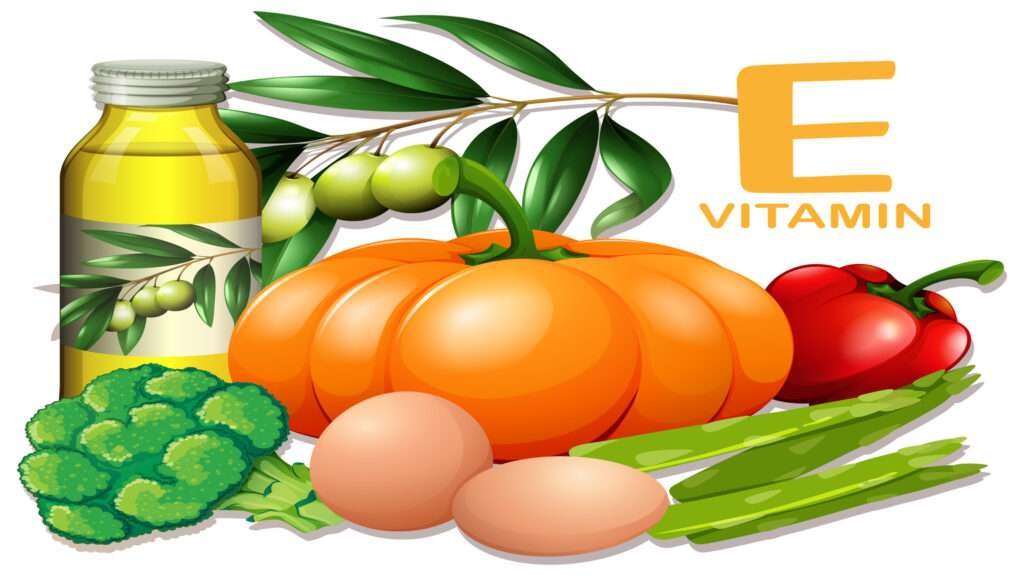
Vitamin E Rich Food Sources
Natural Food Sources
- Almonds
- Sunflower seeds
- Peanuts
- Spinach
- Avocado
- Vegetable oils (sunflower, wheat germ, olive oil)
👉 Including healthy fats improves absorption.
Vitamin E for Hair Health
Vitamin E supports scalp health by improving circulation and reducing oxidative stress. Adequate intake may help maintain healthy hair and scalp, though it does not directly prevent hair loss.
Vitamin E Supplements: Are They Necessary?
Supplements may be considered when:
- Dietary intake is insufficient
- Absorption is impaired
- Deficiency is diagnosed
⚠️ Supplements should be taken only under medical guidance.
According to the National Institutes of Health (NIH), vitamin E acts as a powerful antioxidant that protects cells from oxidative damage.
Recommended Vitamin E Intake
| Group | Daily Requirement |
|---|---|
| Adults | 15 mg |
| Pregnant women | As advised by doctor |
Can Too Much Vitamin E Be Harmful?
Yes. Excessive supplementation may cause:
- Increased bleeding risk
- Nausea
- Headache
High doses should be avoided unless prescribed.
Frequently Asked Questions (FAQs)
Is vitamin E good for skin?
Yes, vitamin E supports skin hydration, repair, and antioxidant protection.
Can vitamin E be applied directly to skin?
Topical use is common, but sensitive skin may react. Patch testing is recommended.
Is vitamin E safe for daily use?
Yes, within recommended dietary limits.
Does vitamin E improve immunity?
Vitamin E supports immune function, especially in older adults.
Conclusion
Vitamin E is essential for healthy skin, immune support, and antioxidant protection. Adequate intake through a balanced diet helps maintain skin health and overall well-being. Supplements should only be used when necessary and under medical supervision.
🔒 Medical Disclaimer
This article is for educational purposes only and does not replace professional medical advice. Always consult a healthcare provider before taking supplements.