
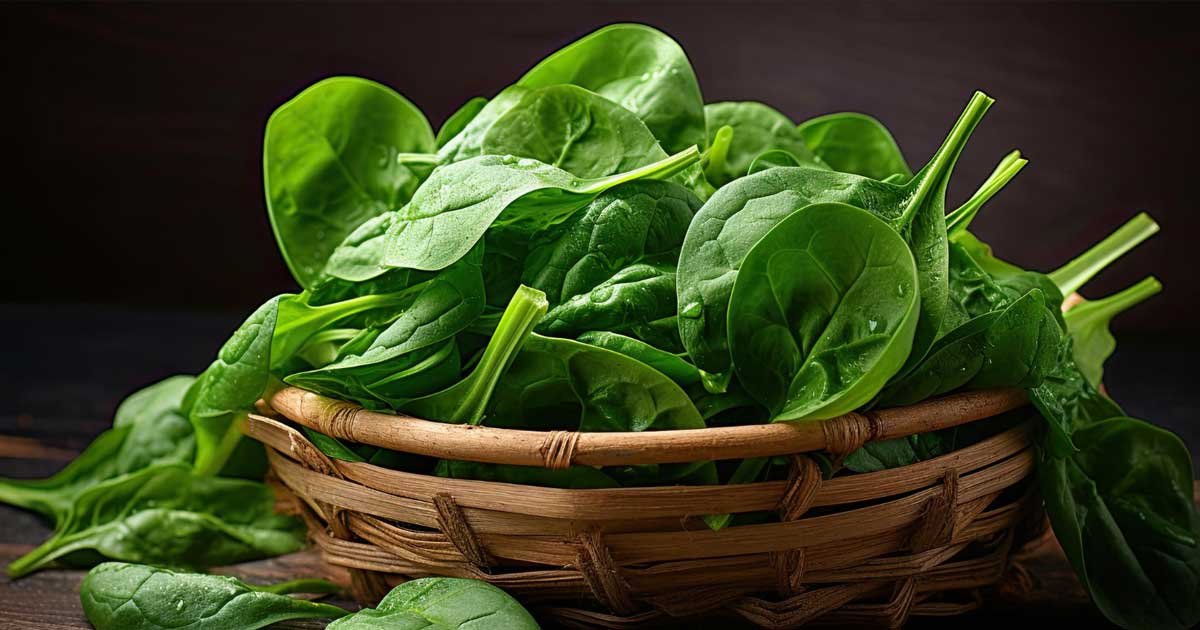
Spinach benefits for iron, immunity, and heart health come from its rich iron content, immune-boosting vitamins, and antioxidants that support cardiovascular function.
Spinach is a nutrient-dense leafy vegetable widely known for its high iron content and protective antioxidants. Rich in vitamins, minerals, and plant compounds, spinach plays an important role in improving iron levels, strengthening immunity, and supporting heart health.
This article explains spinach benefits, nutritional value, safe intake, and who should be cautious.
Table of Contents
Spinach Benefits for Iron, Immunity, and Heart Health
Nutritional Value of Spinach
Spinach is low in calories but extremely rich in essential nutrients.
Key nutrients in spinach include:
- Iron – supports red blood cell production
- Vitamin C – improves iron absorption and immunity
- Vitamin A – supports eye and immune health
- Vitamin K – supports blood clotting and bone health
- Folate – important for cell growth
- Magnesium & potassium – support heart function
- Antioxidants (lutein, zeaxanthin) – protect cells
Because of this profile, spinach is considered a superfood for overall health.
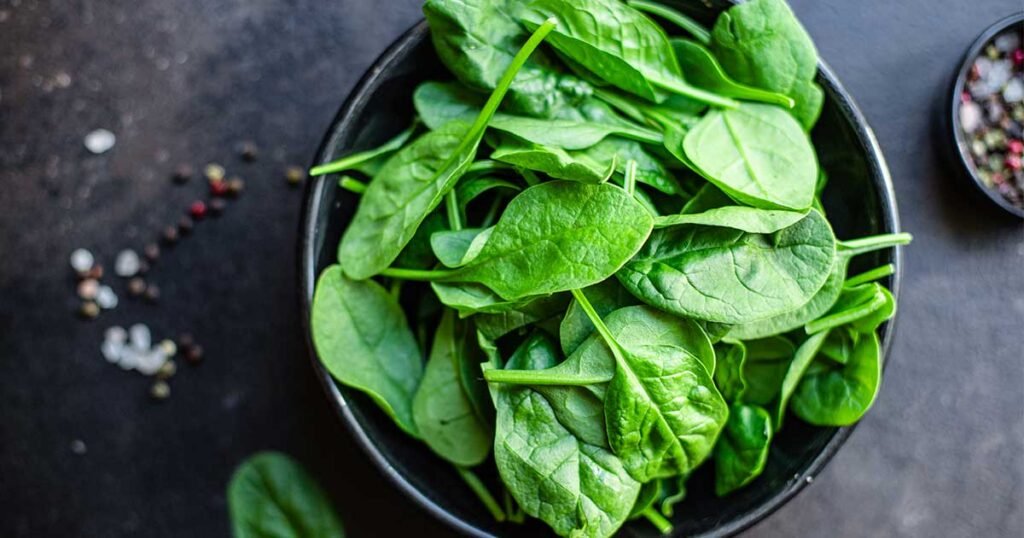
Spinach Benefits for Iron Levels
One of the most well-known spinach benefits is its iron content.
🩸 How spinach supports iron:
- Helps prevent iron deficiency anemia
- Supports oxygen transport in blood
- Improves energy levels
- Supports muscle function
👉 Tip: Eating spinach with vitamin C–rich foods improves iron absorption.
Spinach Benefits for Immunity
Spinach contains multiple immune-supporting nutrients.
🛡️ Immune health benefits:
- Vitamin C strengthens immune defense
- Antioxidants reduce inflammation
- Vitamin A supports immune cell function
- Helps fight infections
Regular spinach consumption supports a strong immune system.
To understand how nutrients support overall health, read our guide on
what are vitamins and how they work.
Spinach Benefits for Heart Health
Spinach supports cardiovascular health in several ways.
❤️ Heart health benefits:
- Helps regulate blood pressure
- Reduces oxidative stress
- Supports healthy blood vessels
- Helps lower cholesterol levels
Nitrates in spinach improve blood flow and support heart function.
Is Spinach Good for Weight Management?
Yes. Spinach is:
- Low in calories
- High in fiber
- Very filling
This makes spinach ideal for weight loss and metabolic health.
You may also explore
apples benefits for cholesterol and kidneys
for heart-friendly food options.
Who Should Be Careful with Spinach?
Despite its benefits, spinach is not suitable for everyone.
⚠️ Kidney Stone Patients
- Spinach is high in oxalates
- May increase kidney stone risk if eaten excessively
⚠️ People on Blood Thinners
- High vitamin K may interfere with blood-thinning medications
⚠️ Digestive Sensitivity
- Excess spinach may cause bloating
How Much Spinach Is Safe Per Day?
Recommended intake:
- 1 cup cooked spinach OR 2 cups raw spinach per day
Avoid excessive intake, especially if you have kidney issues.
According to the National Institutes of Health, leafy green vegetables like spinach are rich sources of iron and antioxidants that support heart and immune health.
Best Ways to Eat Spinach
To maximize spinach benefits:
✔ Lightly cooked spinach
✔ Add to dal, curries, or soups
✔ Combine with lemon or tomatoes (vitamin C)
✔ Add to salads (in moderation)
❌ Avoid overeating raw spinach daily
❌ Avoid spinach smoothies if kidney stone–prone
Side Effects of Excess Spinach Consumption
- Kidney stone risk
- Reduced mineral absorption (due to oxalates)
- Stomach discomfort
Moderation is key.
Frequently Asked Questions (FAQs)
Is spinach good for anemia?
Yes, spinach supports iron intake, especially when combined with vitamin C.
Can kidney patients eat spinach?
Usually no. Spinach is high in oxalates and potassium.
Is spinach better cooked or raw?
Lightly cooked spinach improves nutrient absorption.
Can spinach be eaten daily?
Yes, in moderate amounts.
Conclusion
Spinach is a powerful leafy vegetable that supports iron levels, immunity, and heart health. The spinach benefits come from its rich vitamin, mineral, and antioxidant content.
When consumed in moderation and prepared properly, spinach can be an excellent addition to a healthy diet. People with kidney stones or on blood-thinning medications should consult a healthcare professional before regular intake.
⚠️ Medical Disclaimer
The information provided in this article is for educational and informational purposes only and should not be considered medical advice. Spinach benefits discussed here are based on general nutrition research.
This content is not intended to diagnose, treat, cure, or prevent any disease. Always consult a qualified doctor or dietitian before making dietary changes, especially if you have kidney disease, anemia, or are taking medications.