As we step into 2026, one thing is clear: good health is built on everyday habits, not quick fixes. With rising lifestyle diseases, digestive problems, and energy imbalances, more people are searching for simple, sustainable ways to eat better—without extreme diets or confusing rules.
Smart eating habits for health are the foundation of long-term wellness in 2026. Instead of following strict diets or food restrictions, adopting simple and sustainable eating habits can improve digestion, boost immunity, and increase daily energy levels naturally.
The good news? You don’t need to overhaul your entire diet to feel healthier. Small, consistent changes in how and what you eat can significantly improve your digestion, immunity, energy levels, and long-term well-being.
In this guide, we’ll explore 5 smart eating habits backed by nutrition science and modern lifestyle needs—habits you can realistically follow throughout 2026 and beyond.
Table of Contents
Why They Matter More Than Dieting in 2026
Traditional dieting often focuses on restriction, calorie counting, or short-term weight loss. However, research and real-world experience show that sustainable health comes from balanced eating habits, not crash diets.
Smart eating:
- Supports gut and metabolic health
- Helps manage blood sugar naturally
- Improves immunity and energy levels
- Reduces the risk of lifestyle disorders
- Is easier to maintain long-term
Instead of asking, “What should I stop eating?”, the better question is:
“How can I eat smarter every day?”
Let’s look at the five habits that truly make a difference.
What Are Smart Eating Habits for Health?
Smart eating habits for health are simple, sustainable food choices that support digestion, immunity, energy levels, and long-term wellness. Instead of strict dieting, smart eating focuses on balanced meals, mindful eating, whole foods, and consistency—making it easier to stay healthy in everyday life.

1. Choose Whole, Natural Foods Over Ultra-Processed Foods
One of the most powerful changes you can make is reducing ultra-processed foods and choosing whole, minimally processed foods instead.
What are whole foods?
Whole foods are foods that are close to their natural form, such as:
- Fresh fruits and vegetables
- Whole grains like brown rice, millets, and oats
- Lentils, beans, and legumes
- Nuts and seeds
- Fresh dairy, eggs, and lean proteins
Why this habit matters
Ultra-processed foods often contain:
- Excess sugar and salt
- Refined oils
- Preservatives and additives
- Empty calories
These foods may taste good but can silently harm digestion, metabolism, and heart health over time.
Smart habit:
Aim to fill at least 70–80% of your plate with real, natural foods. You don’t have to be perfect—just be consistent.
If you are managing blood sugar levels, read our guide on winter diabetes-friendly foods
2. Eat Mindfully, Not Mechanically
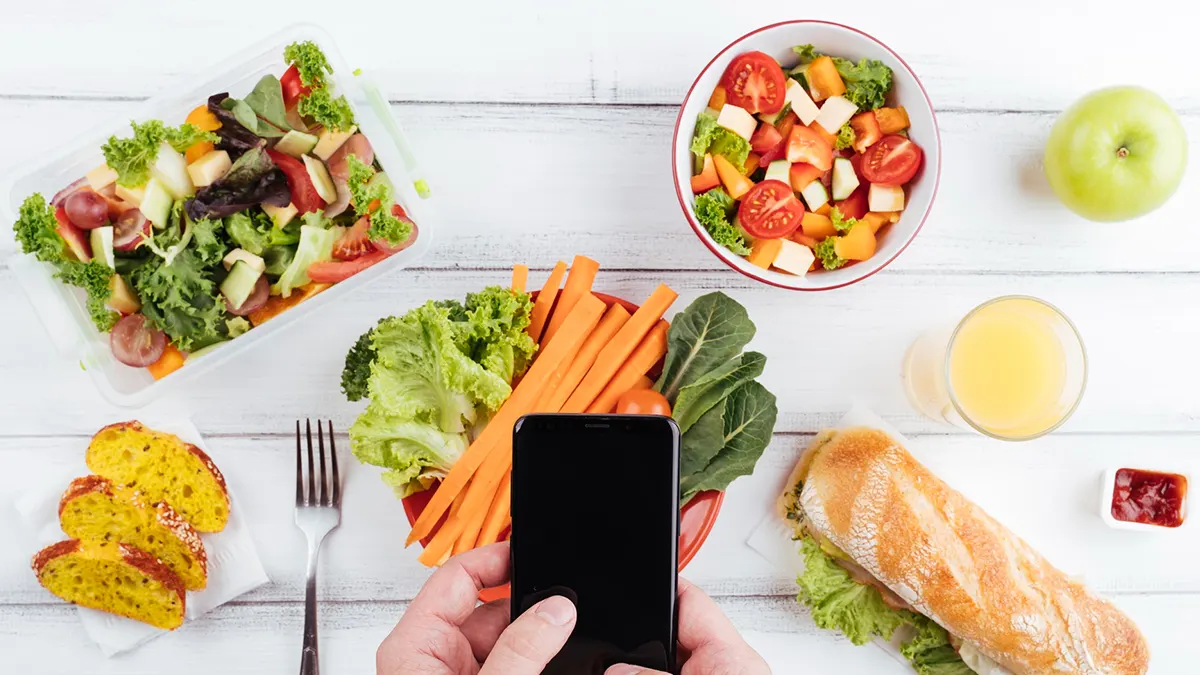
In 2026’s fast-paced world, many people eat while scrolling on phones, watching screens, or rushing through meals. This habit directly affects digestion and weight regulation.
What is mindful eating?
Mindful eating means:
- Eating without distractions
- Chewing food properly
- Noticing hunger and fullness cues
- Eating slowly and intentionally
Health benefits of mindful eating
- Improves digestion
- Reduces overeating
- Helps control emotional eating
- Enhances nutrient absorption
When you eat slowly, your brain gets enough time to register fullness—preventing unnecessary calorie intake.
Smart habit:
Even if you can’t practice mindful eating at every meal, start with one distraction-free meal per day.
3. Balance Your Plate With Protein, Fiber, and Healthy Fats
A smart meal is not about eating less—it’s about eating balanced.
The ideal balanced plate includes:
- Protein: Eggs, fish, chicken, paneer, tofu, lentils
- Fiber: Vegetables, fruits, whole grains, legumes
- Healthy fats: Nuts, seeds, olive oil, ghee (in moderation)
Why balance matters
- Protein helps maintain muscle and keeps you full
- Fiber supports gut health and stable blood sugar
- Healthy fats support brain and hormone function
Meals lacking protein or fiber often cause energy crashes, cravings, and overeating later in the day.
Smart habit:
At every main meal, ask yourself:
“Where is my protein and fiber coming from?”
4. Support Gut Health With Natural, Gut-Friendly Foods
Gut health has become a major health focus—and for good reason. Your gut plays a key role in digestion, immunity, mental health, and nutrient absorption.
Signs of poor gut health
- Frequent bloating or gas
- Constipation or loose stools
- Low immunity
- Fatigue after meals
Gut-friendly foods to include
- Curd or yogurt with live cultures
- Fermented foods (like buttermilk or homemade pickles)
- Fiber-rich vegetables
- Prebiotic foods such as bananas, garlic, and onions
You don’t need supplements unless advised by a doctor. Food-based gut support is often enough.
Smart habit:
Add at least one gut-friendly food daily to your routine.
5. Build Consistency, Not Perfection
Perhaps the most important habit of all is consistency. Many people give up healthy eating because they aim for perfection.
The truth about healthy eating
- One unhealthy meal won’t ruin your health
- One healthy meal won’t fix everything
- Long-term habits matter most
Eating smartly is about what you do most of the time, not occasionally.
Smart habit:
Follow the 80/20 rule:
- Eat healthy 80% of the time
- Enjoy your favorite foods 20% without guilt
This approach reduces stress and makes healthy eating enjoyable and sustainable.
According to the World Health Organization, healthy eating habits play a vital role in preventing lifestyle diseases and improving overall quality of life.
Nutrition experts from Harvard School of Public Health also emphasize balanced meals with protein, fiber, and healthy fats.
Why Smart Eating Habits Are Important in Today’s Lifestyle
Modern lifestyles often include irregular meals, processed foods, and high stress levels. Smart eating habits for health help the body adapt to these challenges by improving digestion, stabilizing blood sugar levels, and supporting immunity naturally. These habits are practical, realistic, and suitable for all age groups.
Common Mistakes to Avoid in 2026
- Skipping meals to “save calories”
- Relying on detox drinks or fad diets
- Over-restricting carbohydrates
- Ignoring hydration
- Copying influencer diets without medical advice
Remember: Your body is unique. What works for others may not work for you.
Final Thoughts: Small Habits, Big Health Transformation
You don’t need extreme diets, expensive supplements, or strict food rules to improve your health in 2026. What you need are smart, realistic eating habits that fit your lifestyle.
Start small:
- Swap one processed food for a whole food
- Eat one meal mindfully
- Add more protein and fiber
- Care for your gut
- Stay consistent, not perfect
Over time, these habits can transform not just your body—but your energy, mood, and overall quality of life.
Healthy eating isn’t about restriction. It’s about nourishment.
Disclaimer
The information provided on Healthy Way Care is intended for general educational and informational purposes only. It should not be considered as medical advice, diagnosis, or treatment.
Always consult a qualified doctor, registered dietitian, or healthcare professional before making any changes to your diet, lifestyle, or health routine, especially if you have a medical condition, are pregnant, or are taking medications.
Healthy Way Care does not guarantee specific health outcomes from the information shared in this article. Individual health needs and responses may vary.