

In today’s world, where refined sugar and artificial sweeteners dominate our diets, many people are looking for healthier, natural alternatives. One such traditional sweetener that has stood the test of time is jaggery. Known as gur in India, jaggery has been used for centuries not only for its rich taste but also for its nutritional value.
This article explores the health benefits of jaggery, its nutritional profile, how it compares to sugar, different forms like jaggery powder and jaggery tea, and safe ways to include it in your daily diet.
Table of Contents
What Is Jaggery?
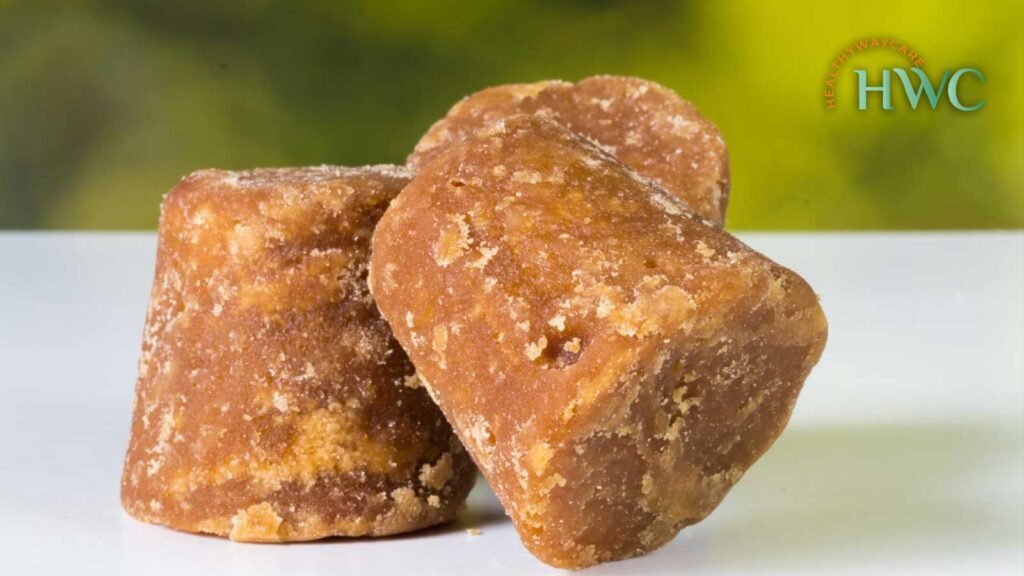
Jaggery is a natural sweetener made by boiling sugarcane juice or palm sap until it thickens and solidifies. Unlike refined sugar, jaggery undergoes minimal processing, allowing it to retain essential minerals and natural compounds present in sugarcane.
Because of this, jaggery is often considered a more wholesome alternative to white sugar.
Nutritional Value of Jaggery
One of the key reasons behind the health benefits of jaggery is its nutrient content.
Approximate Nutritional Value per 100 grams
- Calories: 380 kcal
- Carbohydrates: 97 g
- Natural sugars: 97 g
- Protein: 0.4 g
- Fat: 0.1 g
- Iron: 11–12 mg
- Magnesium: 70 mg
- Potassium: 1000+ mg
- Calcium: 80–90 mg
These nutrients make jaggery more than just a source of sweetness.
Health Benefits of Jaggery
Rich in Antioxidants
Jaggery contains natural antioxidants such as selenium and zinc. These antioxidants help protect the body from oxidative stress caused by free radicals and support overall cellular health.
You may also like reading about other healthy foods in our guide on
avocado health benefits.
A Natural Immunity Booster
Thanks to its mineral and antioxidant content, jaggery supports the immune system. Regular, moderate consumption may help the body stay resilient against seasonal illnesses.
Supports Digestive Health
One of the most well-known health benefits of jaggery is its role in digestion. Traditionally, jaggery is consumed after meals to:
- Stimulate digestive enzymes
- Reduce bloating
- Improve bowel movement
This makes it especially popular in Indian households.
Natural Energy Booster
Unlike refined sugar, which causes sudden energy spikes followed by crashes, jaggery releases energy slowly. This provides sustained energy and helps reduce fatigue, making it a better choice for active individuals.
Supports Respiratory Comfort
In traditional practices, jaggery is often combined with warm water, ginger, or black pepper to support respiratory comfort, especially during cold weather or pollution exposure.
Helps Maintain Blood Pressure Balance
Jaggery contains potassium, which helps balance sodium levels in the body. This supports healthy blood pressure regulation when consumed in moderation.
Promotes Healthy Skin and Hair
The iron, zinc, and antioxidants in jaggery contribute to:
- Healthy skin appearance
- Reduced dryness
- Improved hair strength
While not a beauty treatment, jaggery supports overall nutritional health that reflects on skin and hair.
For more nutrition-rich foods, explore the
health benefits of cauliflower.
Jaggery vs Sugar: Which Is Healthier?
| Aspect | Jaggery | Refined Sugar |
|---|---|---|
| Processing | Minimal | Highly processed |
| Minerals | Rich | Almost none |
| Energy release | Slow | Rapid |
| Nutritional value | Higher | Empty calories |
While jaggery is still a form of sugar and should be consumed carefully, it offers more nutritional benefits than refined sugar.
Health Benefits of Jaggery Powder
Jaggery powder is simply crushed jaggery and retains the same nutritional value.
Benefits include:
- Easy digestion
- Quick energy
- Better mineral intake
- Convenient for daily cooking
It is commonly used in tea, desserts, and traditional dishes.
According to the National Institutes of Health, minerals like iron and potassium play an important role in overall health.
Health Benefits of Jaggery Tea
Jaggery tea is made by replacing sugar with jaggery in tea.
Benefits of jaggery tea:
- Supports digestion
- Provides warmth and comfort
- Supplies minerals instead of empty calories
- Helps reduce refined sugar intake
This makes it a popular alternative during winter months.
Advantages of Eating Jaggery Regularly (in Moderation)
- Provides steady energy
- Supports digestion
- Supplies iron and potassium
- Helps detoxification through improved digestion
- Better alternative to refined sugar
Moderation is key to enjoying these advantages safely.
How to Incorporate Jaggery Into Your Diet
Simple ways to use jaggery:
- Replace sugar with jaggery in tea or coffee
- Use jaggery powder in baking
- Add small pieces after meals
- Use in traditional sweets and curries
Start with small quantities to avoid excess sugar intake.
Side Effects and Precautions
Despite the many health benefits of jaggery, excessive intake may cause problems.
Precautions:
- High calorie content can lead to weight gain
- Can raise blood sugar levels
- Diabetics should consult a doctor
- Should be avoided in very large quantities
Jaggery is healthier than sugar, but it is not sugar-free.
Frequently Asked Questions (FAQs)
Is jaggery suitable for diabetics?
Jaggery can raise blood sugar levels. Diabetics should consume it only after medical advice.
Can jaggery help with weight loss?
Jaggery is not a weight-loss food, but replacing refined sugar with small amounts of jaggery may support healthier eating habits.
Is jaggery better than honey?
Both have benefits. Jaggery provides minerals, while honey offers antioxidants. Choice depends on dietary needs.
How should jaggery be stored?
Store jaggery in an airtight container in a cool, dry place to prevent moisture absorption.
Can jaggery be used in baking?
Yes, jaggery powder can replace sugar in many baking recipes, though taste and color may vary.
Conclusion
Jaggery is more than just a sweetener—it is a traditional, nutrient-rich food that supports digestion, energy levels, immunity, and overall wellness. The health benefits of jaggery make it a better alternative to refined sugar when consumed wisely.
By choosing jaggery in moderation, you can enjoy natural sweetness while supporting a healthier lifestyle.
⚠️ Disclaimer
This article is for informational purposes only and does not replace professional medical advice. Always consult a qualified healthcare provider before making dietary changes, especially if you have diabetes or other medical conditions.