
Cinnamon is more than just a fragrant spice used in kitchens around the world. Known for its warm flavor and aroma, cinnamon has been valued for centuries in traditional food and wellness practices. Today, it continues to gain attention for its nutritional value and potential role in supporting overall health when used as part of a balanced diet.
In this guide, we explore the health benefits of cinnamon, its types, safe usage, and how you can include it in your daily routine.
Table of Contents
What Is Cinnamon?
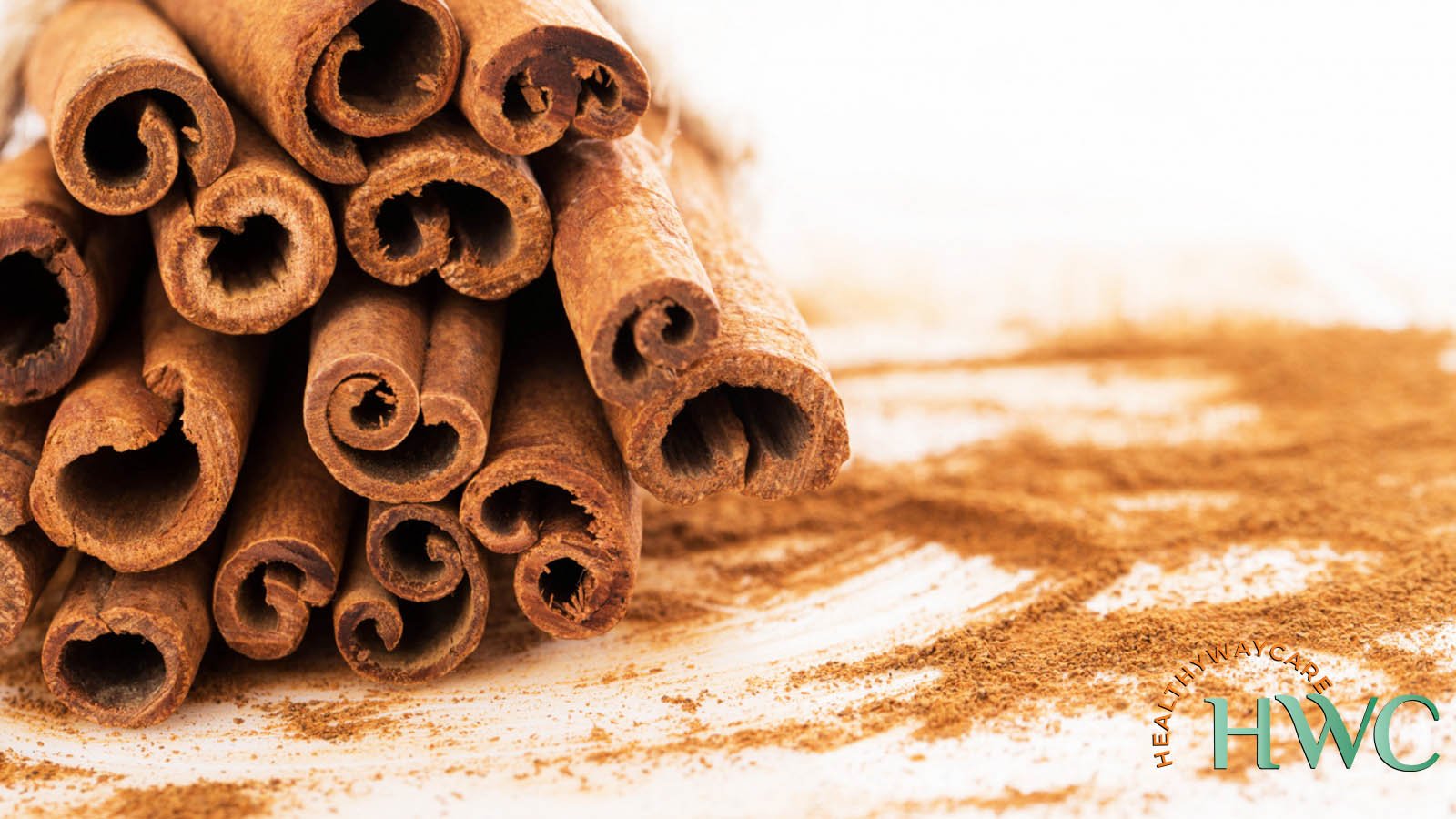
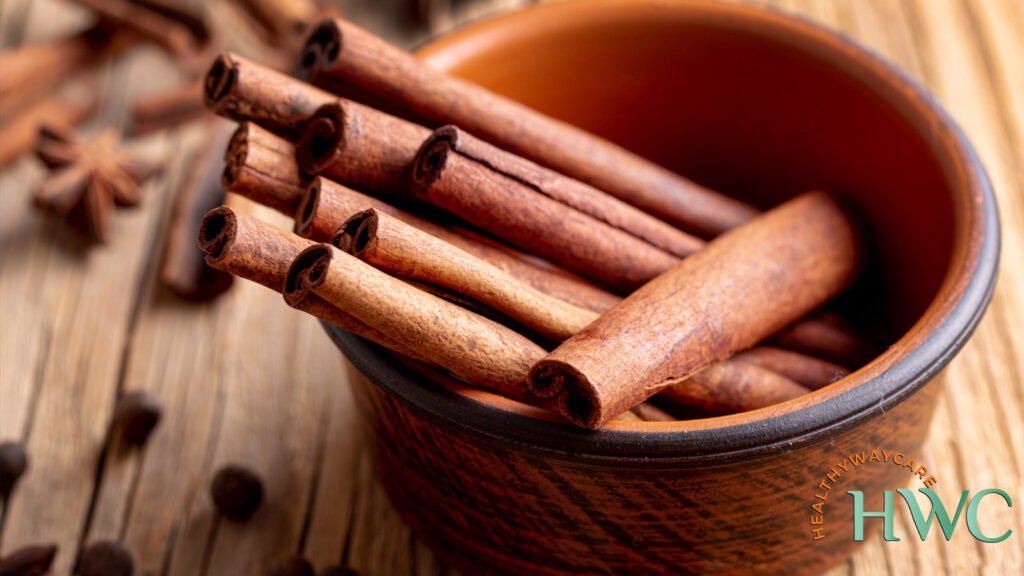
Cinnamon is a spice obtained from the inner bark of trees belonging to the Cinnamomum family. The bark is dried and rolled into sticks or ground into powder. Cinnamon is widely used in cooking, baking, and beverages due to its pleasant taste and aroma.
There are two main types of cinnamon commonly available:
- Ceylon cinnamon (often called “true cinnamon”)
- Cassia cinnamon (more commonly found in stores)
Understanding the difference helps in choosing cinnamon wisely for regular use.
Nutritional Value of Cinnamon
Cinnamon contains small but meaningful amounts of nutrients, including:
- Dietary fiber
- Calcium
- Iron
- Manganese
- Antioxidant compounds
Although cinnamon is usually consumed in small quantities, its antioxidant content contributes to its overall value in a healthy diet.
Health Benefits of Cinnamon
Cinnamon and Blood Sugar Balance
One of the most discussed health benefits of cinnamon is its role in supporting balanced blood sugar levels. Some studies suggest that cinnamon may help improve insulin sensitivity when included as part of a healthy lifestyle. This makes it a popular addition to meals for people focusing on metabolic health.
Cinnamon should always complement, not replace, medical advice or treatment.
To understand how nutrients support overall health, you may also read our detailed guide on
what are vitamins and how they work.
Antioxidant Properties of Cinnamon
Cinnamon is rich in antioxidants such as polyphenols. Antioxidants help protect the body from oxidative stress caused by free radicals, which are linked to aging and long-term health concerns.
Including antioxidant-rich foods supports overall wellness.
Cinnamon and Heart Health
Cinnamon may support heart health by contributing to:
- Healthy cholesterol balance
- Normal blood circulation
- Reduced oxidative stress
When combined with a balanced diet and active lifestyle, cinnamon can be a heart-friendly spice.
Cinnamon and Brain Function
Research suggests that compounds found in cinnamon may support brain health. Antioxidants in cinnamon help protect brain cells from oxidative damage, which plays a role in maintaining cognitive function as we age.
You can also explore other natural foods with antioxidant properties in our article on
health benefits of jaggery.
Anti-Inflammatory Effects of Cinnamon
Inflammation is a natural process, but long-term inflammation may affect overall health. Cinnamon contains natural compounds that may support the body’s normal inflammatory response when consumed in moderation.
Ceylon Cinnamon Benefits
Ceylon cinnamon is often recommended for regular use.
Why Ceylon Cinnamon Is Preferred
- Lower coumarin content
- Gentler on the liver
- Mild, sweet flavor
Coumarin, found in higher amounts in Cassia cinnamon, may cause health issues if consumed excessively over long periods. This is why Ceylon cinnamon is considered a safer option for daily intake.
Cinnamon for Weight Management
Cinnamon is often included in weight-conscious diets due to its flavor and versatility.
How Cinnamon Fits into Weight Management
- Adds sweetness without sugar
- Supports balanced blood sugar levels
- Enhances metabolism-friendly meals
Cinnamon alone does not cause weight loss, but it can support healthy eating habits.
Cinnamon Tea Benefits
Cinnamon tea is a popular and comforting beverage.
Benefits of Cinnamon Tea
- Supports digestion
- Helps maintain hydration
- Provides warmth and relaxation
Drinking cinnamon tea without added sugar is a simple way to enjoy its natural flavor.
According to the National Center for Complementary and Integrative Health, cinnamon has been studied for its potential role in blood sugar balance.
Cinnamon Supplements: Are They Necessary?
Cinnamon is also available in capsule or tablet form.
Pros of Cinnamon Supplements
- Easy to consume
- Measured dosage
- Convenient for people who dislike the taste
However, whole cinnamon used in food and drinks is often sufficient for most people. Supplements should only be taken after consulting a healthcare professional.
How to Choose the Best Cinnamon
When buying cinnamon, consider the following:
- Type: Prefer Ceylon cinnamon for regular use
- Quality: Choose pure, unadulterated cinnamon
- Source: Buy from trusted brands
Avoid products with artificial additives.
Possible Side Effects and Precautions
While cinnamon is generally safe, moderation is important.
Potential Side Effects
- Stomach irritation if consumed in excess
- Allergic reactions in rare cases
- Interaction with blood-thinning medications
Avoid consuming large amounts daily, especially Cassia cinnamon.
How to Use Cinnamon in Daily Life
Simple ways to include cinnamon:
- Sprinkle on fruits or oatmeal
- Add to tea or warm water
- Use in cooking and baking
- Mix into smoothies
Small amounts go a long way.
Frequently Asked Questions (FAQs)
Is cinnamon safe to consume daily?
Yes, in small amounts, especially Ceylon cinnamon.
Which cinnamon is best for health?
Ceylon cinnamon is considered safer for long-term use.
Can cinnamon replace medical treatment?
No. Cinnamon supports wellness but does not replace medical care.
Can cinnamon help with digestion?
Yes, it is traditionally used to support digestive comfort.
Conclusion
Cinnamon is a simple yet powerful spice that offers multiple wellness benefits when used correctly. From supporting blood sugar balance and heart health to adding antioxidant value to your diet, the health benefits of cinnamon make it a valuable addition to everyday meals. Choosing the right type and consuming it in moderation ensures you enjoy its benefits safely.
⚠️ Disclaimer
This content is for informational purposes only and should not be considered medical advice. Always consult a qualified healthcare professional before making dietary or supplement-related changes.