
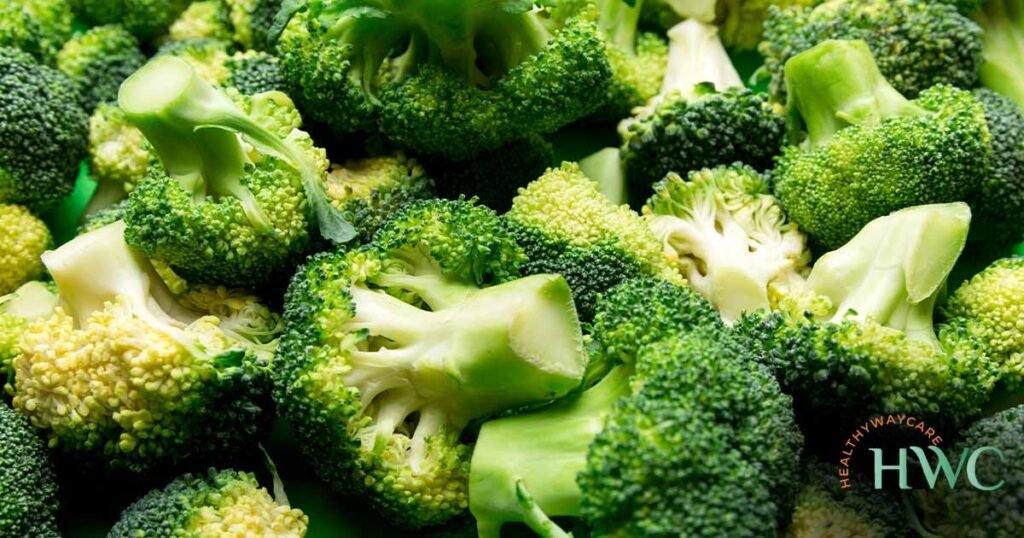
Broccoli health benefits come from its rich antioxidants, fiber, and powerful plant compounds that support immunity, heart health, and disease prevention.
Broccoli is a powerful cruciferous vegetable known for its high antioxidant content and disease-protective properties. Rich in vitamins, fiber, and bioactive compounds, broccoli plays an important role in strengthening immunity, supporting heart health, and reducing the risk of certain cancers.
This article explains broccoli benefits, nutritional value, safe intake, and who should be cautious.
Table of Contents
Broccoli Health Benefits
Nutritional Value of Broccoli
Broccoli is low in calories but extremely rich in essential nutrients.
Key nutrients in broccoli include:
- Vitamin C – boosts immunity
- Vitamin K – supports blood clotting and bone health
- Fiber – improves digestion and cholesterol levels
- Folate – supports cell growth
- Potassium – helps regulate blood pressure
- Sulforaphane – powerful antioxidant and anti-cancer compound
- Calcium – supports bone health
Because of this profile, broccoli is considered a superfood vegetable.
Broccoli Benefits for Immunity
One of the most important broccoli benefits is immune system support.
🛡️ How broccoli strengthens immunity:
- Vitamin C improves white blood cell function
- Antioxidants reduce inflammation
- Supports faster recovery from infections
- Protects immune cells from oxidative damage
Regular broccoli consumption helps maintain a strong immune response.
To understand how nutrients support overall health, read our guide on
what are vitamins and how they work.
Broccoli Health Benefits for Heart Health
Broccoli supports cardiovascular health in multiple ways.
❤️ Heart health benefits:
- Helps lower bad cholesterol (LDL)
- Improves blood vessel function
- Helps control blood pressure
- Reduces oxidative stress linked to heart disease
Fiber and antioxidants in broccoli play a key role in protecting the heart.
You may also explore
spinach health benefits
for more immunity-boosting vegetables.
Broccoli and Cancer Protection
Broccoli belongs to the cruciferous vegetable family, known for cancer-protective compounds.
🧬 Anti-cancer properties:
- Sulforaphane helps detoxify carcinogens
- Reduces oxidative DNA damage
- May slow the growth of cancer cells
- Supports liver detoxification
Regular intake of broccoli is associated with reduced risk of certain cancers, including colon and breast cancer.
Is Broccoli Good for Weight Management?
Yes. Broccoli is:
- Very low in calories
- High in fiber
- Highly filling
This makes broccoli ideal for weight loss and metabolic health.
According to the National Institutes of Health, broccoli contains bioactive compounds that support immune health and reduce the risk of chronic diseases.
Who Should Be Careful with Broccoli?
Despite its benefits, some people should limit broccoli intake.
⚠️ Thyroid Problems
- Broccoli contains goitrogens
- Excess raw intake may interfere with thyroid function
⚠️ Digestive Sensitivity
- May cause bloating or gas if overeaten
⚠️ Blood Thinners
- High vitamin K may interfere with medication
How Much Broccoli Is Safe Per Day?
Recommended intake:
- 1 cup cooked broccoli OR 1–2 cups raw broccoli per day
Light cooking improves nutrient absorption and reduces digestive discomfort.
Best Ways to Eat Broccoli
To maximize broccoli benefits:
✔ Lightly steamed broccoli
✔ Add to stir-fries or soups
✔ Combine with lemon or garlic
✔ Eat cooked rather than raw
❌ Avoid overcooking
❌ Avoid large raw portions daily
One of the main broccoli health benefits is its ability to protect the body from oxidative stress while supporting immunity and heart health.
Side Effects of Excess Broccoli Consumption
- Bloating or gas
- Thyroid interference (rare, excessive raw intake)
- Reduced mineral absorption
Moderation is key.
Frequently Asked Questions (FAQs)
Is broccoli good for immunity?
Yes. Broccoli is rich in vitamin C and antioxidants that support immune health.
Can kidney patients eat broccoli?
Yes, in moderation. Broccoli is lower in potassium compared to many vegetables.
Is broccoli better cooked or raw?
Lightly cooked broccoli is easier to digest and safer for thyroid health.
Can broccoli be eaten daily?
Yes, in moderate amounts.
Conclusion
Broccoli is a nutrient-dense vegetable that supports immunity, heart health, and cancer protection. The broccoli benefits come from its rich antioxidant profile, fiber content, and unique plant compounds like sulforaphane.
When consumed regularly and prepared properly, broccoli can be a valuable part of a healthy diet. Individuals with thyroid issues or digestive sensitivity should consult a healthcare professional before excessive intake.
⚠️ Medical Disclaimer
The information provided in this article is for educational and informational purposes only and should not be considered medical advice. Broccoli benefits discussed here are based on general nutrition research.
This content is not intended to diagnose, treat, cure, or prevent any disease. Always consult a qualified doctor or dietitian before making dietary changes, especially if you have thyroid disorders, digestive issues, or are taking medications.