
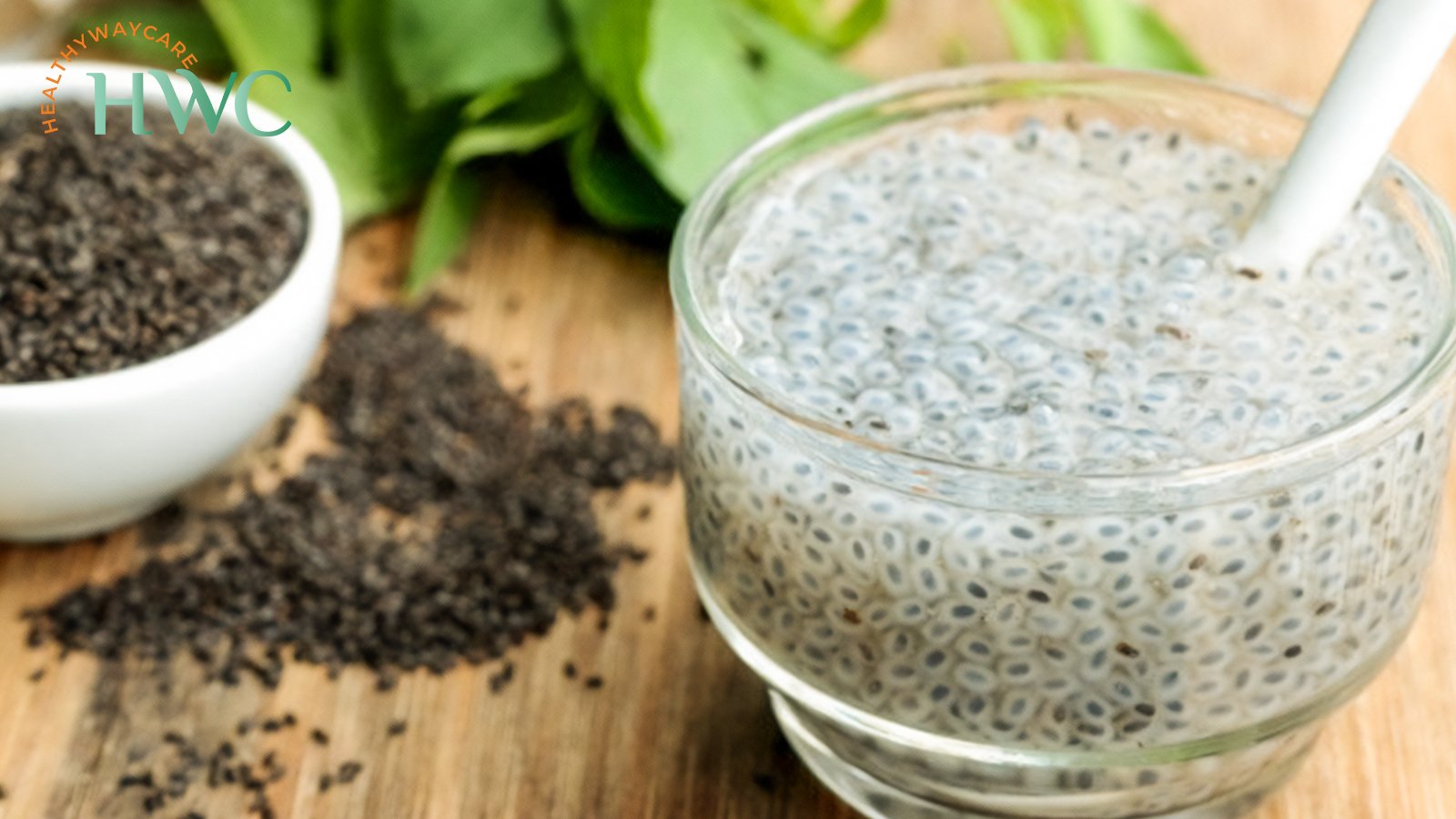
Sabja seeds, also known as sweet basil seeds, are tiny black seeds commonly used in Indian and Southeast Asian cuisine. Though they are often compared to chia seeds, sabja seeds have their own unique nutritional value and health benefits. For centuries, they have been used in traditional wellness practices for digestion, hydration, and overall well-being.
This article explains sabja seeds benefits, nutritional value, how to use them, and precautions for safe consumption.
Table of Contents
What Are Sabja Seeds?
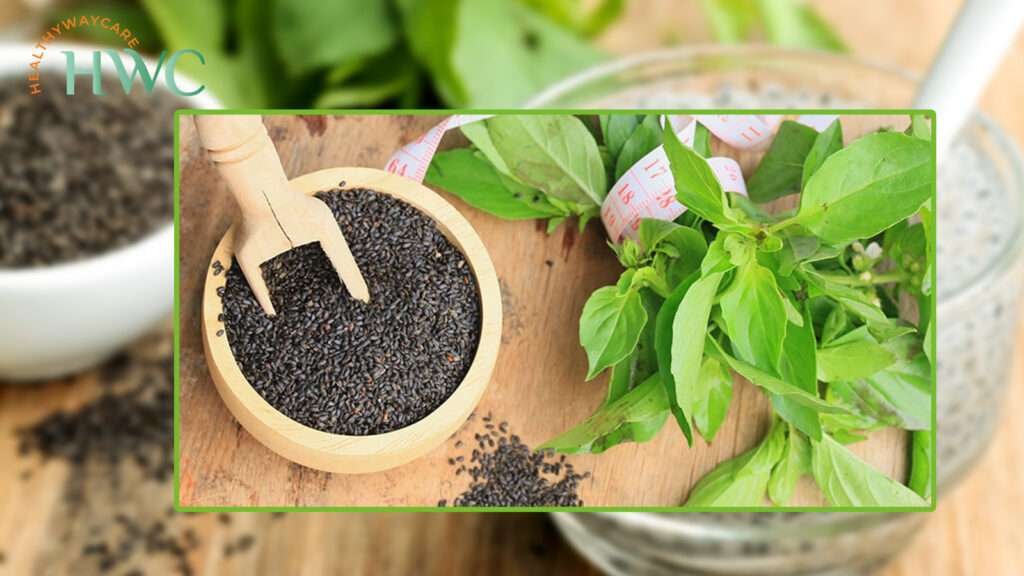
Sabja seeds come from the sweet basil plant (Ocimum basilicum). When soaked in water, these seeds swell and form a gel-like coating, making them easy to digest and suitable for various drinks and recipes.
They are commonly added to sherbets, falooda, smoothies, and desserts.
Nutritional Profile of Sabja Seeds
Sabja seeds are low in calories and rich in essential nutrients such as:
- Dietary fiber
- Plant-based protein
- Omega-3 fatty acids
- Calcium, magnesium, and iron
- Antioxidants
This nutrient combination contributes to the overall sabja seeds benefits for daily health.
Sabja Seeds Benefits for Health
Sabja Seeds Benefits for Weight Management
One of the most popular sabja seeds benefits is support for weight management. Due to their high fiber content, soaked sabja seeds expand in the stomach and promote a feeling of fullness. This may help reduce overeating when included as part of a balanced diet.
Sabja Seeds Benefits for Digestion
Sabja seeds support digestive health by:
- Improving bowel regularity
- Helping relieve constipation
- Supporting gut comfort
Their natural fiber content makes digestion smoother when consumed in moderation.
Including fiber-rich foods is important for overall digestion and wellness. You may also read about
what are vitamins and how they work
to understand how nutrients support daily health.
Sabja Seeds Benefits for Skin Health
Sabja seeds contain antioxidants that help protect the skin from environmental stress. When consumed regularly as part of a healthy diet, they may support clear and healthy-looking skin.
Some people also use soaked sabja seeds externally as a soothing application for mild skin irritation.
Sabja Seeds Benefits for Heart Health
The omega-3 fatty acids present in sabja seeds support overall heart health by helping maintain healthy cholesterol levels when combined with a balanced lifestyle.
Sabja Seeds and Blood Sugar Control
Due to their fiber content, sabja seeds may help slow down the digestion of carbohydrates. This can support steady blood sugar levels when consumed in controlled portions.
People with medical conditions should always consult a healthcare professional before making dietary changes.
You can also explore other natural health foods in our guide on
custard apple nutritional benefits.
Sabja Seeds Benefits for Bone Health
Sabja seeds provide minerals such as calcium and magnesium, which are important for maintaining strong bones. Including mineral-rich foods supports long-term bone health.
Sabja Seeds Benefits for Immunity
Antioxidants in sabja seeds help support the body’s natural defense system. Regular intake of antioxidant-rich foods contributes to overall wellness.
Sabja Seeds for Hydration and Cooling Effect
Sabja seeds are known for their cooling properties and are commonly used in summer drinks. They help maintain hydration and provide a refreshing effect when added to beverages.
How to Use Sabja Seeds
Using sabja seeds is simple:
- Add 1 teaspoon of sabja seeds to a glass of water
- Soak for 15–20 minutes until they swell
- Add to drinks, smoothies, yogurt, or desserts
Always soak sabja seeds before consumption.
According to the National Institutes of Health, dietary fiber plays an important role in digestive health and blood sugar regulation.
Sabja Seeds Recipe Ideas
- Sabja Lemon Drink: Water, lemon juice, soaked sabja seeds
- Smoothies: Add soaked seeds for extra fiber
- Desserts: Mix into puddings or yogurt
These recipes make it easy to enjoy sabja seeds benefits daily.
Precautions and Possible Side Effects
While sabja seeds are generally safe, moderation is important.
- Do not consume dry seeds
- Excess intake may cause bloating
- People with allergies or medical conditions should consult a doctor
Balanced consumption ensures safe benefits.
Frequently Asked Questions (FAQs)
What are sabja seeds called in English?
Sabja seeds are called sweet basil seeds in English.
Can sabja seeds help with weight loss?
They may support fullness and appetite control when included in a healthy diet.
Are sabja seeds safe for daily consumption?
Yes, when soaked and consumed in moderation.
How much sabja seeds can be consumed daily?
Usually 1–2 teaspoons per day is sufficient.
Can sabja seeds be eaten raw?
No. They should always be soaked before consumption.
Conclusion
Sabja seeds are a simple yet nutritious addition to a healthy diet. From supporting digestion and hydration to contributing to heart and bone health, the sabja seeds benefits make them a valuable wellness food. When consumed properly and in moderation, they can support overall health naturally.
⚠️ Disclaimer
This content is for informational purposes only and does not replace professional medical advice. Consult a qualified healthcare provider before making dietary changes, especially if you have existing health conditions.