Being diagnosed with Type 2 diabetes can feel overwhelming at first. Numbers, tests, food rules, and lifestyle advice often arrive all at once—leaving many people feeling anxious rather than empowered. If you’re feeling that way, you’re not alone. Globally, interest in diabetes management is rising fast in 2026, not because people are failing—but because awareness, technology, and personalized care are improving.
This article isn’t about fear or perfection. It’s about realistic, sustainable shifts that many health-conscious adults are making to live well with Type 2 diabetes. Think of this as guidance from a well-informed peer—grounded in medical best practices, but focused on everyday life.
Let’s look beyond the diagnosis and explore five life-changing shifts that can truly make a difference.
Table of Contents
1. Recognizing the Subtle Symptoms Early
One of the biggest challenges with diabetes symptoms is how quietly they can appear. Unlike sudden illnesses, Type 2 diabetes often develops gradually.
Common early signs may include:
- Persistent fatigue even after rest
- Increased thirst or frequent urination
- Blurry vision that comes and goes
- Slow-healing cuts or frequent infections
Many people dismiss these as “normal aging” or work stress. In 2026, there’s growing emphasis on symptom awareness, especially among people with a family history of diabetes or sedentary lifestyles.
Quick Win:
- Keep a simple symptom journal for two weeks and share it with your doctor. Small details matter.
2. The Truth About Insulin Sensitivity
A common misconception is that Type 2 diabetes is only about sugar. In reality, it’s deeply connected to how your body responds to insulin.
In Type 2 diabetes:
- Your body still produces insulin
- Cells become less responsive to it (insulin resistance)
- Blood glucose levels rise as a result
The good news? Insulin sensitivity can improve with consistent habits. Current best practices emphasize:
- Regular movement (even short walks after meals)
- Balanced meals with fiber, protein, and healthy fats
- Quality sleep and stress management
In 2026, experts increasingly focus on daily patterns rather than extreme diets.
Quick Wins for Improving Insulin Sensitivity:
- Walk for 10–15 minutes after major meals
- Add protein and vegetables before carbohydrates
- Maintain consistent sleep and meal timing
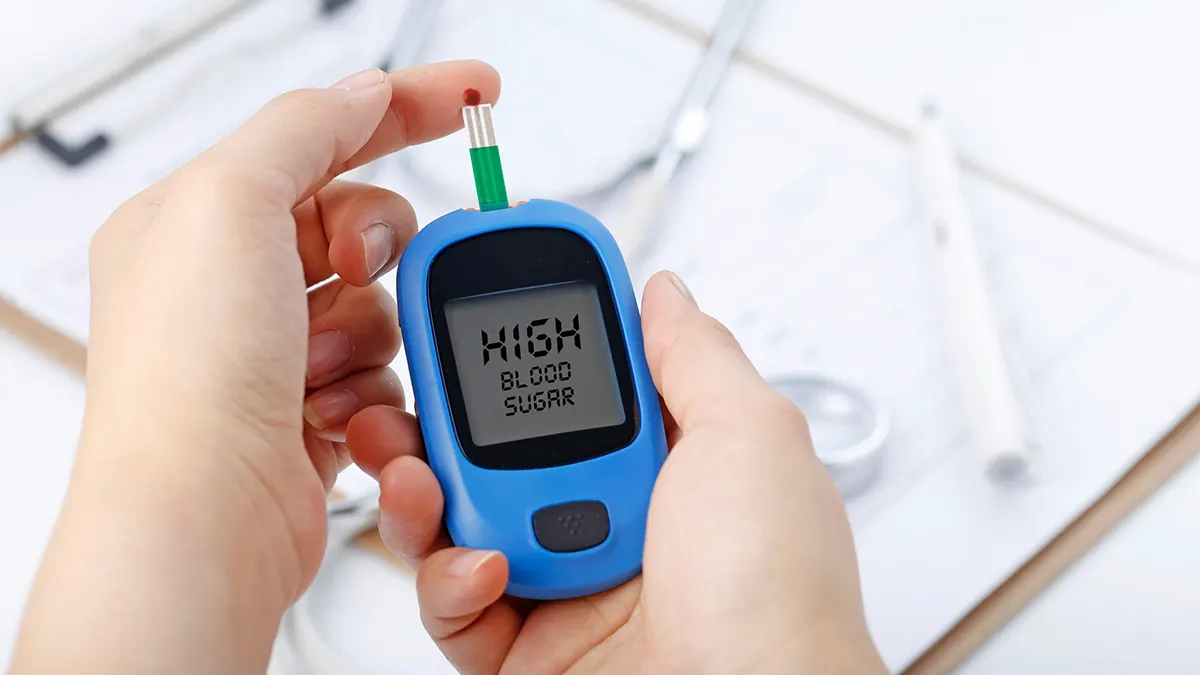
Many people ignore early diabetes symptoms like fatigue and blurred vision until blood sugar levels rise significantly
3. What’s New in 2026: Smarter Monitoring & Personalized Nutrition
One major reason interest in Type 2 diabetes is spiking is innovation. Management today looks very different than it did even five years ago.
Smarter Glucose Monitoring
Continuous glucose monitors (CGMs) and smartwatch integrations now allow people to:
- Track trends instead of isolated readings
- Understand how sleep, stress, and meals affect glucose
- Make informed, real-time adjustments
These tools are increasingly recommended by organizations like the American Diabetes Association as part of personalized care discussions.
Personalized Nutrition
Rather than “one-size-fits-all” diets, nutrition plans are now tailored using:
- Glucose response patterns
- Cultural food preferences
- Lifestyle and work schedules
Mediterranean-style eating patterns—rich in vegetables, whole grains, olive oil, and lean proteins—remain popular because they’re flexible and heart-friendly.
4. Navigating Gestational Diabetes Challenges
Gestational diabetes deserves special attention—not just during pregnancy, but long after delivery.
Many women assume gestational diabetes ends with childbirth. While blood sugar levels often normalize, research shows a higher future risk of Type 2 diabetes.
Key long-term strategies include:
- Post-pregnancy glucose testing as advised
- Maintaining a balanced diet and activity routine
- Regular screening using A1C or fasting glucose tests
Modern A1C tests help track long-term blood sugar trends and are commonly used for follow-up care.
Quick Win:
- Schedule yearly glucose or A1C screening if you’ve had gestational diabetes—even if you feel fine.
5. Understanding the Difference: Type 1 vs Type 2 Diabetes
Clarity reduces fear. Understanding how diabetes types differ helps you advocate for the right care.
| Feature | Type 1 Diabetes | Type 2 Diabetes |
|---|---|---|
| Cause | Autoimmune condition | Insulin resistance + genetics |
| Insulin Production | Little or none | Present, but less effective |
| Onset | Often childhood or teens | Usually adulthood |
| Management | Insulin-dependent | Lifestyle + medications ± insulin |
This distinction matters when discussing treatment plans, medications, and long-term expectations.
Small Shifts, Big Impact
Managing Type 2 diabetes isn’t about being perfect—it’s about being consistent. Most improvements come from small, repeatable actions rather than drastic changes.
More Quick Wins to Try This Month:
- Eat meals at similar times each day
- Focus on hydration before snacking
- Build a routine you can maintain, not one you dread
Checklist for Your Next Doctor’s Visit 📋
Save or share this list—it helps guide meaningful conversations:
- ☐ Ask about your latest A1C and target range
- ☐ Discuss insulin sensitivity and medication options
- ☐ Review glucose patterns, not just single readings
- ☐ Ask if CGMs or digital tools suit your lifestyle
- ☐ Share any history of gestational diabetes
- ☐ Talk about nutrition plans you can realistically follow
According to American Diabetes Association guidelines, personalized care is now a key part of Type 2 diabetes management
Final Thought
In 2026, managing Type 2 diabetes is less about restriction and more about understanding your body. With better tools, smarter nutrition, and compassionate care, life beyond the diagnosis can be active, fulfilling, and balanced.
If this article helped you reframe diabetes management, consider saving it—or sharing it with someone who might need encouragement today.
Author
Written by:
Yamanandan Reddy
Health & Wellness Writer | Digital Marketing Specialist
Disclaimer
This article is for educational and informational purposes only and is not intended as medical advice. It does not replace professional diagnosis, treatment, or consultation. Always seek guidance from a qualified healthcare provider before making changes to your diet, exercise, lifestyle, or medication, especially if you have prediabetes, diabetes, or any other medical condition.
1 thought on “Beyond the Diagnosis: 5 Life-Changing Shifts for Managing Type 2 Diabetes in 2026”